Ghost Ball Python Breeding Pairs: All Possible Outcomes
By HatchLedger Editorial Team · Published 2025-06-10 · Updated Mar 13, 2026
Ghost is a recessive mutation that produces hypomelanistic ball pythons with a distinctive pale, washed-out appearance. It's separate from Hypo despite both reducing melanin, and understanding that distinction is critical for accurate genetics work.
TL;DR
- All pairing outcomes for Ghost can be calculated before putting animals together by understanding the morph's inheritance pattern.
- Recessive genes require het x het pairings to produce visuals, with expected 25% visual odds per clutch.
- Co-dominant pairings with normal animals produce 50% co-dominant offspring; co-dominant x co-dominant produces 25% super form.
- Documenting each animal's confirmed genetic status is what makes het claims valuable to buyers in subsequent generations.
- Using a morph calculator before the season helps set realistic expectations for the number of target animals likely from each clutch.
Ghost Genetics Overview
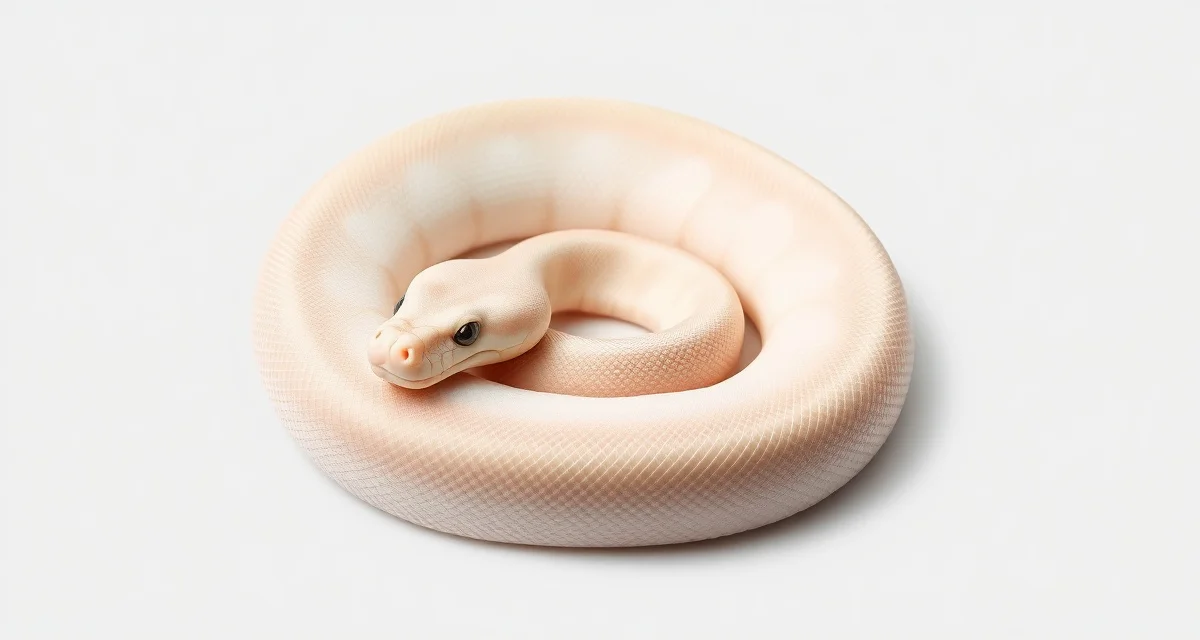
Ghost is a simple autosomal recessive mutation causing hypomelanism, the reduction of dark melanin pigment. Visual Ghosts have a faded, often pastel appearance with reduced dark pattern elements and a lighter overall coloration. Some describe Ghosts as having a "bleached" look.
Ghost is separate from Hypo. Crossing a Ghost with a Hypo does not produce visuals for either gene because they're different mutations at different loci. This is a common source of confusion, and clear documentation is essential.
Het Ghost x Het Ghost Pairings
- 25% Visual Ghost
- 50% Het Ghost (look normal)
- 25% Normal (no Ghost gene)
Standard recessive pairing outcomes.
Visual Ghost x Normal Pairings
- 100% Het Ghost
- 0% Visual Ghosts
All animals are het carriers. Building het stock from a visual Ghost.
Visual Ghost x Het Ghost Pairings
- 50% Visual Ghost
- 50% Het Ghost
Most efficient visual production pairing.
Ghost Combination Animals
Ghost's value in combination lies primarily in its brightening and fading effect on other morphs. Combined with color-enhancing co-dominants, Ghost produces particularly vibrant, clean animals.
Ghost x Pastel: Pastel Ghost is a brighter, cleaner Pastel with reduced dark patterning from the Ghost gene. Very attractive.
Ghost x Enchi: Pattern reduction from both genes in combination with Ghost's general lightening produces exceptionally clean animals.
Ghost x Banana: Banana Ghost animals have enhanced orange-yellow tones with Ghost's characteristic paleness. Distinctive and marketable.
Ghost x Mojave: Produces a faded, lightened Mojave. In further BEL complex pairings, the Ghost reduces the dark elements in the base.
Ghost x Clown (both het Clown): Ghost Clowns are paler and more washed-out than standard Clowns, which some buyers specifically seek.
Ghost x Pied (both het Pied): Ghost Pied females are well-regarded, with the patterned sections showing Ghost's characteristic paleness.
Hypo vs. Ghost: Why Documentation Matters
Both Ghost and Hypo reduce melanin. Visual animals can look similar to an inexperienced eye. Crossing them produces normal-looking animals that are double hets, animals that look normal but carry one copy of each gene.
These double het animals (het Ghost het Hypo) have breeding value because they're the path to producing Ghost Hypo combinations. But that only works if you know what genes they carry. If a seller miscategorized a Ghost as a Hypo or vice versa, the buyer may spend a season trying to produce visuals that won't appear.
Label every Ghost and Hypo specifically in HatchLedger. The ball python morph calculator handles Ghost pairing genetics and multi-gene combinations including Ghost x Hypo cross outcomes.
Frequently Asked Questions
What are the possible outcomes from Ghost ball python breeding pairs?
Het x Het produces 25% visual Ghost, 50% het Ghost, and 25% normal. Visual x Normal produces 100% het Ghost. Visual x Het produces 50% visual Ghost and 50% het Ghost. Ghost x Hypo produces 100% visually normal double hets.
How do professional breeders differentiate Ghost from Hypo in their records?
They document the specific gene confirmed by parentage or genetic testing, clearly label each animal as Ghost or Hypo, and communicate the exact gene to buyers, especially when animals have been cross-bred and may carry both genes.
What software helps manage Ghost ball python genetics records?
HatchLedger is purpose-built for reptile breeders, connecting animal records, breeding history, clutch outcomes, and financial tracking in one system. Unlike generic spreadsheets, it's designed around the specific workflow of an active breeding season. Free for up to 20 animals.
What is the fastest pairing route to produce visual Ghost ball pythons?
The fastest route depends on what stock you already have. If you have a visual Ghost, pairing it with a het (or a normal for co-dominant genes) produces visuals immediately. If you are starting from hets, a het x het pairing gives 25% visual odds per clutch. Building het stock first from a visual x normal pairing before running het x het is slower but produces cleaner, more documentable genetics.
How should possible het Ghost animals be priced?
Possible het animals are priced as a percentage of confirmed het pricing, proportional to their probability. A 66% possible het from a het x het pairing typically prices at 40-60% of confirmed het value. Animals that have been proven by producing visual offspring upgrade to confirmed het status and can command full het pricing in subsequent sales.
What is Ghost Ball Python Breeding Pairs: All Possible Outcomes?
Ghost Ball Python Breeding Pairs: All Possible Outcomes is a genetics reference guide covering every pairing combination involving the Ghost morph — a recessive mutation that produces hypomelanistic ball pythons with a pale, washed-out appearance. It explains inheritance patterns, expected clutch ratios, and how Ghost interacts with other morphs, helping breeders plan pairings and set realistic expectations before the breeding season begins.
How much does Ghost Ball Python Breeding Pairs: All Possible Outcomes cost?
This is a free educational article on HatchLedger. There is no cost to access the breeding pair outcomes, genetics breakdowns, or pairing calculators referenced within it. HatchLedger provides this information as a resource for ball python breeders at all experience levels.
How does Ghost Ball Python Breeding Pairs: All Possible Outcomes work?
Ghost follows simple autosomal recessive inheritance. Both parents must carry at least one copy of the gene, and two het parents produce 25% visual Ghosts per clutch on average. The article walks through each pairing type — visual to normal, het to het, visual to het, and combos with other morphs — showing the statistical probability of each genetic outcome.
What are the benefits of Ghost Ball Python Breeding Pairs: All Possible Outcomes?
Understanding Ghost genetics lets breeders predict clutch outcomes before pairing animals, avoid wasted seasons from incompatible pairings, and produce accurate het documentation that increases offspring value. It also prevents common mistakes like assuming Ghost and Hypo are the same gene, which leads to misrepresented animals and frustrated buyers.
Who needs Ghost Ball Python Breeding Pairs: All Possible Outcomes?
This guide is most useful for ball python breeders working with Ghost animals or planning to add the gene to a collection. It's equally valuable for buyers evaluating het claims, hobbyists learning recessive inheritance basics, and experienced breeders adding Ghost combos to existing projects who need a reliable outcome reference.
How long does Ghost Ball Python Breeding Pairs: All Possible Outcomes take?
Planning a Ghost pairing takes minutes using a morph calculator, but the breeding season itself spans several months — from initial pairings through incubation to hatch. Recessive visual animals typically appear in roughly 25% of a het x het clutch, so breeders should factor in multiple clutch cycles to reliably produce target animals at expected ratios.
Related Articles
- Bamboo Ball Python Breeding Pairs: All Possible Outcomes
- Banana Ball Python Breeding Pairs: All Possible Outcomes
Sources
- World of Ball Pythons (WoBP genetics reference database)
- USARK (United States Association of Reptile Keepers)
- Association of Reptilian and Amphibian Veterinarians (ARAV)
- MorphMarket (reptile industry marketplace and pricing data)
- Ball Python community breeding records
Get Started with HatchLedger
Tracking Ghost pairing outcomes, het status, and proving records across multiple seasons is where most breeders run into documentation gaps. HatchLedger connects each animal's genetic record to its clutch of origin and parent history, so your het claims are always backed by traceable data. Try it free with up to 20 animals.