Desert Ghost Pastel Ball Python: Breeding Odds, Pairings and Market Value
By HatchLedger Editorial Team · Published 2025-02-03 · Updated Mar 13, 2026
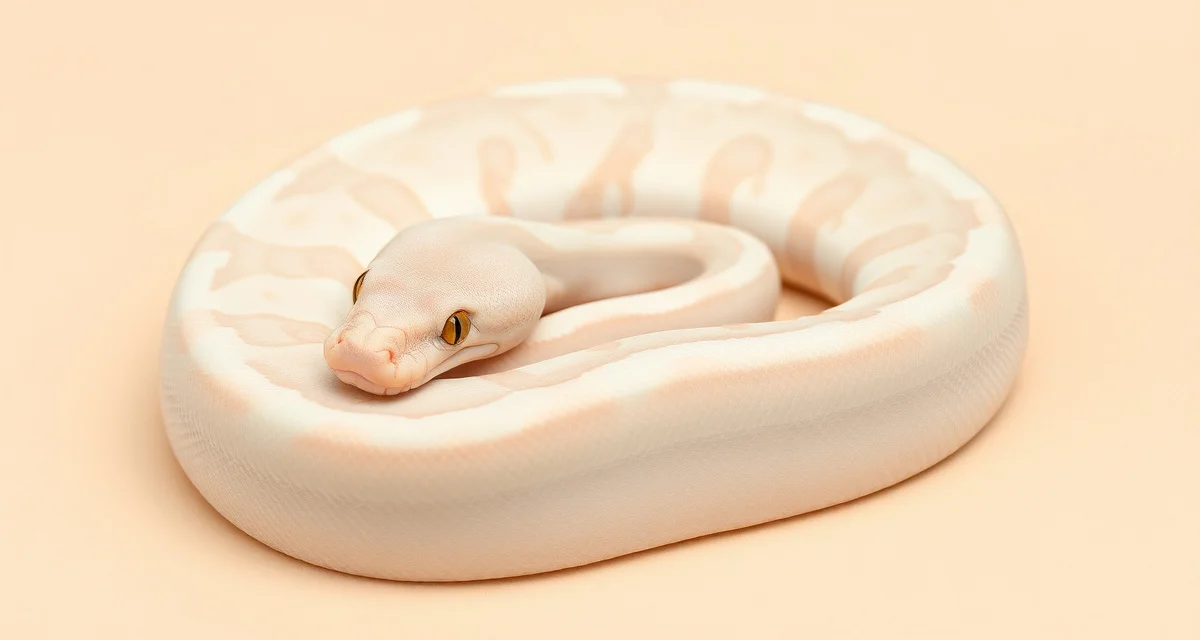
The desert ghost pastel ball python is a combination that produces animals with a dramatically aged, washed-out appearance that gets more striking as the animal matures. Desert ghost is a gene that enhances with age, babies are interesting, but adults are genuinely remarkable, developing an almost bleached, high-contrast look that photographs beautifully. Stack that with pastel's brightening effect and you get a combination that rewards patient breeders.
TL;DR
- The Desert Ghost combination requires careful planning across multiple genetic lines before visual animals can be produced.
- Recessive genes in any combination require both parents to carry the gene, making genetics guide the foundation of a successful project.
- Multi-recessive projects typically take 2-4 seasons from acquiring het stock before producing the target combination visual.
- Co-dominant genes in combinations show in single copy, allowing you to confirm the gene visually before selling or retaining animals.
- Documenting parentage for every animal in a multi-gene project is the only reliable way to maintain accurate het claims across generations.
Breeders using integrated software report 30% less time on administrative tasks, which matters in projects that evolve visually over time and require sustained documentation.
What Desert Ghost Actually Does
Desert ghost (DG) is a recessive gene, that's the first thing to understand. It's not codominant. This means desert ghost pastel projects carry a recessive gene alongside a codominant gene, and your planning needs to account for the het carriers in every clutch.
The aging effect of desert ghost is genuinely unusual in ball python breeding. Hatchlings show mild expression, but animals at 1-2 years old look dramatically different from animals at 6 months. If you're evaluating or selling desert ghost animals at hatch, know that photos at 12-18 months will be far more impressive.
How to Breed Desert Ghost Pastel Ball Pythons
Step 1: Understand Your Genetics
Desert ghost is recessive. That means to produce visual desert ghost pastel animals, both parents need to carry at least one copy of desert ghost. Map your project starting point:
- Visual DG Pastel x Visual DG Pastel, produces all visual DG animals, various pastel combinations
- Visual DG Pastel x DG Pastel het DG, not standard (DG is recessive, so this framing needs adjustment)
- Actually: Pastel het DG x Pastel het DG, produces 25% visual DG animals, 25% visual DG pastels, etc.
Use the ball python morph calculator to map your full clutch outcomes.
Step 2: Plan Your Production Strategy
If you have visual desert ghost animals, pair to pastels carrying het DG for the cleanest clutch compositions. If you're starting with het DG animals, pair het DG pastel to het DG pastel for access to all visual DG outcomes.
The key value targets are visual desert ghost pastels and super pastels carrying desert ghost, animals that combine the aging color effect with additional codominant enhancement.
Step 3: Condition Breeding Animals
Females to 1,500g+. Heavy feeding through summer and fall. Temperature drop in October or November. Desert ghost animals are typically good feeders. Log every weight and feeding, documentation supports het animal sales.
Step 4: Introduce and Track Pairings
Evening introductions. Log every introduction and lock. Reintroduce weekly through breeding season.
In a recessive project, pairing documentation is non-negotiable. Your records are the proof of het status.
Step 5: Track Ovulation
Log ovulation immediately. Pre-lay shed at 30 days. Egg laying at 16-18 days post-shed.
Step 6: Incubate
Eggs at 88-90°F, high humidity. Average clutch: 4-8 eggs. Mark containers with full pairing data. Hatch window: 54-60 days.
Step 7: Process and Identify Hatchlings
Visual desert ghost hatchlings show the gene at hatch but may look mild compared to adult expression. Know what to look for. Hets look like pastels or normals. Sex everything before pricing.
Document morph ID, sex, hatch weight, and first feeding for every animal. For desert ghost animals specifically, note when they're sold that mature photos will look dramatically better.
What Desert Ghost Pastel Ball Pythons Sell For
| Animal | Typical Range |
|--------|--------------|
| Pastel het DG | $150 - $300 |
| Visual DG | $300 - $600 |
| Desert Ghost Pastel | $500 - $1,000 |
| Desert Ghost Super Pastel | $800 - $1,500+ |
| Females | Premium +30-50% |
Desert ghost pastel animals often sell for more at maturity than at hatch. If you can raise them out 6-12 months before selling, you'll get better prices. Adult photos dramatically outperform hatchling photos for this gene.
Common Mistakes in Desert Ghost Pastel Projects
Selling desert ghost animals too young. The gene's best visual expression comes with age. If you sell babies and include adult reference photos, you can often achieve better pricing than selling based on hatchling appearance alone.
Not documenting het status properly. Desert ghost is recessive, het animals need documented provenance to sell well. Maintain your pairing records.
Not communicating the aging effect to buyers. Buyers who don't know the gene may be underwhelmed at hatch. Set expectations properly and share adult photos in your listings.
Ignoring clutch financials. The ball python breeding hub covers why tracking production costs matters even in projects with delayed visual payoff.
What is the best approach to desert ghost pastel ball python?
Start with documented het DG animals from verified pairings, plan your project with clear timelines, and communicate the aging effect clearly in your marketing. Desert ghost pastels are best sold with adult reference photos alongside hatchling photos. Raise animals for 6-12 months if possible before listing for the best return.
How do professional breeders handle desert ghost pastel ball python?
Professional breeders working DG pastel projects maintain complete documentation for every animal, communicate the aging effect clearly to buyers, and often raise animals out longer than other morphs to achieve better pricing. They track project costs carefully because the longer holding periods increase per-animal costs before sale.
What software helps manage desert ghost pastel ball python?
HatchLedger connects breeding records to clutch P&L including holding cost tracking, so you can evaluate whether holding desert ghost animals longer actually improves your financial return per animal. For projects where timing the sale matters, integrated financial data is essential.
Related Articles
- Black Pastel Pied Ball Python: Breeding Odds, Pairings and Market Value
- Cinnamon Pastel Ball Python: Breeding Odds, Pairings and Market Value
FAQ
What is Desert Ghost Pastel Ball Python: Breeding Odds, Pairings and Market Value?
The Desert Ghost Pastel Ball Python is a two-gene combination morph blending the recessive desert ghost gene with the co-dominant pastel gene. Desert ghost produces a washed-out, aged appearance that intensifies dramatically as the animal matures, while pastel brightens and enhances yellows and contrast. Together, they create a visually striking animal that evolves over time, making it a favorite among breeders who appreciate morphs that improve with age rather than peaking as hatchlings.
How much does Desert Ghost Pastel Ball Python: Breeding Odds, Pairings and Market Value cost?
Desert Ghost Pastel Ball Pythons typically sell for $150–$400 depending on gender, lineage, and visual quality. Females command higher prices due to breeding potential. Animals from proven, well-documented het lines carry a premium. Hatchlings with strong contrast and clean pattern command top dollar. As the combination becomes more established in the hobby, prices have stabilized, though high-quality adults with fully expressed desert ghost characteristics can still fetch significantly more from discerning buyers.
How does Desert Ghost Pastel Ball Python: Breeding Odds, Pairings and Market Value work?
Desert ghost is a recessive gene, meaning both parents must carry at least one copy to produce visual desert ghost offspring. Pastel is co-dominant, visible in a single copy. To produce Desert Ghost Pastels, breeders typically pair visual or het desert ghost animals carrying pastel. The pastel gene brightens the already washed palette of desert ghost, amplifying contrast and yellow tones. Offspring odds depend on parental genetics, with het-to-het pairings yielding 25% visual desert ghost animals statistically.
What are the benefits of Desert Ghost Pastel Ball Python: Breeding Odds, Pairings and Market Value?
The primary benefit is a morph that genuinely improves with age. Desert ghost's bleaching effect develops over years, meaning adults are far more impressive than hatchlings, giving breeders a long-term visual payoff. Pastel adds immediate brightness and marketability at the hatchling stage. The combination photographs exceptionally well, supporting strong resale appeal. For project breeders, producing this combo from het lines also generates valuable het offspring that are themselves sellable, helping offset the multi-season investment required.
Who needs Desert Ghost Pastel Ball Python: Breeding Odds, Pairings and Market Value?
This morph suits intermediate to experienced ball python breeders comfortable managing multi-generational recessive projects. Breeders who enjoy watching morphs develop over time rather than seeking instant visual gratification are ideal candidates. It also appeals to those building long-term breeding programs, since het desert ghost animals are a necessary foundation. Collectors focused on high-photography, visually evolving animals will find the Desert Ghost Pastel particularly rewarding. It is less suited to beginners looking for quick single-season results.
How long does Desert Ghost Pastel Ball Python: Breeding Odds, Pairings and Market Value take?
From acquiring foundational het stock, expect 2–4 breeding seasons before producing visual Desert Ghost Pastel animals. Season one typically involves pairing hets to confirm genetics and produce more hets or potential visuals. Desert ghost's visual payoff extends further, as the full expression of the gene's bleaching effect can take 3–5 years post-hatch to fully develop. Breeders should plan for a multi-year commitment, both genetically and in terms of growing out animals to see their true adult potential.
What should I look for when choosing Desert Ghost Pastel Ball Python: Breeding Odds, Pairings and Market Value?
Prioritize animals with verified, documented parentage, especially for het desert ghost claims since the gene is recessive and unverifiable without test breeding or proven lineage. Look for clean pastel expression, strong contrast, and a yellowed base even at the hatchling stage. Buy from breeders who maintain detailed records across generations. Females are more valuable for breeding programs. Avoid animals with vague or unverified het claims. Using breeding management software or well-kept logs is a sign of a reputable, serious seller.
Is Desert Ghost Pastel Ball Python: Breeding Odds, Pairings and Market Value worth it?
Yes, for patient breeders with a multi-season outlook. The Desert Ghost Pastel rewards commitment, producing animals that mature into genuinely stunning adults with high photographic and market appeal. While the timeline is longer than single-gene or co-dominant-only projects, the combination generates valuable het offspring along the way, helping sustain the project financially. If you appreciate morphs that evolve visually and are willing to document genetics carefully, this combination offers strong long-term returns both aesthetically and as a breeding asset.
Sources
- USARK (United States Association of Reptile Keepers)
- Association of Reptilian and Amphibian Veterinarians (ARAV)
- MorphMarket (reptile industry market reference)
- World of Ball Pythons (WoBP genetics reference database)
- Reptiles Magazine (Bowtie Inc.)
Track Your Desert Ghost Pastel Project in HatchLedger
Get Started with HatchLedger
Building a Desert Ghost project across multiple seasons means tracking genetics, parentage, and clutch outcomes that compound in complexity year over year. HatchLedger connects all of that data in one system so your project documentation stays accurate from first pairing through final sale. Try it free with up to 20 animals.