Spotnose Ball Python Breeding Pairs: All Possible Outcomes
By HatchLedger Editorial Team · Published 2025-05-23 · Updated Mar 13, 2026
Spotnose is a co-dominant morph best known for producing the Powerball when combined with Leopard. As a standalone gene, it produces distinctive head patterning. As a project gene, it's a pathway to one of the hobby's more unique super-form outcomes.
TL;DR
- All pairing outcomes for Spotnose can be calculated before putting animals together by understanding the morph's inheritance pattern.
- Recessive genes require het x het pairings to produce visuals, with expected 25% visual odds per clutch.
- Co-dominant pairings with normal animals produce 50% co-dominant offspring; co-dominant x co-dominant produces 25% super form.
- Documenting each animal's confirmed genetic status is what makes het claims valuable to buyers in subsequent generations.
- Using a morph calculator before the season helps set realistic expectations for the number of target animals likely from each clutch.
Spotnose Genetics Overview
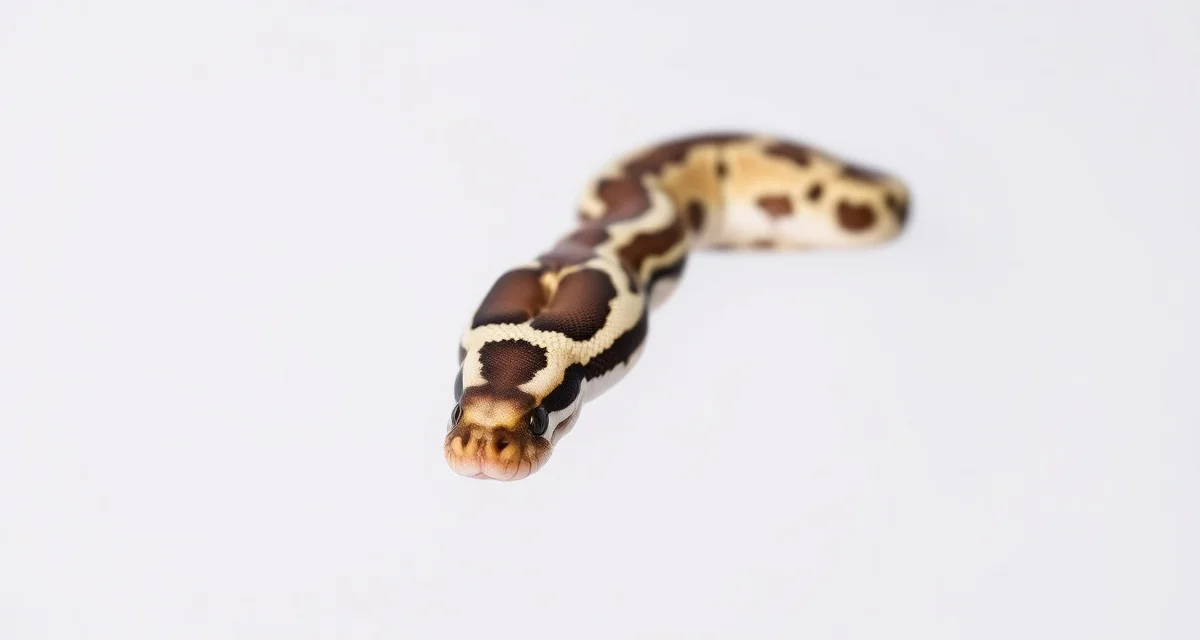
Spotnose is a co-dominant mutation that primarily affects head patterning, producing a spotted or disrupted head pattern compared to the standard ball python head design. Single-copy Spotnose animals show this head alteration. The super form shows more pronounced patterning changes.
Spotnose is in the same complex as Leopard. Their interaction produces the Powerball at 25% from Spotnose x Leopard pairings.
Spotnose x Normal Pairings
- 50% Spotnose
- 50% Normal
Half your clutch shows the Spotnose head patterning change.
Spotnose x Spotnose Pairings (Super Spotnose)
- 25% Super Spotnose
- 50% Spotnose
- 25% Normal
Super Spotnoses show more pronounced pattern alteration than single-copy animals.
Spotnose x Leopard = Powerball
This is the combination that makes Spotnose uniquely valuable:
- 25% Powerball (Spotnose/Leopard complex super)
- 25% Spotnose
- 25% Leopard
- 25% Normal
The Powerball has distinctive pattern expression from the complex interaction of Spotnose and Leopard. It's a sought-after combination for buyers who want something visually different from standard co-dom combinations.
Popular Spotnose Combinations
Spotnose x Pastel: Enhances color while adding Spotnose's head pattern alteration.
Spotnose x Enchi: Pattern reduction and head pattern alteration together create clean-looking animals.
Spotnose x Banana: Vibrant orange-yellow coloration with Spotnose's head pattern. Marketable and visually distinctive.
Spotnose x GHI: Dark tones with head pattern alteration. Interesting combination.
Spotnose x Clown (both het Clown): Spotnose Clowns show the Clown body pattern with Spotnose's head alteration on top. Distinctive double pattern-gene combination.
Spotnose x Pied (both het Pied): Piebald Spotnose animals show both the white base from Pied and Spotnose's head patterning changes.
Super Spotnose Production Strategy
Super Spotnoses make efficient breeders: paired with a normal, every offspring carries Spotnose. Paired with a Leopard, every offspring carries either Spotnose or Leopard, with 50% Powerballs from the surviving animals. Using Super Spotnose to stack the gene into combination animals quickly is a legitimate strategy.
The Powerball Market Niche
Powerball animals fill a specific niche. Buyers who are looking for pattern-altered animals beyond the standard recessive gene combos find Powerballs interesting. They're accessible to produce (requiring only Spotnose x Leopard parents) and visually distinct from most of what's available.
If you have both Spotnose and Leopard in your collection, running Spotnose x Leopard pairings to produce Powerballs is worth the effort.
Track all Spotnose and Leopard genetics in HatchLedger. The ball python morph calculator handles Spotnose x Leopard interactions and Powerball production percentages.
Frequently Asked Questions
What are the possible outcomes from Spotnose ball python breeding pairs?
Spotnose x Normal produces 50% Spotnose and 50% Normal. Spotnose x Spotnose produces 25% Super Spotnose, 50% Spotnose, and 25% Normal. Spotnose x Leopard produces 25% Powerball, 25% Spotnose, 25% Leopard, and 25% Normal.
How do professional breeders use Spotnose in their programs?
They specifically run Spotnose x Leopard pairings to produce Powerballs as a market-differentiated product, use Spotnose as a head-pattern enhancer in other combination animals, and track Powerball production as a distinct clutch outcome category.
What software helps manage Spotnose ball python genetics and Powerball tracking?
HatchLedger is purpose-built for reptile breeders, connecting animal records, breeding history, clutch outcomes, and financial tracking in one system. Unlike generic spreadsheets, it's designed around the specific workflow of an active breeding season. Free for up to 20 animals.
What is the fastest pairing route to produce visual Spotnose ball pythons?
The fastest route depends on what stock you already have. If you have a visual Spotnose, pairing it with a het (or a normal for co-dominant genes) produces visuals immediately. If you are starting from hets, a het x het pairing gives 25% visual odds per clutch. Building het stock first from a visual x normal pairing before running het x het is slower but produces cleaner, more documentable genetics.
How should possible het Spotnose animals be priced?
Possible het animals are priced as a percentage of confirmed het pricing, proportional to their probability. A 66% possible het from a het x het pairing typically prices at 40-60% of confirmed het value. Animals that have been proven by producing visual offspring upgrade to confirmed het status and can command full het pricing in subsequent sales.
What is Spotnose Ball Python Breeding Pairs: All Possible Outcomes?
Spotnose Ball Python Breeding Pairs: All Possible Outcomes is a breeding reference guide covering every genetic result you can expect when pairing a Spotnose ball python with other morphs or normals. It explains the co-dominant inheritance pattern of the Spotnose gene, outlines clutch odds for single-copy and super-form offspring, and highlights key combos like the Powerball produced through Spotnose x Leopard pairings. It's designed to help breeders plan projects with accurate expectations before the season starts.
How much does Spotnose Ball Python Breeding Pairs: All Possible Outcomes cost?
The guide itself is free to read on HatchLedger. The real cost consideration is the animals involved in your breeding project. Spotnose ball pythons vary widely in price depending on additional genes they carry, typically ranging from $100 for a clean single-gene animal to several hundred dollars or more for multi-gene combos. Super Spotnose animals and Powerball-producing pairs generally command a premium due to their rarity and project value.
How does Spotnose Ball Python Breeding Pairs: All Possible Outcomes work?
Spotnose follows co-dominant inheritance, meaning one copy of the gene produces a visually distinct animal and two copies produce the super form. Pairing a Spotnose to a normal yields roughly 50% Spotnose offspring and 50% normals. Pairing two Spotnose animals together produces approximately 25% Super Spotnose, 50% single-gene Spotnose, and 25% normals. When Spotnose is paired with Leopard, 25% of offspring are expected to be Powerballs due to the two genes sharing a complex.
What are the benefits of Spotnose Ball Python Breeding Pairs: All Possible Outcomes?
Using this guide helps breeders avoid costly mistakes by setting accurate clutch expectations before pairing animals. Understanding the 50/25 odds of co-dominant pairings lets you estimate how many target animals a single clutch is likely to produce. It also supports better record-keeping practices, since documenting confirmed genetic status adds real value when selling offspring. For projects targeting the Powerball, knowing the Spotnose-Leopard complex interaction is essential to structuring an efficient multi-generation plan.
Who needs Spotnose Ball Python Breeding Pairs: All Possible Outcomes?
This guide is most useful for ball python breeders actively working with Spotnose or planning to add it to their collection. It's equally relevant to hobbyists breeding their first co-dominant pairing and experienced breeders building multi-gene Powerball projects. Buyers researching Spotnose animals before a purchase will also benefit from understanding what het claims mean, how super forms differ visually, and why confirmed genetic documentation matters when evaluating animals from a breeder.
How long does Spotnose Ball Python Breeding Pairs: All Possible Outcomes take?
Ball python incubation typically runs 55 to 60 days, so from a successful lock to hatching you're looking at roughly two months. The broader breeding season, including conditioning, cycling, and getting confirmed locks, generally spans several months from late fall through spring. Planning your Spotnose pairings in advance using a morph calculator means you enter the season knowing your expected odds, which makes the wait more productive and helps you market offspring accurately before they hatch.
Related Articles
- Banana Ball Python Breeding Pairs: All Possible Outcomes
- Black Magic Ball Python Breeding Pairs: All Possible Outcomes
Sources
- World of Ball Pythons (WoBP genetics reference database)
- USARK (United States Association of Reptile Keepers)
- Association of Reptilian and Amphibian Veterinarians (ARAV)
- MorphMarket (reptile industry marketplace and pricing data)
- Ball Python community breeding records
Get Started with HatchLedger
Tracking Spotnose pairing outcomes, het status, and proving records across multiple seasons is where most breeders run into documentation gaps. HatchLedger connects each animal's genetic record to its clutch of origin and parent history, so your het claims are always backed by traceable data. Try it free with up to 20 animals.