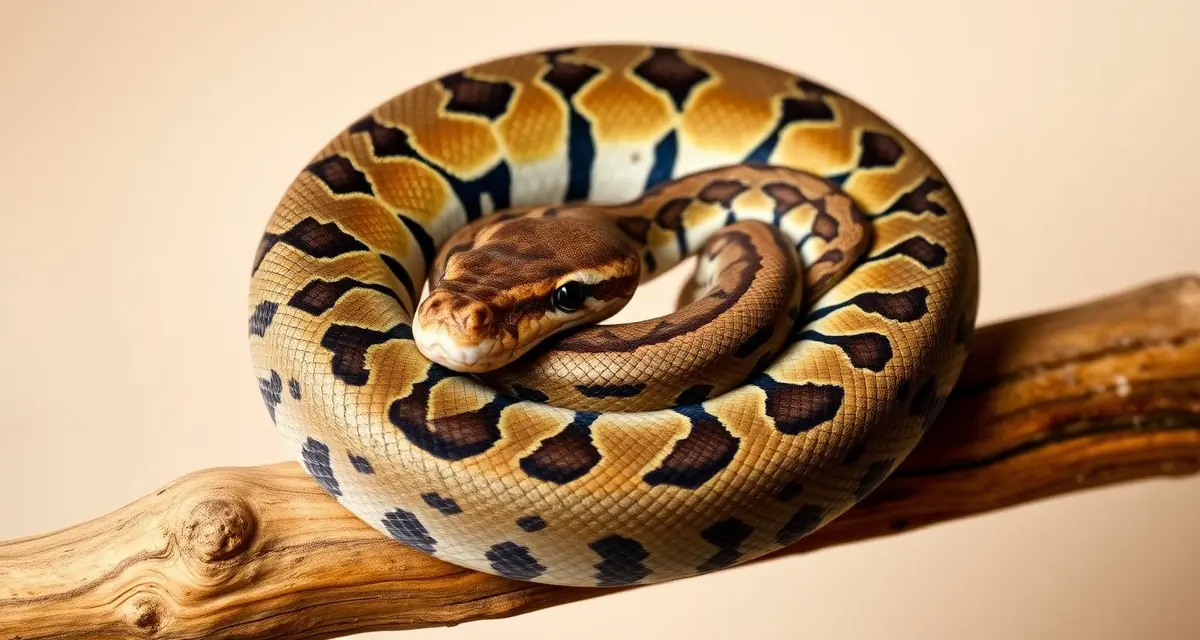
Reticulated Python Selling and Pricing: Complete Breeder Guide
By HatchLedger Editorial Team · Published 2025-03-09 · Updated Mar 13, 2026
Reticulated python pricing operates differently from ball python pricing in several ways that affect how breeders should approach their sales strategy. The buyer pool is smaller, the regulatory environment adds friction to transactions, and size considerations (particularly the dwarf and supermorph dwarf market) create distinct market segments with different price dynamics. Breeders using integrated software report 30% less time on administrative tasks, time better spent on the buyer relationship work that the retic market requires.
TL;DR
- Reticulated pythons (Malayopython reticulatus) are the world's longest snake species, with breeding females commonly exceeding 10-14 feet.
- Clutch sizes average 30-60 eggs, making retics one of the most productive large constrictors in captive breeding.
- Temperature drops of 5-8 degrees Fahrenheit over 6-8 weeks typically trigger breeding behavior without the longer cooling required by temperate species.
- Incubation runs 80-90 days at 88-90 degrees Fahrenheit, longer than most python species due to egg size.
- Super dwarf and dwarf locality animals are bred specifically for smaller adult size and command significant premiums over standard retics.
Understanding the Retic Market Segments
Full-size line animals appeal to experienced keepers and institutions who can appropriately house 14-20+ foot snakes. This is a smaller buyer pool than for dwarf lines, and buyers typically have more experience, more specific requirements, and more patience to wait for exactly what they want.
Dwarf and supermorph dwarf animals have broader market appeal because they stay more manageable in size. A superdwarf retic that maxes out at 8-10 feet can be kept by hobbyists who could never appropriately house a full-size animal. This larger potential buyer pool supports stronger demand and, in many cases, higher prices for the same morph combination relative to full-size animals.
Morph retics command premiums based on the same genetics-driven market logic as ball pythons, though the retic morph market is smaller and less liquid. High-end combos -- Super Tiger Mochino dwarfs, for example -- can command prices in the thousands. Normal-phase animals of any line have limited market value beyond the novelty of the species itself.
Pricing Considerations for Retics
Dwarf percentage matters to pricing. A confirmed 100% supermorph dwarf from documented island lineage commands a higher price than a "possible dwarf" or an animal of uncertain locality. Buyers doing size-conscious projects pay a premium for genetic certainty on the size question.
Morph combination premium scales with rarity and visual impact. A visual tiger dwarf is worth more than a normal dwarf. A super tiger mochino dwarf is worth more than a single-morph animal. Price your animals based on what the combination actually represents in the market, not just on what you paid for the parents.
Proven breeding animals command different pricing than hatchlings. A proven female that's already produced large clutches from documented genetic pairings is worth more than an unproven young female of equivalent genetics, because the buyer knows what they're getting. Document clutch size records and hatch outcomes to support proven breeder pricing.
Addressing the Size Question in Sales
Every potential retic buyer needs a frank conversation about size requirements before you sell to them. This is especially true for full-size line animals. A buyer who underestimates what they're committing to will end up with a problem you didn't cause but that will nonetheless create issues -- for the animal, for the buyer, and for your reputation if the buyer connects their regret back to you.
Be honest about adult size ranges for whatever line you're selling. Provide documentation of parentage for animals whose size projections are based on genetics (dwarf lines especially). Don't oversell size projections in either direction.
For superdwarf and dwarf lines, the documentation of island locale and percentage is part of the product. Buyers paying a premium for size-line animals need accurate documentation of what makes those animals what you're claiming. If you don't have complete documentation on an animal's dwarf percentage, price and represent it accordingly.
Regulatory and Shipping Considerations
Reticulated pythons are regulated as large constrictors in some U.S. states and localities. Before you sell an animal and arrange shipping, verify that it's legal to own in the buyer's jurisdiction. Selling a retic to a buyer in a jurisdiction where they're prohibited creates significant problems for the buyer and potential liability for you.
Interstate shipment of large constrictors requires compliance and shipping with applicable federal regulations. Work with a carrier that handles live reptile shipments and understand the documentation requirements. Keep copies of all shipping documentation in your sales records.
HatchLedger tracks sales records including buyer details, sale price, and any conditions attached to the sale for each animal.
Sales Documentation
Provide buyers with a written record of what they're getting: morph genetics, specific lines, dwarf percentage and locale (if applicable), sex, hatch date, and feeding history. This documentation protects you from future disputes and gives your buyer accurate information for their own projects.
A buyer who goes on to breed their animal and gets unexpected genetic outcomes will come back to you with questions. Having documented records of what you represented at the time of sale is valuable. It also demonstrates the kind of transparency that builds your reputation in a species community where word-of-mouth matters significantly.
HatchLedger connects sales records to clutch P&L for complete financial tracking of each breeding project.
Frequently Asked Questions
What is the best approach to reticulated python selling and pricing?
Understand the segment you're selling into: full-size, dwarf, or supermorph dwarf, and what morph genetics the animal carries. Price based on market comparables for similar animals with documented genetics. Be honest about size projections and regulatory requirements in the buyer's jurisdiction before finalizing any sale. Provide complete documentation of morph genetics, specific lines, and dwarf percentage to every buyer. Keep sales records that can address future questions about what you represented at the time of sale.
How do professional breeders handle reticulated python selling and pricing?
Professional retic breeders communicate clearly about what they're selling, including the size commitment involved. They maintain complete documentation for every animal they produce -- genetics, specific lines, locale and dwarf percentage for size-line animals, feeding history -- and provide this to buyers at the time of sale. They verify that sales to out-of-state buyers comply with applicable regulations before finalizing transactions. They track sale prices and connect them to clutch costs for accurate program profitability data.
What software helps manage reticulated python selling and pricing records?
HatchLedger tracks cycling records, pairing introductions, clutch documentation, locality lineage, and sale records for reticulated python breeders. With large animals, large clutches, and locality documentation all requiring careful records, having everything in one system reduces the risk of documentation errors at sale. Free for up to 20 animals.
What is the difference between standard, dwarf, and super dwarf reticulated pythons?
Standard reticulated pythons are the full-size animals from mainland Asian populations. Dwarf retics originate from island populations (Kalatoa, Kayuadi) and typically reach 8-12 feet. Super dwarf retics from Madu and Selayer islands often cap below 8 feet. These size differences are locality-based, and crossing localities produces intermediates. Locality documentation in your records is essential for accurate representation to buyers.
What are the legal considerations for keeping and breeding reticulated pythons?
Regulations vary significantly by state and municipality. Several US states restrict or ban large constrictors, and federal regulations under the Lacey Act apply to some populations. USARK maintains current regulatory information. Before breeding retics at scale, confirm that selling and shipping animals is permitted in your jurisdiction and target markets.
What is Reticulated Python Selling and Pricing: Complete Breeder Guide?
This guide covers everything reticulated python breeders need to know about pricing and selling their animals. It explains the distinct market segments—full-size, dwarf, super dwarf, and supermorph—and how each commands different price points. It also addresses the regulatory considerations, smaller buyer pool dynamics, and relationship-based sales approach that make the retic market unique compared to more mainstream species like ball pythons.
How much does Reticulated Python Selling and Pricing: Complete Breeder Guide cost?
The guide itself is free educational content on HatchLedger. Reticulated python prices vary widely by genetics and locality: standard line animals may sell for $100–$500, while dwarf and super dwarf morphs can range from $500 to several thousand dollars. Supermorph dwarf animals with rare gene combinations sit at the top of the market, sometimes exceeding $5,000 depending on the combination and the breeder's reputation.
How does Reticulated Python Selling and Pricing: Complete Breeder Guide work?
The guide walks breeders through understanding buyer segments, setting competitive prices based on morph, locality, and adult size potential, and navigating permitting requirements that add friction to retic transactions. It also covers breeding triggers—temperature drops of 5–8°F over 6–8 weeks—incubation at 88–90°F for 80–90 days, and how to manage large clutches averaging 30–60 eggs efficiently using breeder management software.
What are the benefits of Reticulated Python Selling and Pricing: Complete Breeder Guide?
Breeders benefit from a clearer pricing framework tailored to retics rather than repurposed ball python logic. The guide helps reduce underpricing of dwarf and super dwarf animals, improves how breeders communicate size and genetics to buyers, and highlights how integrated record-keeping software can cut administrative time by around 30%—freeing up time for the buyer relationship work that drives repeat sales in this niche market.
Who needs Reticulated Python Selling and Pricing: Complete Breeder Guide?
This guide is written for experienced reptile breeders working with reticulated pythons, particularly those producing dwarf, super dwarf, or supermorph animals. It's also useful for keepers considering entering retic breeding who want to understand market realities before investing. Given the size, regulatory complexity, and smaller buyer pool compared to ball pythons, this resource is most valuable to breeders ready to treat retic sales as a deliberate, relationship-driven business.
How long does Reticulated Python Selling and Pricing: Complete Breeder Guide take?
Reading the guide takes roughly 10–15 minutes. Applying its pricing and sales strategies is an ongoing process—expect a few breeding seasons to fully calibrate your pricing to your specific morph mix and buyer base. The breeding cycle itself runs approximately 80–90 days for incubation alone, plus conditioning time. Breeders typically see improvements in sales efficiency and pricing confidence within their first full season of applying these frameworks.
Related Articles
Sources
- USARK (United States Association of Reptile Keepers)
- Association of Reptilian and Amphibian Veterinarians (ARAV)
- Journal of Herpetology (Society for the Study of Amphibians and Reptiles)
- CITES Appendix II (international trade documentation)
- Southeast Asian Biodiversity Society
Get Started with HatchLedger
Reticulated python breeding at any scale involves large animals, large clutches, morph and locality genetics overview, and compliance records that require an organized system to manage well. HatchLedger tracks every animal, pairing, clutch, and sale record in one place. Try it free with up to 20 animals.