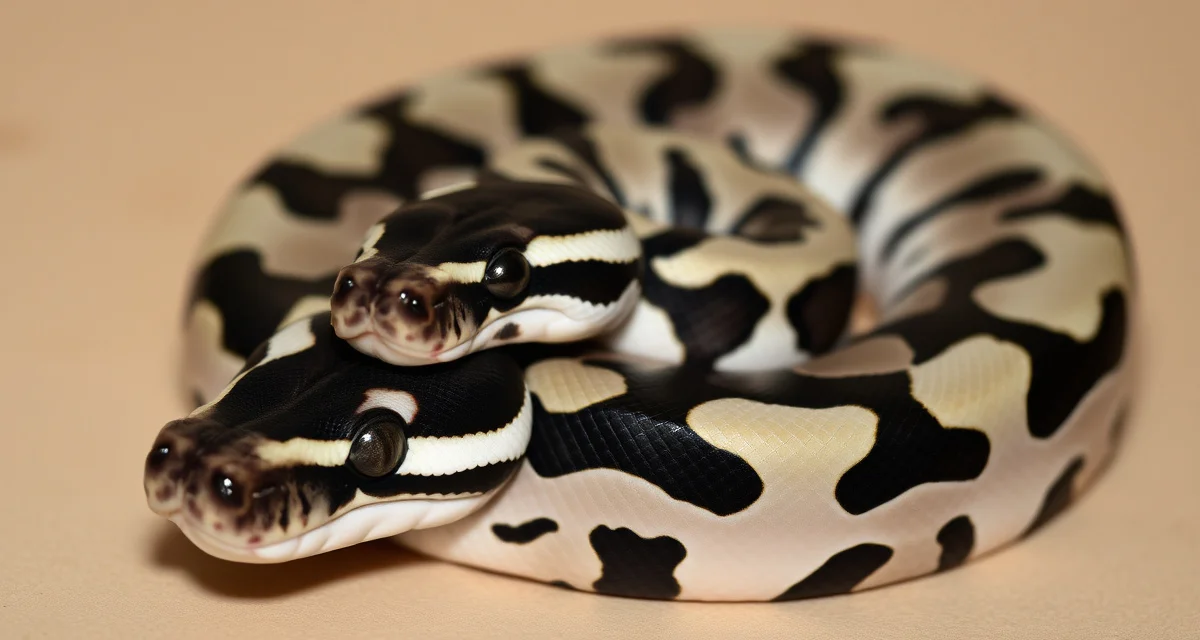
Axanthic Pied Ball Python: Breeding Odds, Pairings and Market Value
By HatchLedger Editorial Team · Published 2025-05-10 · Updated Mar 13, 2026
The axanthic pied ball python is one of those combos that stops people mid-scroll. Black, white, and grey, with almost no yellow and almost no brown, just stark contrast with the classic pied pattern. It's one of the cleanest-looking combos in ball python breeding, and it has a real market because of it.
TL;DR
- The Axanthic Pied combination requires careful planning across multiple genetic lines before visual animals can be produced.
- Recessive genes in any combination require both parents to carry the gene, making genetics guide the foundation of a successful project.
- Multi-recessive projects typically take 2-4 seasons from acquiring het stock before producing the target combination visual.
- Co-dominant genes in combinations show in single copy, allowing you to confirm the gene visually before selling or retaining animals.
- Documenting parentage for every animal in a multi-gene project is the only reliable way to maintain accurate het claims across generations.
Axanthic pied projects are longer-term plays than most. Both genes are recessive, which means your timeline to visual animals stretches across multiple seasons. Breeders using integrated software report 30% less time on administrative tasks, and when you're running a multi-year recessive project, that time savings compounds.
Why Axanthic Pied Projects Are Tricky to Plan
Two-recessive projects are where breeders get frustrated. You pair a proven axanthic to a proven pied and what do you get? A clutch full of double hets. No visual animals. Nothing to sell except hets that buyers have to take on faith.
That's not a bad outcome. Double het axanthic pieds from quality pairings sell to other breeders. But if you didn't plan for this, it feels like a lost season. And if your het animals aren't well-proven, pricing them confidently is hard.
The breeders who succeed with axanthic pied projects are the ones who mapped out the multi-year path before year one.
How to Breed Axanthic Pied Ball Pythons
Step 1: Map Out Your Multi-Year Strategy
Year one of an axanthic pied project usually produces double het animals. Year two is where it gets interesting. Pairing those double hets together gives you a 1-in-16 chance of a visual axanthic pied per egg. That sounds low, but a six-egg clutch from a proven double het pairing is going to pop some visual animals eventually.
Use the ball python morph calculator to model each stage of your project so you know what to expect and when.
The faster route: buy a proven double het axanthic pied (100% het both) and pair to a visual pied or visual axanthic carrying the other het. This condenses the timeline by a full season or more.
Step 2: Source Quality Genetics
Axanthic ball pythons come in multiple lines: VPI, TSK, Jolliff, and others. The lines don't mix to produce visual axanthics, so you need to be certain which line your animals carry. When you're building toward axanthic pied, line consistency matters.
Ask sellers for documentation on line and provenance. Mixing lines and producing "het axanthic" animals that are actually incompatible het lines is a reputation-damaging mistake that's easy to avoid.
Step 3: Condition and Cycle Your Breeders
Standard ball python conditioning applies here. Females should be 1,500g or above. Drop night temperatures 5-8°F starting in October or November to trigger reproductive behavior. Log weights and feeding through the whole conditioning window.
Both axanthic and pied animals tend to be reliable feeders and breeders. They don't present unusual challenges during conditioning.
Step 4: Introduce Males and Document Locks
Evening introductions work best. Log every introduction and every lock. With double het pairings, every piece of documentation matters. When you're selling het animals, your breeding records are part of what you're selling.
Rotate males weekly through November and December for best fertility results.
Step 5: Track Ovulation and Clutch Timing
Once your female ovulates, log that date immediately. Pre-lay shed follows at roughly 30 days. Egg laying follows the shed by 16-18 days. These timelines are consistent enough that precise ovulation logging gives you a reliable hatch window.
Step 6: Incubate Carefully
Axanthic pied eggs look the same as any other ball python eggs in the incubator. Keep temperatures at 88-90°F and humidity above 90%. Average clutch size runs 4-8 eggs. Mark containers with full pairing info. In a double het project, provenance data matters at every stage.
Hatch window is 54-60 days. Axanthic pied hatchlings will be visually striking at hatch if they're visual. Double hets look normal.
Step 7: Identify and Price Hatchlings
Visual axanthic pieds are unmistakable: grey, white, black, with minimal yellow. Double hets look like normal ball pythons. Axanthic hets may show some of the characteristic axanthic pattern reduction.
Sex everything. Price females with a premium. Double het females from proven pairings can move for $300-600+ to breeders running similar projects.
What Axanthic Pied Ball Pythons Sell For
| Animal | Typical Range |
|--------|--------------|
| Double Het Axanthic Pied (50% het) | $100 - $200 |
| Double Het Axanthic Pied (100% het) | $300 - $600 |
| Visual Axanthic Pied | $900 - $2,000+ |
| Visual Axanthic Pied female | $1,500 - $3,500+ |
Visual axanthic pieds are high-value animals. The grey-and-white coloration is genuinely striking, and demand stays strong because supply is still relatively limited. Female visual axanthic pieds command serious premiums.
Common Mistakes in Axanthic Pied Projects
Mixing axanthic lines. This is the most damaging mistake you can make in axanthic projects. Know your line before you breed.
Underestimating the timeline. If you're starting from scratch, budget two to three seasons before you see visual axanthic pieds. Plan financially for this.
Overpricing low-percentage hets. Fifty-percent het double hets have real value but are priced accordingly. Know the difference between 50% and 100% hets in your pricing.
Not tracking clutch-level costs. With multi-year projects, you need to know what you've spent when visual animals finally arrive. The ball python breeding hub covers this in detail.
What is the best approach to axanthic pied ball python?
Start by sourcing animals from verified, compatible axanthic lines with documented pied genetics. Map your multi-year breeding plan before you begin. The fastest path to visual axanthic pieds is pairing a double het axanthic pied (100% het both) to a visual pied carrying axanthic het, or vice versa. Understand your odds per clutch and plan production accordingly.
How do professional breeders handle axanthic pied ball python?
Professional breeders working axanthic pied projects maintain detailed lineage records for every animal in the project. They know the axanthic line, the pied provenance, and every pairing that contributed to each animal's het status. This documentation supports confident pricing and builds buyer trust in het animals, which is where most of the volume in these projects comes from.
What software helps manage axanthic pied ball python?
HatchLedger connects your breeding records, incubation logs, and clutch financials in one place. For multi-year projects like axanthic pied, being able to pull up the full history of every animal in your program is what separates professional operations from hobbyists. Track every pairing, every clutch, every hatchling, so when visual animals arrive, you have the documentation to sell them confidently.
Related Articles
- Clown Pied Ball Python: Breeding Odds, Pairings and Market Value
- Coral Glow Pied Ball Python: Breeding Odds, Pairings and Market Value
FAQ
What is Axanthic Pied Ball Python: Breeding Odds, Pairings and Market Value?
The axanthic pied ball python is a double recessive morph combining the axanthic and pied genes. The result is a striking black, white, and grey animal that lacks the typical yellow and brown pigmentation found in standard ball pythons. The pied pattern creates large blocks of white alongside the reduced-color axanthic pattern, producing one of the most visually dramatic combos in the hobby. It requires both genes to be present in double copy to express visually.
How much does Axanthic Pied Ball Python: Breeding Odds, Pairings and Market Value cost?
Visual axanthic pied ball pythons typically sell for $400–$1,200 depending on pattern quality, lineage, and the seller's reputation. Het and possible het animals cost significantly less, often $75–$250 for double hets. Pricing varies by axanthic line as well — VPI axanthic animals generally command a premium over other lines. As the combo becomes more common, prices have softened from early highs but remain strong due to consistent collector demand for clean, high-contrast animals.
How does Axanthic Pied Ball Python: Breeding Odds, Pairings and Market Value work?
Both axanthic and pied are recessive genes, meaning a snake must inherit two copies of each gene to show the visual trait. Breeding works by pairing animals that carry both genes — typically double het animals — to produce a statistical chance of visuals in the clutch. A double het to double het pairing gives a 1-in-16 chance of producing an axanthic pied. Breeders often work through multiple generations before hitting the target combination.
What are the benefits of Axanthic Pied Ball Python: Breeding Odds, Pairings and Market Value?
The axanthic pied is one of the cleanest high-contrast combos available in ball pythons. The near-complete removal of yellow and brown pigment paired with the bold pied white sections creates a striking aesthetic that has lasting market appeal. It photographs exceptionally well, making it easy to sell. The rarity of clean visuals and the multi-season investment required to produce them helps maintain pricing stability compared to easier single-gene projects.
Who needs Axanthic Pied Ball Python: Breeding Odds, Pairings and Market Value?
This project suits intermediate to advanced breeders who are comfortable with multi-generational recessive breeding programs. It's ideal for hobbyists who want a long-term project with a clearly defined visual goal and strong resale value. Collectors looking for high-contrast display animals are the primary buyers. Breeders with organized record-keeping systems benefit most, as tracking het status across multiple clutches and seasons is essential to managing a double recessive project accurately.
How long does Axanthic Pied Ball Python: Breeding Odds, Pairings and Market Value take?
Expect a timeline of two to four breeding seasons from acquiring het stock before producing visual axanthic pieds. The first season typically produces het offspring. Subsequent seasons are needed to pair proven hets and attempt visuals. Incubation runs 55–60 days per clutch. If starting from scratch with unproven stock, the timeline extends further. Breeders who acquire proven double hets or existing visual animals can compress this timeline significantly by skipping early foundation generations.
What should I look for when choosing Axanthic Pied Ball Python: Breeding Odds, Pairings and Market Value?
Focus on axanthic line compatibility — VPI, TSK, and Jolliff are the most common lines, and mixing lines produces animals that may carry both but won't express either visually. Verify lineage documentation and het claims before purchasing. Look for sellers who provide parentage records and can confirm how hets were produced. Pattern quality in pied animals also varies widely, so if visual pattern appeal matters to your buyers, select foundation stock with clean, high-contrast pied expression.
Is Axanthic Pied Ball Python: Breeding Odds, Pairings and Market Value worth it?
For breeders who enjoy long-term projects and want animals with lasting collector appeal, axanthic pied is worth the investment. The visual payoff is significant and the market for clean examples remains steady. The main cost is time — multiple seasons of feeding, housing, and managing animals before hitting visuals. If you're looking for a quick turnaround, single-gene or co-dominant projects are more efficient. But if you want a project with genuine rarity and strong aesthetics, axanthic pied delivers.
Sources
- USARK (United States Association of Reptile Keepers)
- Association of Reptilian and Amphibian Veterinarians (ARAV)
- MorphMarket (reptile industry market reference)
- World of Ball Pythons (WoBP genetics reference database)
- Reptiles Magazine (Bowtie Inc.)
Track Your Axanthic Pied Project from Start to Finish
Get Started with HatchLedger
Building a Axanthic Pied project across multiple seasons means tracking genetics, parentage, and clutch outcomes that compound in complexity year over year. HatchLedger connects all of that data in one system so your project documentation stays accurate from first pairing through final sale. Try it free with up to 20 animals.