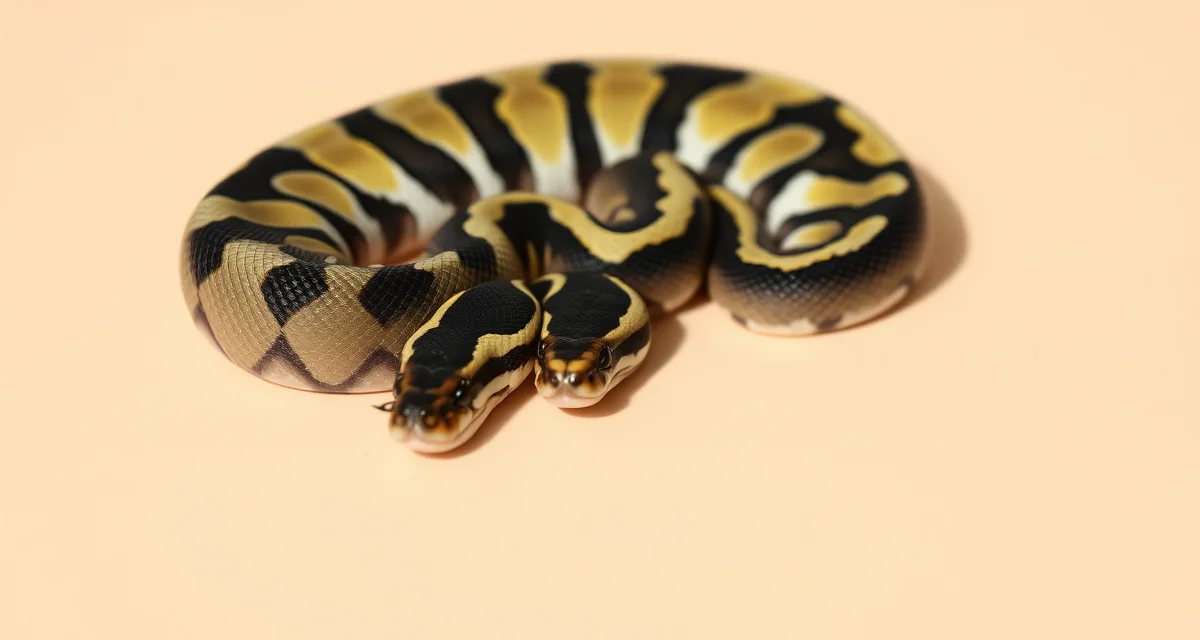
Clown Pied Ball Python: Breeding Odds, Pairings and Market Value
By HatchLedger Editorial Team · Published 2025-07-08 · Updated Mar 13, 2026
Clown Pied is a double recessive combo, two separate recessive genes (Clown and Pied) expressed simultaneously in one animal. These are among the most visually striking and commercially valuable ball pythons you can produce. Getting there requires careful multi-year planning because both Clown and Pied need to be present in two copies each before visual expression occurs.
TL;DR
- The Clown Pied combination requires careful planning across multiple genetic lines before visual animals can be produced.
- Recessive genes in any combination require both parents to carry the gene, making genetics guide the foundation of a successful project.
- Multi-recessive projects typically take 2-4 seasons from acquiring het stock before producing the target combination visual.
- Co-dominant genes in combinations show in single copy, allowing you to confirm the gene visually before selling or retaining animals.
- Documenting parentage for every animal in a multi-gene project is the only reliable way to maintain accurate het claims across generations.
Genetics: What You Need to Produce a Clown Pied
Both Clown and Pied are fully recessive. To produce a visual Clown Pied, an animal must carry:
- Two copies of Clown (homozygous Clown)
- Two copies of Pied (homozygous Pied)
This means both parents must carry at least one copy of each gene. The simplest foundation pairing is:
het Clown het Pied x het Clown het Pied
Breeding Odds: Double Het x Double Het
From two double-het (het Clown het Pied) parents, the offspring ratios across all possible genetic outcomes:
| Phenotype | Probability |
|-----------|------------|
| Clown Pied (double visual) | 1/16 (6.25%) |
| Visual Clown het Pied | 3/16 (18.75%) |
| Visual Pied het Clown | 3/16 (18.75%) |
| Double het (het Clown het Pied) | 9/16 (56.25%) |
From a 6-egg clutch: statistically 0-1 Clown Pied, but plenty of valuable hets and single-visual animals. Over several clutches, you'll produce Clown Pieds.
Pricing Clown Pied Ball Pythons
| Animal | Retail Range |
|--------|-------------|
| Clown Pied | $2,000-$5,000+ |
| Visual Clown het Pied | $700-$1,400 |
| Visual Pied het Clown | $700-$1,400 |
| Double het (proven, female) | $400-$700 |
| Double het (proven, male) | $250-$450 |
Add co-dominant genes (Pastel, Enchi, GHI) to the parents and these prices escalate further. A Pastel Clown Pied routinely sells for $4,000-$8,000+ to the right buyer.
Building Toward Clown Pied: Multi-Year Strategy
Year 1: Acquire Foundation
Get double het animals from a reputable source. Confirmed double hets (from double visual parents) are worth $400-$700 for females. Possible double hets cost less but require proving seasons.
Year 2: Start Pairings
Your double het female reaches breeding size at 1,500g+ minimum. Pair with double het male. Log every lock date in HatchLedger. First clutch often contains 4-8 eggs.
Year 3-4: Consistent Production
By year 3 you've produced several clutches. Statistical expectation is one visual Clown Pied every 2-4 clutches. Meanwhile you're generating Clown het Pied and Pied het Clown animals, both commercially strong.
Co-Dom Enhancement
Building Pastel, Enchi, or other co-doms into your double het line dramatically increases the value of every output category. A Pastel Pied het Clown is significantly more valuable than a plain Pied het Clown.
Tracking a Clown Pied Project in HatchLedger
This is the archetype of a project that requires serious record management. Multiple parents, multi-year timelines, animals with complex het statuses, without software, important details fall through the cracks.
HatchLedger's lineage engine connects every offspring to both parents, automatically populating het status based on parentage. The breeding season planner schedules your double het pairings alongside any other projects. The budget calculator tracks total investment across multiple seasons so you know your actual cost per Clown Pied produced.
When a Clown Pied finally hatches, the buyer pack generator creates full documentation: both parent pairings, lineage going back to the foundation animals, and the certificate of authenticity. That documentation supports the premium asking price.
Related Articles
- Black Pastel Clown Ball Python: Breeding Odds, Pairings and Market Value
- Black Pastel Pied Ball Python: Breeding Odds, Pairings and Market Value
- Butter Clown Ball Python: Breeding Odds, Pairings and Market Value
- Butter Pied Ball Python: Breeding Odds, Pairings and Market Value
FAQ
What are the breeding odds for Clown Pied ball python?
From a double het (het Clown het Pied) x double het pairing, the odds of producing a visual Clown Pied are 1/16 (6.25%) per egg. From a 6-egg clutch, you'd statistically expect about 0.4 Clown Pieds, meaning you typically need multiple clutches to produce one. The remaining offspring (Visual Clowns het Pied, Visual Pieds het Clown, and Double Hets) all have strong commercial value.
How do professional breeders build toward Clown Pied ball python projects?
Experienced breeders start with documented double het animals, build co-dom genes into the foundation, and run consistent pairings for multiple seasons. They sell the single-visual offspring (Clown het Pied, Pied het Clown) to generate revenue while the double hets continue producing. The Clown Pied animals are the prestige product that justifies holding back breeders for years.
What is Clown Pied Ball Python: Breeding Odds, Pairings and Market Value?
A Clown Pied ball python is a double recessive combo morph expressing both the Clown and Pied genes simultaneously. Each gene must be present in two copies (homozygous) for visual expression. The result is one of the most visually striking ball python morphs available, combining the reduced patterning of Pied with the aberrant pattern and coloration of Clown. Because two separate recessive genes must align, these animals are relatively rare and command strong market prices.
How much does Clown Pied Ball Python: Breeding Odds, Pairings and Market Value cost?
Visual Clown Pied ball pythons typically sell for $800–$2,500+ depending on quality, sex, and seller reputation. Het animals (carrying one copy of either gene) sell for significantly less but are essential for building a project. Females generally command higher prices than males. Market value fluctuates as more breeders produce the combo, so pricing trends downward over time as supply increases. Sourcing proven, documented het stock from reputable breeders is worth the premium to protect your project investment.
How does Clown Pied Ball Python: Breeding Odds, Pairings and Market Value work?
Producing a Clown Pied requires both parents to carry two copies of each recessive gene. The most direct pairing is double het Clown Pied x double het Clown Pied, which yields a 1-in-16 chance of producing a visual Clown Pied per egg. Both Clown and Pied are fully recessive, meaning single-copy carriers look normal. Every pairing must be planned around confirmed genetic backgrounds, and parentage documentation is essential to maintain accurate het claims across generations.
What are the benefits of Clown Pied Ball Python: Breeding Odds, Pairings and Market Value?
Clown Pied ball pythons offer strong commercial value due to their rarity and visual impact. For breeders, a successful clutch can yield multiple high-value animals including visual Clown Pieds, double hets, and single hets—all sellable. The project also builds transferable genetic stock for future seasons. For collectors, Clown Pieds are display animals that hold value well. The structured multi-year planning required also sharpens a breeder's understanding of recessive genetics, making the project educational alongside being profitable.
Who needs Clown Pied Ball Python: Breeding Odds, Pairings and Market Value?
This project suits intermediate to advanced ball python breeders comfortable working with recessive genetics across multiple seasons. Breeders need patience, space for growing out hets, and a reliable record-keeping system to track parentage. It is not ideal as a first breeding project due to the long timeline and upfront cost of acquiring quality het stock. Collectors seeking a high-impact, investment-grade morph are also a strong market for finished animals, particularly females with documented lineage.
How long does Clown Pied Ball Python: Breeding Odds, Pairings and Market Value take?
Producing a visual Clown Pied from scratch typically takes 2–4 breeding seasons. The first season produces double het offspring from two single het parents. Those offspring must grow to breeding size, then be paired together in season two or three. If a visual Clown Pied is produced, it still needs time to grow before sale or use in future pairings. Acquiring proven double het stock can shorten the timeline significantly, but adds upfront cost to the project.
Sources
- USARK (United States Association of Reptile Keepers)
- Association of Reptilian and Amphibian Veterinarians (ARAV)
- MorphMarket (reptile industry market reference)
- World of Ball Pythons (WoBP genetics reference database)
- Reptiles Magazine (Bowtie Inc.)
Get Started with HatchLedger
Building a Clown Pied project across multiple seasons means tracking genetics, parentage, and clutch outcomes that compound in complexity year over year. HatchLedger connects all of that data in one system so your project documentation stays accurate from first pairing through final sale. Try it free with up to 20 animals.