Black Pastel Pied Ball Python: Breeding Odds, Pairings and Market Value
By HatchLedger Editorial Team · Published 2025-05-05 · Updated Mar 13, 2026
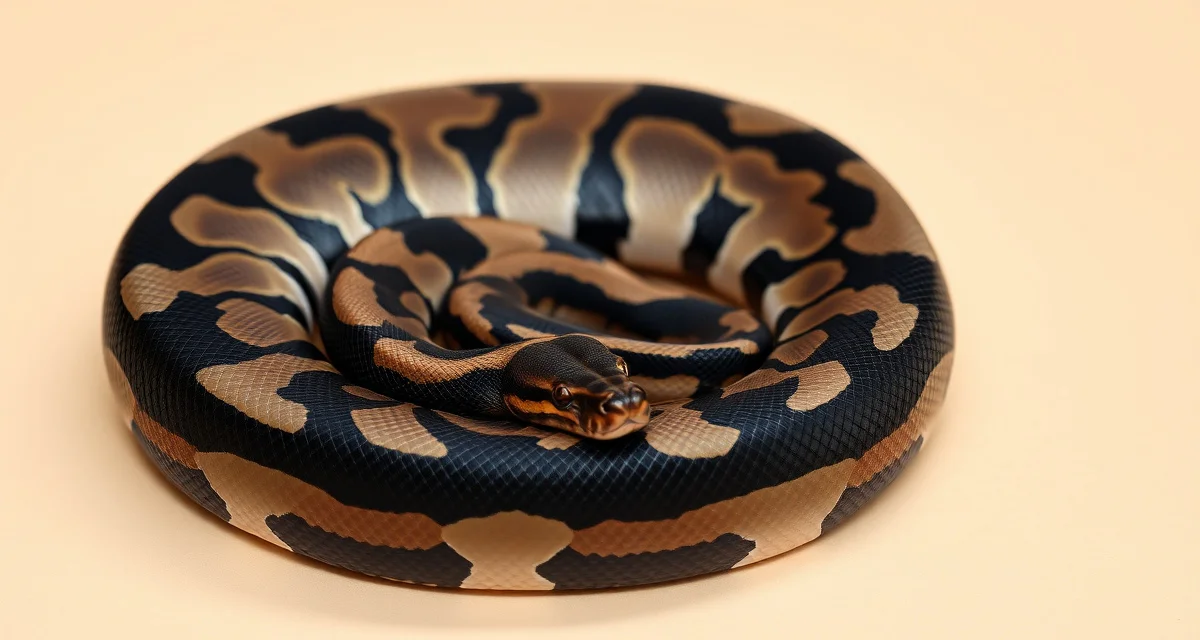
The black pastel pied ball python is a dramatic combination. Black pastel darkens and intensifies the entire pattern, and when that darkening effect hits the pied's colored sections, you get a high-contrast animal with deep, rich tones against bold white patches. It's a striking visual and it sells well to buyers who want impact from their pied combo.
TL;DR
- The Black Pastel combination requires careful planning across multiple genetic lines before visual animals can be produced.
- Recessive genes in any combination require both parents to carry the gene, making genetics guide the foundation of a successful project.
- Multi-recessive projects typically take 2-4 seasons from acquiring het stock before producing the target combination visual.
- Co-dominant genes in combinations show in single copy, allowing you to confirm the gene visually before selling or retaining animals.
- Documenting parentage for every animal in a multi-gene project is the only reliable way to maintain accurate het claims across generations.
These projects require planning and awareness. Breeders using integrated software report 30% less time on administrative tasks, and in a project that combines dark complex genetics with a recessive gene, organized tracking makes a real difference.
The Dark Complex Awareness Requirement
Black pastel is in the same dark complex as Cinnamon. Pairing black pastel to cinnamon (or black pastel to black pastel) can produce super forms with welfare implications depending on the specific combination.
This doesn't disqualify black pastel pied as a project. It means you need to know exactly what genes your animals carry and which pairings to avoid or approach carefully.
Pair black pastel to normals or pieds that don't carry dark complex genes, and you're working with straightforward codominant x recessive genetics. Know your animals.
How to Breed Black Pastel Pied Ball Pythons
Step 1: Verify Dark Complex Gene Load
Before pairing, confirm which dark complex genes your animals carry. If your black pastel animals also carry cinnamon, mahogany, or similar genes, you need to understand what happens in various super form scenarios.
Use the ball python morph calculator to model all clutch outcomes for your specific animals.
Step 2: Choose Your Pairing
Safe, productive black pastel pied pairings:
- Black Pastel het Pied x het Pied: produces black pastel pieds, black pastel het pieds, visual pieds, het pieds, normals (use normal het pied female from clean genetics)
- Black Pastel Pied x Normal het Pied: produces black pastel pieds and het carriers
- Black Pastel Pied x Black Pastel het Pied: produces Super Black Pastel Pied (Black Magic Pied) as possible outcome, verify dark complex genetics first
Super Black Pastel Pied (Black Magic Pied) animals are strikingly dark with bold white patches, highly sought after by collectors.
Step 3: Confirm Pied Het Documentation
Both parents need proven pied het status. Buyers of het pied animals expect pairing documentation. Build your project on traceable genetics.
Step 4: Condition Breeders
Females to 1,500g+. Heavy feeding through summer and fall. Temperature drop in October or November. Black pastel animals are reliable feeders and breeders.
Log every weight and feeding. Documentation supports both het animal sales and your own breeding decisions.
Step 5: Introduce and Track Pairings
Evening introductions. Log every introduction and lock. With dark complex animals, knowing exactly which animal sired each clutch is non-negotiable.
Reintroduce males weekly through November and December.
Step 6: Track Ovulation
Log ovulation immediately. Pre-lay shed at 30 days. Egg laying at 16-18 days post-shed.
Step 7: Incubate and Process Hatchlings
Eggs at 88-90°F, high humidity. Average clutch: 4-8 eggs. Mark containers with complete pairing information. Hatch window: 54-60 days.
Black pastel pied hatchlings are identifiable, the darkening effect is clear in colored sections against pied white. Super black pastel animals look dramatically darker. Sex everything before pricing.
What Black Pastel Pied Ball Pythons Sell For
| Animal | Typical Range |
|--------|--------------|
| Black Pastel het Pied | $250 - $500 |
| Visual Pied | $250 - $500 |
| Black Pastel Pied | $500 - $1,000 |
| Super Black Pastel Pied (Black Magic Pied) | $1,000 - $2,500+ |
| Females | Premium +30-50% |
Black pastel pied commands strong pricing because the visual impact is notable. Super black pastel pieds are rare and highly sought after.
Common Mistakes in Black Pastel Pied Projects
Not verifying dark complex genetics. Before pairing black pastel to other animals, know what's in their gene load. Dark complex pairings without awareness can produce animals with health concerns.
Not documenting pied het status. Het animals in pied projects sell for considerably less without documentation. Maintain records from day one.
Underpricing visual pieds. Visual pieds from a quality black pastel pied project are still worth full pied market value.
Ignoring the admin side. The ball python breeding hub covers financial tracking for breeders who want to know which projects return value.
What is the best approach to black pastel pied ball python?
Verify your dark complex gene load first. Then use clean, traceable het pied animals in your pairings to produce black pastel pieds without dark complex complications. Document everything, confirm pied het provenance, and know your target animals' value before the clutch hatches.
How do professional breeders handle black pastel pied ball python?
Professional breeders working black pastel pied projects understand dark complex genetics thoroughly, document every pairing with precision, and communicate genetics clearly to buyers. They price super black pastel pieds at their full market value and maintain the documentation that makes het animals worth buying.
What software helps manage black pastel pied ball python?
HatchLedger connects breeding records to clutch P&L so you can track black pastel pied project performance on real data. For projects where dark complex genetics require detailed documentation and where individual animals carry notable value, integrated records are what keep your operation professional and financially transparent.
Related Articles
- Banana Pastel Ball Python: Breeding Odds, Pairings and Market Value
- Banana Pied Ball Python: Breeding Odds, Pairings and Market Value
FAQ
What is Black Pastel Pied Ball Python: Breeding Odds, Pairings and Market Value?
A Black Pastel Pied ball python is a combination morph blending the Black Pastel co-dominant gene with the recessive Pied gene. Black Pastel intensifies and darkens the pattern, creating deep, rich tones across the colored sections of the Pied's signature white-and-pattern layout. The result is a high-contrast animal with bold visual impact. Producing it requires planning across genetic lines, since Pied is recessive and both parents must carry the gene before visual animals can appear in a clutch.
How much does Black Pastel Pied Ball Python: Breeding Odds, Pairings and Market Value cost?
Black Pastel Pied ball pythons typically sell for $300–$800 depending on pattern, color expression, and breeder reputation. Animals with clean high-white Pied patterns and strong Black Pastel darkening command premium prices. Het Pied Black Pastels run $100–$250. Pricing varies by market demand and whether the animal is male or female, with females generally fetching more. Multi-gene combos adding a third morph like Clown or Axanthic can push prices significantly higher for visually striking animals.
How does Black Pastel Pied Ball Python: Breeding Odds, Pairings and Market Value work?
Black Pastel is a co-dominant gene, meaning it shows visually in a single copy and can be confirmed before breeding. Pied is recessive, requiring two copies to express visually. To produce Black Pastel Pied offspring, breeders typically pair a Black Pastel het Pied to another het Pied or visual Pied. Each clutch from two het Pied parents carries a 25% chance of producing visual Pied offspring, with Black Pastel showing in roughly half of those depending on the pairing.
What are the benefits of Black Pastel Pied Ball Python: Breeding Odds, Pairings and Market Value?
This project rewards breeders who value visual impact and market appeal. Black Pastel Pied produces animals with dramatic contrast that photograph well and attract buyers quickly. Because Black Pastel is co-dominant, you can work it into your collection without waiting for two recessive copies. The combination also opens doors to triple-gene projects. Organized genetic tracking throughout the project ensures accurate het claims, protecting your reputation and the value of every animal you produce and sell.
Who needs Black Pastel Pied Ball Python: Breeding Odds, Pairings and Market Value?
Black Pastel Pied projects suit intermediate to advanced ball python breeders who are comfortable managing multi-gene recessive projects across multiple breeding seasons. Breeders focused on building a marketable collection with strong visual impact will find this combination fits well into a broader lineup. It also appeals to hobbyists who want a structured long-term goal. Anyone entering this project should be prepared to hold and track het animals for one to two seasons before producing visual Black Pastel Pieds.
How long does Black Pastel Pied Ball Python: Breeding Odds, Pairings and Market Value take?
From acquiring het stock to producing visual Black Pastel Pied offspring, expect two to four breeding seasons. The first season typically produces hets and possible visuals depending on your starting pairing. Pied being recessive means you need both parents carrying the gene before visual animals appear, and confirming het status takes time. Breeders who start with a visual Pied paired to a Black Pastel het Pied can shorten the timeline compared to starting with two het animals.
What should I look for when choosing Black Pastel Pied Ball Python: Breeding Odds, Pairings and Market Value?
Look for animals from breeders who document full parentage and can provide credible het claims. Visual Black Pastel Pied animals should show strong pattern darkening across the colored sections, with clean white patches and good body condition. Avoid animals with vague or unverifiable genetic backgrounds, as accurate het claims are the foundation of a multi-gene project. Ask about clutch mates and parents. Breeders using organized tracking software are more likely to provide reliable genetic documentation across multiple generations.
Is Black Pastel Pied Ball Python: Breeding Odds, Pairings and Market Value worth it?
For breeders building a collection with market appeal, Black Pastel Pied is a strong investment. The visual impact sells well, the co-dominant Black Pastel gene is easy to confirm and work with, and Pied remains one of the most in-demand recessive morphs in ball pythons. The project requires patience and organization, but the payoff in both animal quality and resale value is real. If you enjoy structured multi-season projects and want animals that stand out, this combination is worth pursuing.
Sources
- USARK (United States Association of Reptile Keepers)
- Association of Reptilian and Amphibian Veterinarians (ARAV)
- MorphMarket (reptile industry market reference)
- World of Ball Pythons (WoBP genetics reference database)
- Reptiles Magazine (Bowtie Inc.)
Run Your Black Pastel Pied Project with HatchLedger
Get Started with HatchLedger
Building a Black Pastel project across multiple seasons means tracking genetics, parentage, and clutch outcomes that compound in complexity year over year. HatchLedger connects all of that data in one system so your project documentation stays accurate from first pairing through final sale. Try it free with up to 20 animals.