Banana Clown Ball Python: Breeding Odds, Pairings and Market Value
By HatchLedger Editorial Team · Published 2025-01-20 · Updated Mar 13, 2026
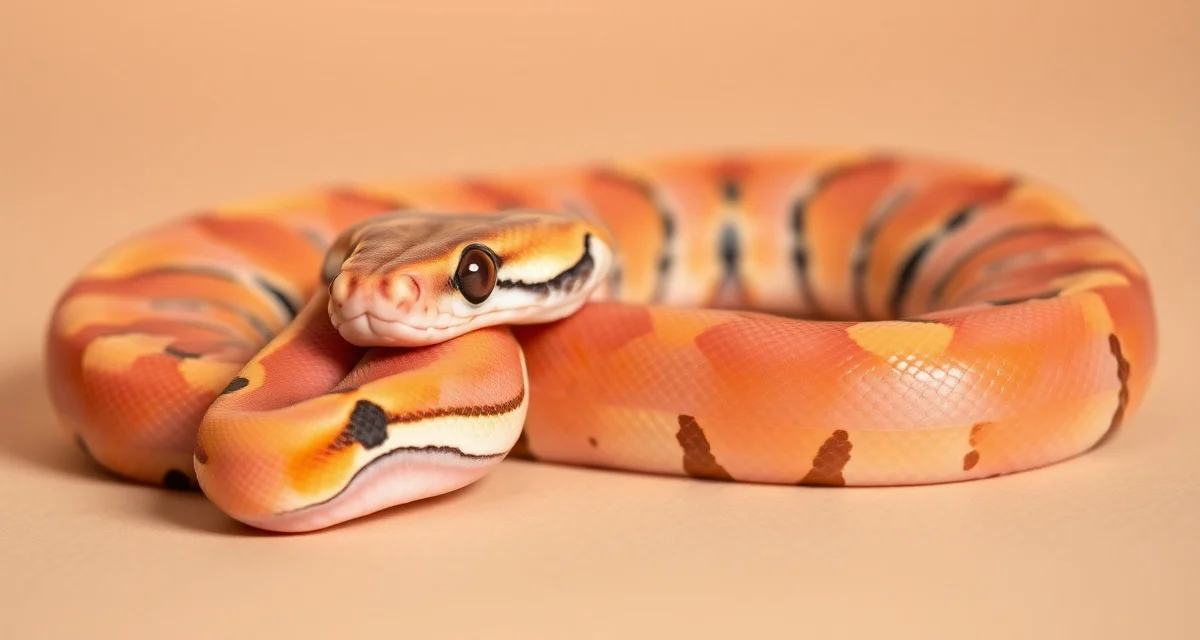
Banana Clown is a striking three-gene combo, Banana's vivid pink-orange coloration stacked on Clown's reduced dorsal pattern and alien-head clustering. These animals are consistently in demand, and the Banana gender bias adds an interesting wrinkle to production planning. If you're building a Clown project and have access to Banana genetics, this is a high-value target.
TL;DR
- The Banana Clown combination requires careful planning across multiple genetic lines before visual animals can be produced.
- Recessive genes in any combination require both parents to carry the gene, making genetics guide the foundation of a successful project.
- Multi-recessive projects typically take 2-4 seasons from acquiring het stock before producing the target combination visual.
- Co-dominant genes in combinations show in single copy, allowing you to confirm the gene visually before selling or retaining animals.
- Documenting parentage for every animal in a multi-gene project is the only reliable way to maintain accurate het claims across generations.
Genetics: Producing Banana Clown
Banana is co-dominant with a sex-linked component. Clown is recessive, two copies required.
Banana Gender Bias in Production
- Female Banana parent x male: produces more male Banana offspring
- Male Banana parent x female: produces more female Banana offspring
This matters significantly for Banana Clown production because female Banana Clowns sell for substantially more than males ($1,000-$2,000+ vs. $700-$1,400).
Production Routes
Banana het Clown x het Clown:
- ~12.5% Banana Clown (all with gender bias applied)
- ~12.5% Banana het Clown
- ~12.5% Visual Clown
- ~25% het Clown
- ~12.5% Banana (no Clown)
- ~25% Normal (many het Clown)
Visual Clown x Banana het Clown:
- 25% Banana Clown
- 25% Clown
- 25% Banana het Clown
- 25% het Clown
Most efficient for visual production.
Pricing Banana Clown Ball Pythons
| Animal | Retail Range |
|--------|-------------|
| Banana Clown (female) | $1,000-$2,000 |
| Banana Clown (male) | $700-$1,400 |
| Visual Clown (no Banana) | $500-$950 |
| Banana het Clown (female) | $350-$650 |
| Banana het Clown (male) | $200-$450 |
Planning for Sex Ratios
Because of the Banana gender bias, your production strategy should account for which sex you're targeting. If you want female Banana Clowns (the highest value), use a male Banana het Clown as the sire. If you want male Banana Clowns (for future breeding), use a female Banana het Clown as the dam.
Record the sex of every Banana offspring in HatchLedger. Over multiple clutches, you'll validate whether your pairing strategy is producing the expected sex ratio pattern.
Related Articles
- Butter Clown Ball Python: Breeding Odds, Pairings and Market Value
- Cinnamon Clown Ball Python: Breeding Odds, Pairings and Market Value
- Clown Pied Ball Python: Breeding Odds, Pairings and Market Value
- Enchi Clown Ball Python: Breeding Odds, Pairings and Market Value
FAQ
What are the breeding odds for Banana Clown ball python?
From a Visual Clown x Banana het Clown pairing, 25% of offspring are Banana Clown (subject to gender bias). From a Banana het Clown x het Clown pairing, about 12.5% are Banana Clown. The Banana gender bias means the sex ratio of Banana offspring skews based on whether the Banana parent is male or female.
How do professional breeders handle Banana Clown ball python sex-ratio planning?
Experienced breeders choose their Banana parent deliberately based on target sex. They track every Banana offspring's sex across multiple clutches to monitor whether the expected gender bias is playing out. Most target female Banana Clowns as their premium product and plan pairings to maximize female Banana production. HatchLedger's sex-tracking in the hatchling inventory makes this analysis straightforward.
What is Banana Clown Ball Python: Breeding Odds, Pairings and Market Value?
Banana Clown Ball Python is a three-gene morph combining the Banana co-dominant mutation with the recessive Clown gene. The result is a visually striking animal featuring Banana's vivid pink-orange tones layered over Clown's reduced dorsal patterning and signature alien-head markings. This combination requires careful multi-generation breeding planning since Clown is recessive, meaning both parents must carry the gene before visual Banana Clowns can be produced.
How much does Banana Clown Ball Python: Breeding Odds, Pairings and Market Value cost?
Banana Clown Ball Pythons typically range from $300 to $800+ depending on sex, lineage, and whether the animal also carries additional het or visual genes. Female Banana morphs often command a premium due to the Banana gender bias, which tends to produce more male Banana offspring. Animals from proven Clown lines with documented parentage also carry higher market value among serious breeders.
How does Banana Clown Ball Python: Breeding Odds, Pairings and Market Value work?
Producing Banana Clowns requires pairing animals carrying both Banana and Clown genetics. Banana is co-dominant with a sex-linked component, so it shows visually in single copy. Clown is fully recessive, requiring two copies to express. A typical production pairing involves a Banana het Clown to another het Clown animal, yielding statistical odds of 25% visual Clowns among offspring, with some fraction also carrying Banana.
What are the benefits of Banana Clown Ball Python: Breeding Odds, Pairings and Market Value?
Banana Clown Ball Pythons offer breeders a high-demand, visually distinctive combo that commands strong resale value. The Banana gene's co-dominant expression lets you confirm it visually before selling or retaining offspring, simplifying project tracking. As a recognizable and consistently marketable morph, Banana Clown is an efficient target for breeders already working Clown lines who want to increase per-animal value without overcomplicating their genetic stack.
Who needs Banana Clown Ball Python: Breeding Odds, Pairings and Market Value?
Banana Clown Ball Pythons are best suited for intermediate to experienced reptile breeders already running or planning a Clown project. Because Clown is recessive, new breeders need to understand het breeding, statistical odds, and multi-generation planning. Collectors seeking visually striking display animals also seek out Banana Clowns. Anyone investing in this combo should be comfortable documenting parentage carefully across multiple breeding seasons.
How long does Banana Clown Ball Python: Breeding Odds, Pairings and Market Value take?
Multi-recessive projects like Banana Clown typically take 2 to 4 breeding seasons from the point of acquiring het stock before producing visual target animals. The timeline depends on when you enter the project — starting with proven het Clown adults speeds things up, while working from younger animals or unproven hets adds at least one additional season. Thorough record-keeping from the start is essential to maintaining accurate het claims throughout.
Sources
- USARK (United States Association of Reptile Keepers)
- Association of Reptilian and Amphibian Veterinarians (ARAV)
- MorphMarket (reptile industry market reference)
- World of Ball Pythons (WoBP genetics reference database)
- Reptiles Magazine (Bowtie Inc.)
Get Started with HatchLedger
Building a Banana Clown project across multiple seasons means tracking genetics, parentage, and clutch outcomes that compound in complexity year over year. HatchLedger connects all of that data in one system so your project documentation stays accurate from first pairing through final sale. Try it free with up to 20 animals.