Banana Pastel Ball Python: Breeding Odds, Pairings and Market Value
By HatchLedger Editorial Team · Published 2025-05-02 · Updated Mar 13, 2026
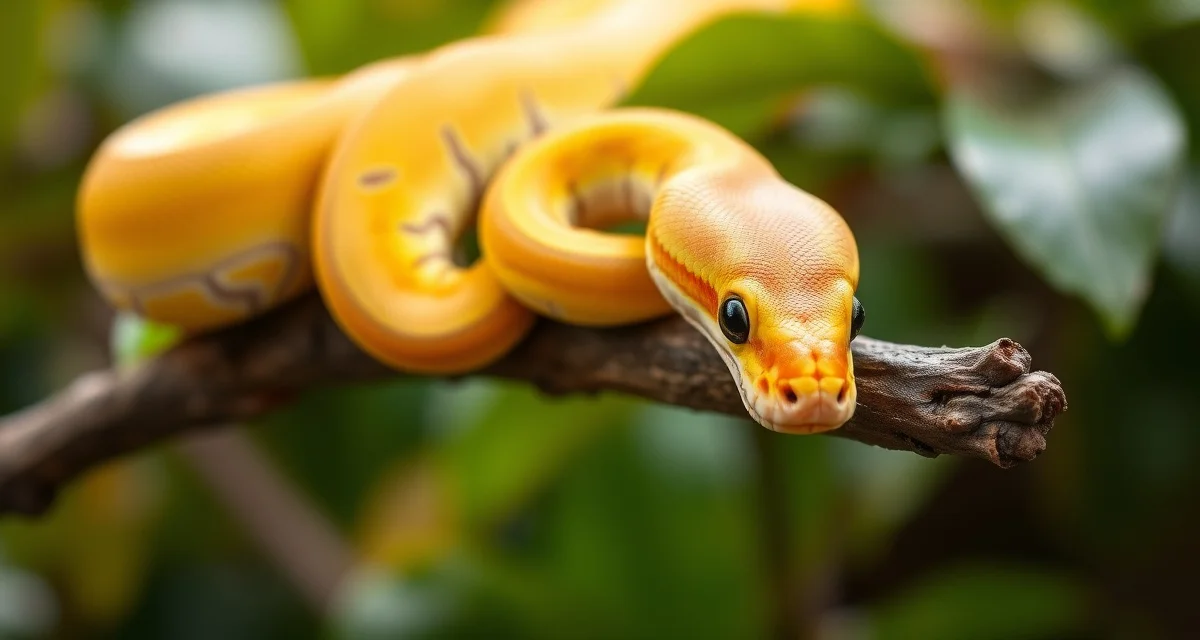
Banana Pastel is a co-dom combo with stunning commercial appeal, the yellow brightening of Pastel stacked with the vivid pink-orange of Banana produces animals that are reliably eye-catching and consistently in demand. If you're running Banana or Pastel lines, adding the other gene is a natural progression.
TL;DR
- The Banana Pastel combination requires careful planning across multiple genetic lines before visual animals can be produced.
- Recessive genes in any combination require both parents to carry the gene, making genetics guide the foundation of a successful project.
- Multi-recessive projects typically take 2-4 seasons from acquiring het stock before producing the target combination visual.
- Co-dominant genes in combinations show in single copy, allowing you to confirm the gene visually before selling or retaining animals.
- Documenting parentage for every animal in a multi-gene project is the only reliable way to maintain accurate het claims across generations.
Genetics: Banana Pastel Inheritance
Banana is co-dominant with a sex-linked component that affects offspring ratios. The male-to-female ratio in Banana offspring varies: male Bananas produce more female Banana offspring, and female Bananas produce more male Banana offspring. This is the Banana "gender bias" that breeders need to account for when planning pairings.
Pastel is standard co-dominant, no sex linkage.
Breeding Odds: Banana x Pastel
From a Banana x Pastel pairing:
- ~25% Banana Pastel (the target animal)
- ~25% Banana
- ~25% Pastel
- ~25% Normal
The Banana gender bias affects how many of your Banana Pastel offspring are male vs. female depending on whether the Banana parent is the male or female.
Female Banana x Pastel male: Most Banana offspring will be male
Male Banana x Pastel female: Most Banana offspring will be female
Plan pairings based on which sex you're targeting for your holdbacks or buyer demand.
Pricing Banana Pastel Ball Pythons
| Animal | Retail Range |
|--------|-------------|
| Banana Pastel (female) | $200-$400 |
| Banana Pastel (male) | $150-$300 |
| Banana Pastel het Pied | $350-$650 |
| Banana Pastel het Clown | $400-$700 |
| Banana Pastel Clown (visual) | $900-$1,700 |
| Banana Pastel Pied (visual) | $800-$1,500 |
Building Value Into Banana Pastel Pairings
The base Banana x Pastel pairing produces commercial animals at every phenotype level. Add het recessives and every output category increases in value.
Het Pied in both parents means your Banana Pastels, plain Bananas, plain Pastels, and normals all carry hidden Pied genetics. The entire clutch becomes more valuable.
For maximum long-term value: build toward Banana Pastel Clown or Banana Pastel Pied. These three-gene combos sell at premium and have consistent buyer demand.
Managing This Pairing in HatchLedger
The Banana gender bias makes accurate record-keeping critical. When you're tracking whether your Banana parents are male or female and what the offspring sex ratios are across clutches, that data informs future pairing decisions.
HatchLedger's hatchling inventory records sex, morph, and genetics at entry. The budget calculator shows cost per animal per clutch. Over multiple seasons, you can see whether your Banana pairing strategy is producing the sex ratios you expected, and adjust accordingly.
Related Articles
- Black Pastel Clown Ball Python: Breeding Odds, Pairings and Market Value
- Black Pastel Pied Ball Python: Breeding Odds, Pairings and Market Value
- Cinnamon Pastel Ball Python: Breeding Odds, Pairings and Market Value
- Desert Ghost Pastel Ball Python: Breeding Odds, Pairings and Market Value
FAQ
What are the breeding odds for Banana Pastel ball python?
From a Banana x Pastel pairing, approximately 25% of offspring will be Banana Pastel. The exact male/female ratio of Banana offspring depends on which parent carries the Banana gene, female Bananas produce more male Banana offspring, and male Bananas produce more female Banana offspring. Plan your pairings based on which sex you want to produce.
How do professional breeders handle Banana Pastel ball python pairings?
Experienced breeders factor in the Banana gender bias when setting up pairings. If they need female Banana Pastels for holdbacks, they'll use a male Banana parent. Most pros also build het recessive genes into both parents to ensure the entire clutch, not just the Banana Pastels, has commercial depth.
What is Banana Pastel Ball Python: Breeding Odds, Pairings and Market Value?
The Banana Pastel Ball Python is a co-dominant two-gene morph combining the yellow-brightening effect of Pastel with the vivid pink-orange tones of Banana. The result is a visually striking animal with strong commercial appeal. Because both genes are co-dominant, each shows in a single copy, making it straightforward to confirm the combination visually. It's a popular pairing for breeders already working Banana or Pastel lines looking to add market value.
How much does Banana Pastel Ball Python: Breeding Odds, Pairings and Market Value cost?
Banana Pastel Ball Pythons typically sell for $150–$400 depending on sex, lineage, and the seller's market. Female Banana Pastels generally command higher prices due to the Banana gender bias, which makes females less common from male Banana pairings. Animals with clean, high-expression color and documented parentage fetch premiums. Prices have stabilized as Banana has become more accessible, but well-produced Banana Pastels remain consistently in demand among hobbyists and new breeders.
How does Banana Pastel Ball Python: Breeding Odds, Pairings and Market Value work?
Both the Banana and Pastel genes are co-dominant, meaning each acts independently and visually expresses in a single copy. When a Banana animal is paired with a Pastel, a statistical portion of offspring inherit both genes and display the combined phenotype. There is no need for het carriers or multi-generation buildups — the visual combo can be produced in the first breeding season, provided one parent carries each gene.
What are the benefits of Banana Pastel Ball Python: Breeding Odds, Pairings and Market Value?
The primary benefit is reliable visual appeal at a relatively low genetic cost. Both genes express in one copy, so you can confirm the morph before selling and avoid the uncertainty of het animals. Banana Pastel is commercially accessible — attractive to new buyers, easy to photograph, and simple to explain. For breeders, it also serves as a strong foundation gene stack to build further combinations on top of, adding recessives over time.
Who needs Banana Pastel Ball Python: Breeding Odds, Pairings and Market Value?
Banana Pastel is well-suited for intermediate breeders who already hold Banana or Pastel animals and want to increase the market value of their clutches without committing to a long recessive project. It also appeals to newer breeders entering the hobby who want visually impressive, sellable animals from early seasons. Collectors focused on high-color co-dominant combos and breeders building toward more complex multi-gene projects will also find this pairing a productive starting point.
How long does Banana Pastel Ball Python: Breeding Odds, Pairings and Market Value take?
Because both Banana and Pastel are co-dominant, visual Banana Pastel animals can be produced in the very first breeding season — there is no multi-year het buildup required. The typical timeline from acquiring breeding stock to producing offspring is one season: conditioning animals through winter, breeding in late winter to spring, and hatching eggs roughly 55–60 days later. This makes it one of the faster projects to execute compared to any combination involving recessive genes.
Sources
- USARK (United States Association of Reptile Keepers)
- Association of Reptilian and Amphibian Veterinarians (ARAV)
- MorphMarket (reptile industry market reference)
- World of Ball Pythons (WoBP genetics reference database)
- Reptiles Magazine (Bowtie Inc.)
Get Started with HatchLedger
Building a Banana Pastel project across multiple seasons means tracking genetics, parentage, and clutch outcomes that compound in complexity year over year. HatchLedger connects all of that data in one system so your project documentation stays accurate from first pairing through final sale. Try it free with up to 20 animals.