Black Pastel Clown Ball Python: Breeding Odds, Pairings and Market Value
By HatchLedger Editorial Team · Published 2025-03-15 · Updated Mar 13, 2026
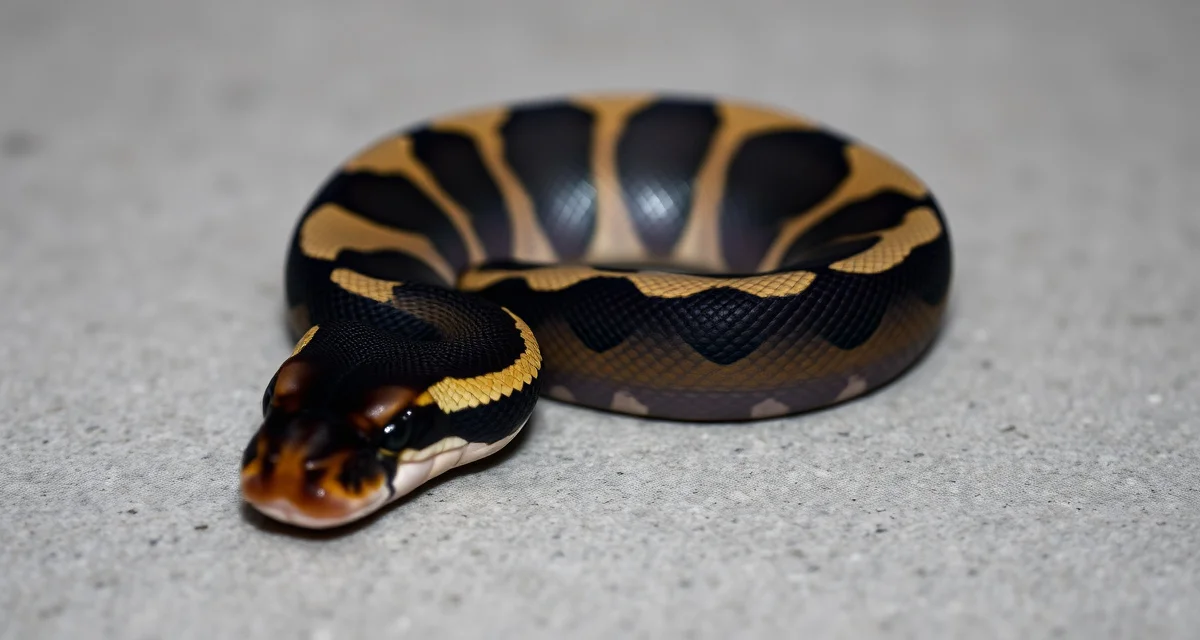
The black pastel clown ball python is one of those combos that commands attention the second it comes out of the egg. Black pastel darkens and intensifies the animal, and when that darkening effect hits the clean pattern expression of the clown gene, the result is a high-contrast, dramatic-looking animal that sells well.
TL;DR
- The Black Pastel combination requires careful planning across multiple genetic lines before visual animals can be produced.
- Recessive genes in any combination require both parents to carry the gene, making genetics guide the foundation of a successful project.
- Multi-recessive projects typically take 2-4 seasons from acquiring het stock before producing the target combination visual.
- Co-dominant genes in combinations show in single copy, allowing you to confirm the gene visually before selling or retaining animals.
- Documenting parentage for every animal in a multi-gene project is the only reliable way to maintain accurate het claims across generations.
It's not a beginner project. Getting to visual black pastel clowns requires careful planning and honest bookkeeping. Breeders using integrated software report 30% less time on administrative tasks, which matters when you're running a project this involved.
What Makes Black Pastel Clown Projects Challenging
Black pastel is codominant with a problematic super form. Super black pastel (Black Magic) is a visually distinct and viable animal, but pairing black pastel to black pastel risks producing super forms if that's not what you planned. More critically, breeders sometimes confuse cinnamon and black pastel. They're related genes with similar visual effects but different super forms.
Clown is recessive. So a black pastel clown project means you're managing a codominant with a notable super form alongside a recessive gene. You need to know your animals' genetics in detail before you pair anything.
How to Breed Black Pastel Clown Ball Pythons
Step 1: Verify Your Genetics
Before you pair, know exactly what your animals carry. Is your black pastel a true black pastel (not cinnamon)? Is your clown animal a visual clown or het clown? Do you have animals that are black pastel het clown, or are you crossing separate projects?
Verify using proven pairings and lineage documentation. The ball python morph calculator is the tool to use once you know your inputs.
Step 2: Choose Your Pairing
The most productive black pastel clown pairings:
- Black Pastel het Clown x Clown: produces black pastel clowns, black pastel het clowns, visual clowns, het clowns
- Black Pastel Clown x Normal het Clown: produces visual black pastel clowns and het-carrying normals
- Black Pastel Clown x Black Pastel het Clown: adds Super Black Pastel Clown (Black Magic Clown) potential
Super black pastel clown (Black Magic Clown) animals are rare and striking: very dark, reduced, with strong clown expression. They carry a premium when they appear.
Step 3: Condition Breeders
Get females to 1,500g or above with solid body condition before breeding season. Black pastel animals are typically good feeders. Drop night temperatures in October or November. Log every feeding and weight so your conditioning record is complete.
Step 4: Pair and Log Locks
Evening introductions work best. Log every introduction and every lock. With codominant x recessive projects, documentation is particularly important. The clutch composition depends on your animals' genetics, and buyers of het animals will want evidence of the pairing.
Reintroduce males weekly through December.
Step 5: Track Ovulation
Log ovulation as soon as you see it. That mid-body swelling is your anchor point for the whole clutch timeline. Pre-lay shed follows at 30 days, egg laying at 16-18 days after. Miss the ovulation and your hatch window becomes a guess.
Step 6: Incubate at Correct Parameters
Eggs go in at 88-90°F with high humidity. Black pastel clown clutches typically run 4-8 eggs. Mark containers clearly with full pairing data. When you're running multiple clutches across different projects, clear labeling prevents expensive mix-ups.
Hatch window is 54-60 days.
Step 7: Identify and Process Hatchlings
Black pastel clown hatchlings are visually distinct. The darkening effect of black pastel combined with clown expression is clear at hatch in visual animals. Het clowns look like black pastels or normals.
Sex everything before pricing. Black pastel clown females at retail are notably more valuable than males.
What Black Pastel Clown Ball Pythons Sell For
| Animal | Typical Range |
|--------|--------------|
| Black Pastel het Clown | $200 - $400 |
| Visual Clown | $200 - $450 |
| Black Pastel Clown | $500 - $1,000 |
| Super Black Pastel Clown (Black Magic Clown) | $1,200 - $2,500+ |
| Females | Premium +30-50% |
Black pastel clowns move well in the current market. The darkening effect makes them visually distinctive from other clown combos, and buyers who want something with impact gravitate toward them.
Common Mistakes in Black Pastel Clown Projects
Confusing cinnamon and black pastel. These genes look similar but behave differently. If you're not certain which gene your animal carries, get it tested before you build a project around it.
Not planning for super black pastel. If you pair black pastel to black pastel, even accidentally in a multi-gene project, you'll produce super black pastels. Know your project's composition.
Undervaluing visual clowns from the clutch. Even if your goal is black pastel clowns, the visual clowns in a mixed clutch are worth real money. Don't price them as byproducts.
Losing track of het animals. Black pastel het clown animals sell to other breeders. The ball python breeding hub covers how to price and market het animals from quality projects.
What is the best approach to black pastel clown ball python?
Start by verifying your animals' genetics, specifically confirming you have true black pastel (not cinnamon) and documented clown het status. Then map your clutch odds with a morph calculator before pairing. The most efficient path to visual black pastel clowns is pairing a black pastel het clown to a visual clown, which guarantees 25% of animals carry black pastel with visual clown expression.
How do professional breeders handle black pastel clown ball python?
Professional breeders document everything and verify genetics before committing to multi-year projects. They track the super form risk in black pastel pairings, price het animals fairly based on pairing documentation, and know their clutch composition before eggs hatch. Surprises are expensive. Preparation isn't.
What software helps manage black pastel clown ball python?
HatchLedger connects breeding records to clutch financials so you can track the full economics of each project. With high-value combos like black pastel clown, knowing your cost per animal and target margin is what separates profitable projects from expensive hobbies. HatchLedger handles the admin so you can focus on the animals.
Related Articles
- Asphalt Pastel Ball Python: Breeding Odds, Pairings and Market Value
- Banana Clown Ball Python: Breeding Odds, Pairings and Market Value
FAQ
What is Black Pastel Clown Ball Python: Breeding Odds, Pairings and Market Value?
The Black Pastel Clown Ball Python is a multi-gene morph combining the co-dominant Black Pastel gene with the recessive Clown gene. Black Pastel darkens and intensifies coloration, while Clown creates a distinctive reduced-pattern look with bold dorsal striping. Together they produce a high-contrast, visually dramatic animal. Producing visual Black Pastel Clowns requires careful multi-generation planning, since the Clown gene must be inherited from both parents before it expresses visually.
How much does Black Pastel Clown Ball Python: Breeding Odds, Pairings and Market Value cost?
Black Pastel Clown Ball Pythons typically sell for $300–$800 depending on sex, quality, and seller reputation, with females commanding a premium. Het Clown Black Pastels and proven breeders can fetch more. Foundational het stock to start the project costs less but adds 2–4 seasons before producing visual animals. Factor in feeding, housing, and record-keeping costs when calculating your total investment across a full breeding project.
How does Black Pastel Clown Ball Python: Breeding Odds, Pairings and Market Value work?
Black Pastel is co-dominant, meaning it shows visually in a single copy and can be confirmed before pairing. Clown is recessive, requiring one copy from each parent to produce visual offspring. To reliably produce Black Pastel Clowns, breeders pair a Black Pastel Het Clown to another Het Clown or visual Clown. Statistical odds from that pairing give roughly a 1-in-8 chance of producing a visual Black Pastel Clown per egg.
What are the benefits of Black Pastel Clown Ball Python: Breeding Odds, Pairings and Market Value?
The main benefits are strong market demand, high visual impact, and a clear upgrade path. Black Pastel Clowns sell consistently because buyers respond to their dramatic contrast. The co-dominant Black Pastel gene lets you identify and sell holdbacks with confidence early. Running this project also builds transferable skills in recessive pairing strategy, accurate het documentation, and multi-season project management that apply across your entire breeding program.
Who needs Black Pastel Clown Ball Python: Breeding Odds, Pairings and Market Value?
Experienced hobbyist and professional breeders with an established collection benefit most from this project. It requires managing het animals across multiple seasons without immediate visual payoff, so it suits breeders comfortable with recessive genetics and detailed record-keeping. It is not ideal for first-time breeders. Those already running Clown or Black Pastel projects separately are well-positioned to combine lines and move toward Black Pastel Clown production efficiently.
How long does Black Pastel Clown Ball Python: Breeding Odds, Pairings and Market Value take?
From acquiring quality Het Clown Black Pastel founder stock to producing your first visual Black Pastel Clowns, expect 2–4 breeding seasons. Year one typically involves acquiring and conditioning breeders. Years two and three involve producing and growing out het offspring. Visual animals may arrive in season two if you start with proven visual Clowns, or season three to four if working from het-to-het pairings.
What should I look for when choosing Black Pastel Clown Ball Python: Breeding Odds, Pairings and Market Value?
Prioritize animals with verified, documented het claims from reputable breeders. For Black Pastel, confirm the gene visually since it expresses in single copy. For Clown hets, look for multi-clutch proven het status or offspring-proven lineage. Avoid undocumented or unproven het claims at the foundation of your project. Animals with clear parentage records, feeding history, and health documentation are worth paying more for at the start.
Is Black Pastel Clown Ball Python: Breeding Odds, Pairings and Market Value worth it?
Yes, for breeders ready for a multi-season commitment. Black Pastel Clowns hold value, produce eye-catching offspring that sell reliably, and the project builds long-term genetic inventory. The challenge is patience and administrative discipline across multiple seasons. Breeders who document every pairing, track het probabilities accurately, and plan pairings strategically will find the return on investment solid. Cutting corners on record-keeping is the most common reason breeders lose track of het claims mid-project.
Sources
- USARK (United States Association of Reptile Keepers)
- Association of Reptilian and Amphibian Veterinarians (ARAV)
- MorphMarket (reptile industry market reference)
- World of Ball Pythons (WoBP genetics reference database)
- Reptiles Magazine (Bowtie Inc.)
Get Started with HatchLedger
Building a Black Pastel project across multiple seasons means tracking genetics, parentage, and clutch outcomes that compound in complexity year over year. HatchLedger connects all of that data in one system so your project documentation stays accurate from first pairing through final sale. Try it free with up to 20 animals.