Enchi Clown Ball Python: Breeding Odds, Pairings and Market Value
By HatchLedger Editorial Team · Published 2025-04-20 · Updated Mar 13, 2026
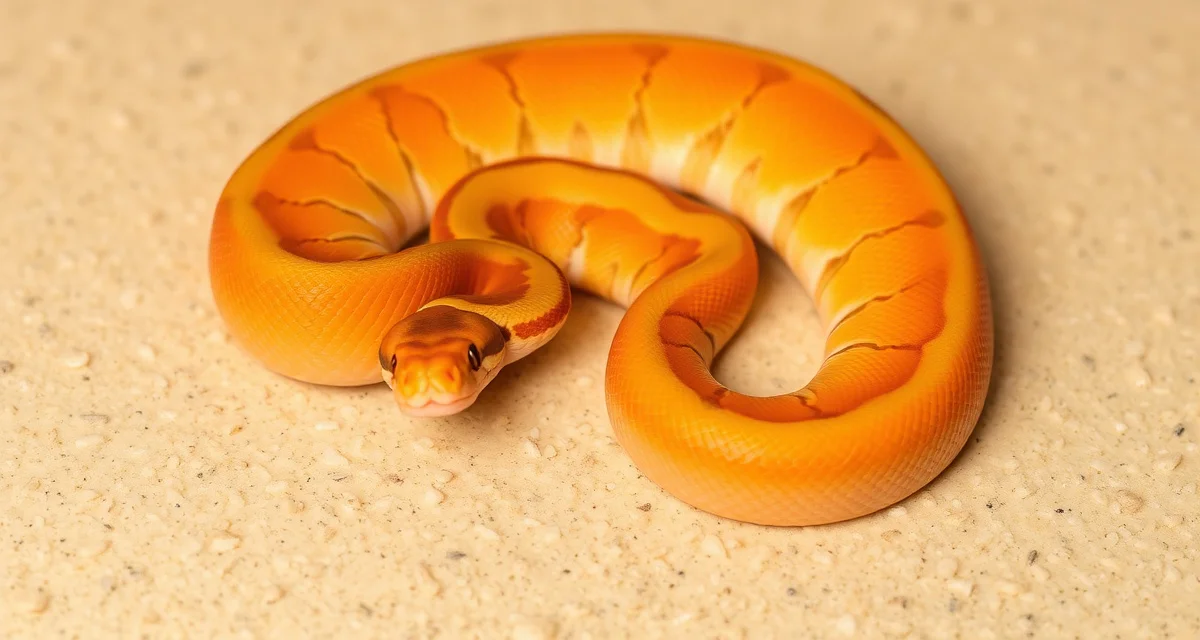
Enchi Clown is a three-gene combo, one co-dominant (Enchi) stacked on top of a double-recessive (Clown). The result is an animal with the vivid orange amplification of Enchi combined with the distinctive reduced dorsal pattern and alien-head clustering of Clown. It's a consistently sellable combo that I've produced for several seasons. Buyers who want visual drama at a mid-tier price point seek Enchi Clown actively.
TL;DR
- The Enchi Clown combination requires careful planning across multiple genetic lines before visual animals can be produced.
- Recessive genes in any combination require both parents to carry the gene, making genetics guide the foundation of a successful project.
- Multi-recessive projects typically take 2-4 seasons from acquiring het stock before producing the target combination visual.
- Co-dominant genes in combinations show in single copy, allowing you to confirm the gene visually before selling or retaining animals.
- Documenting parentage for every animal in a multi-gene project is the only reliable way to maintain accurate het claims across generations.
Genetics: How to Produce Enchi Clown
Clown is recessive, you need two copies. Enchi is co-dominant, one copy is visible. To produce Enchi Clown, you need:
- One parent that is visual Clown (two Clown copies) OR
- Both parents carrying one Clown copy (het x het) with one or both parents carrying Enchi
Most Efficient Route
Enchi Clown x Normal: 50% Enchi het Clown, 50% het Clown, no visual Clown offspring but all offspring are commercially valuable hets.
Enchi het Clown x het Clown: This gives you a mix:
- 1/8 Enchi Clown (visual)
- 2/8 Enchi het Clown
- 1/8 Clown
- 2/8 het Clown
- 1/8 Enchi (no Clown)
- 1/8 Normal
Visual Clown x Enchi het Clown: 25% Enchi Clown, 25% Clown, 25% Enchi het Clown, 25% het Clown, the most visual-heavy output.
Pricing Enchi Clown Ball Pythons
| Animal | Retail Range |
|--------|-------------|
| Enchi Clown (female) | $900-$1,600 |
| Enchi Clown (male) | $600-$1,100 |
| Visual Clown het not Enchi | $500-$900 |
| Enchi het Clown (female) | $300-$550 |
| Enchi het Clown (male) | $200-$400 |
| Het Clown (from Enchi Clown pairing) | $150-$300 |
Building an Enchi Clown Project
Year 1
Start with Enchi het Clown animals or a visual Clown. A quality Enchi het Clown female typically runs $300-$500. Pair her with a het Clown male that also carries Pastel or another co-dom, adding color genes to the Clown line increases every output category's value.
Years 2-3
Your first Enchi Clowns emerge. Hold quality females as breeders. Pair Enchi Clown female to Enchi het Clown male for 50% Enchi Clown offspring, this is extremely efficient production once you have a visual Enchi Clown female.
Adding Co-Doms
A Pastel Enchi Clown is worth $1,500-$2,800. Building Pastel into your Enchi Clown line doesn't require separate infrastructure, just route your pairings through Pastel-carrying animals from the start.
Tracking Enchi Clown Projects in HatchLedger
The pairing math for Enchi Clown projects involves multiple simultaneous het tracking and three-gene combinations. HatchLedger's lineage engine records each animal's full genetic status, Enchi, het Clown, possible het Clown, visual Clown, and generates expected offspring ratios when you plan a pairing in the breeding season planner.
When a visual Enchi Clown hatches, the buyer pack generator creates documentation showing both parents' genetics and the lineage back to the original foundation animals. That documentation justifies premium pricing.
Related Articles
- Cinnamon Clown Ball Python: Breeding Odds, Pairings and Market Value
- Clown Pied Ball Python: Breeding Odds, Pairings and Market Value
- Enchi Pastel Ball Python: Breeding Odds, Pairings and Market Value
- Enchi Pied Ball Python: Breeding Odds, Pairings and Market Value
FAQ
What are the breeding odds for Enchi Clown ball python?
From a Visual Clown x Enchi het Clown pairing, you get 25% Enchi Clown, 25% Clown, 25% Enchi het Clown, and 25% het Clown. From an Enchi het Clown x het Clown pairing, you get 1/8 Enchi Clown visuals, about 12.5% of eggs, or statistically one Enchi Clown per 8 eggs produced.
How do professional breeders handle Enchi Clown ball python production?
Most experienced breeders work toward the Enchi Clown x het Clown or Enchi Clown x Enchi het Clown pairing once they produce their first visual. From that point, 25-50% of every clutch is visual Enchi Clown, making production efficient. Building Pastel or other co-doms into the line simultaneously creates a range of price points within each clutch.
What is Enchi Clown Ball Python: Breeding Odds, Pairings and Market Value?
The Enchi Clown Ball Python is a three-gene combo morph combining Enchi (co-dominant) with Clown (double recessive). The result is a visually striking animal featuring Enchi's vivid orange color amplification layered over Clown's reduced dorsal pattern and distinctive alien-head clustering. It's a mid-tier combo that consistently attracts buyers seeking high visual impact without the premium price of rarer multi-gene projects.
How much does Enchi Clown Ball Python: Breeding Odds, Pairings and Market Value cost?
Enchi Clown Ball Pythons typically sell in the $300–$800 range depending on sex, lineage, and additional genes. Females command higher prices due to breeding value. Het Clown animals carrying the Enchi gene sell for less but are essential project stock. Prices vary by breeder reputation and market timing, so checking current listings on MorphMarket gives the most accurate real-time pricing.
How does Enchi Clown Ball Python: Breeding Odds, Pairings and Market Value work?
Producing Enchi Clown requires stacking a co-dominant gene (Enchi) onto a double-recessive (Clown). At minimum, one parent must be visual Clown and the other must carry Enchi, or both parents must carry at least one Clown allele. Because Clown is recessive, both parents must contribute the gene. Enchi shows visually in single copy, making it easier to confirm and select in each generation.
What are the benefits of Enchi Clown Ball Python: Breeding Odds, Pairings and Market Value?
The main advantage of breeding Enchi Clown is the combination of visual reliability and market demand. Enchi's co-dominant nature means you can confirm it visually before selling, reducing guesswork. Clown's strong market appeal ensures produced animals sell readily. The combo sits at a sweet spot—dramatic enough to attract buyers, mid-range enough to move quickly, making it a practical choice for breeders building sustainable inventory.
Who needs Enchi Clown Ball Python: Breeding Odds, Pairings and Market Value?
Enchi Clown projects suit intermediate to experienced reptile breeders comfortable working with recessive genetics across multiple seasons. Collectors seeking a visually impressive ball python at a mid-tier price are the primary buyers. Breeders looking to produce sellable combos without investing in ultra-rare morphs will find this project financially accessible. It's also a strong entry point for breeders wanting to learn multi-gene recessive project management.
How long does Enchi Clown Ball Python: Breeding Odds, Pairings and Market Value take?
Multi-recessive projects like Enchi Clown typically require 2–4 breeding seasons from acquiring initial het stock before producing visual target animals. The first season establishes het pairings, subsequent seasons refine odds and confirm genetics. If starting with visual Clown animals already in your collection and adding Enchi, the timeline shortens significantly. Accurate parentage documentation throughout each generation is essential for maintaining reliable het claims.
Sources
- USARK (United States Association of Reptile Keepers)
- Association of Reptilian and Amphibian Veterinarians (ARAV)
- MorphMarket (reptile industry market reference)
- World of Ball Pythons (WoBP genetics reference database)
- Reptiles Magazine (Bowtie Inc.)
Get Started with HatchLedger
Building a Enchi Clown project across multiple seasons means tracking genetics, parentage, and clutch outcomes that compound in complexity year over year. HatchLedger connects all of that data in one system so your project documentation stays accurate from first pairing through final sale. Try it free with up to 20 animals.