Ghi Mojave Ball Python: Breeding Odds, Pairings and Market Value
By HatchLedger Editorial Team · Published 2025-06-27 · Updated Mar 13, 2026
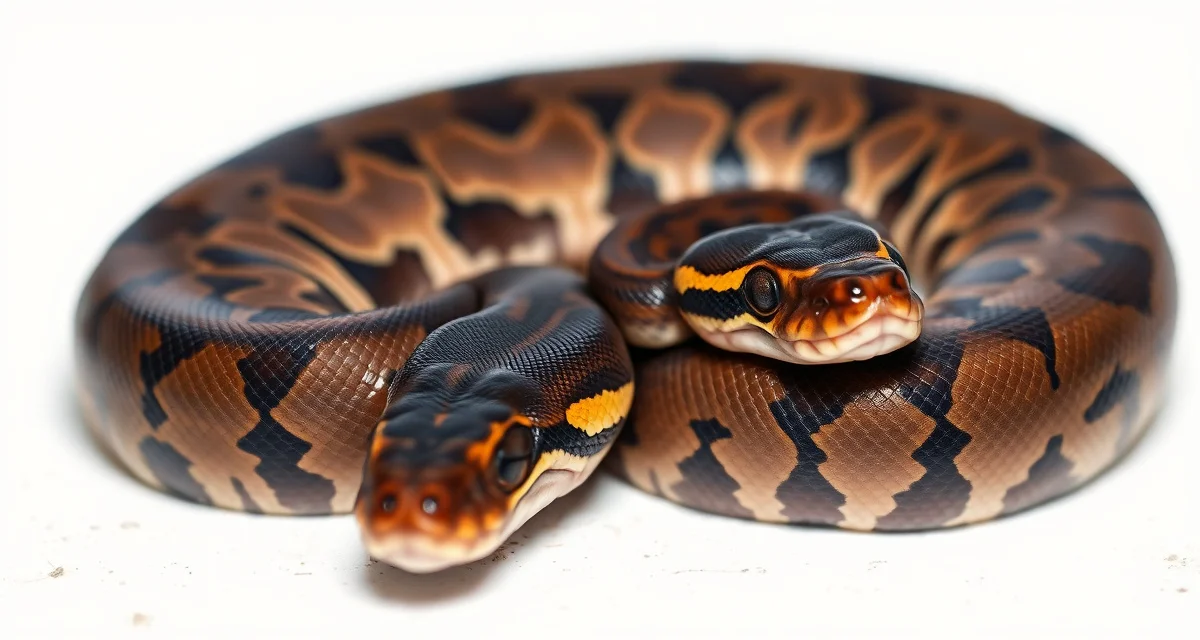
GHI Mojave is a two-gene co-dom combo with a fascinating visual outcome. GHI darkens the base coloration and disrupts pattern while Mojave adds BEL pathway access and its characteristic pattern modification. Together they produce animals with a distinctive dark, complex appearance, and when you produce Super GHI Mojave (which touches BEL pathway territory), you can get unusual near-black patterned animals with BEL genetics inside.
TL;DR
- The Ghi Mojave combination requires careful planning across multiple genetic lines before visual animals can be produced.
- Recessive genes in any combination require both parents to carry the gene, making genetics guide the foundation of a successful project.
- Multi-recessive projects typically take 2-4 seasons from acquiring het stock before producing the target combination visual.
- Co-dominant genes in combinations show in single copy, allowing you to confirm the gene visually before selling or retaining animals.
- Documenting parentage for every animal in a multi-gene project is the only reliable way to maintain accurate het claims across generations.
Genetics: GHI Mojave Inheritance
Both GHI and Mojave are co-dominant. Standard ratios from GHI x Mojave pairing:
- 25% GHI
- 25% Mojave
- 25% GHI Mojave
- 25% Normal
No lethal gene concerns. Every animal is commercially saleable.
GHI Mojave Appearance
GHI Mojave animals are dark, the GHI darkening effect over the Mojave pattern modification creates complex, layered visual interest. The belly typically shows the expanded white coloration common to both GHI and Mojave, creating strong contrast with the dark dorsal pattern. These are unusual-looking animals that attract buyers who want something outside the yellow-orange mainstream. Retail: $300-$600.
The BEL Pathway Consideration
Mojave carries BEL pathway access. When you pair GHI Mojave x GHI Mojave, you produce Super GHI Mojave (which is actually a BEL), dark genetics inside a white-bodied animal. Super GHI Mojave is an unusual BEL variant that commands premium pricing: $600-$1,000.
GHI Mojave Combos
- GHI Mojave Pastel: vivid contrast, bright Pastel over dark GHI Mojave base; retail $400-$800
- GHI Mojave Clown: dark, unusual combo; retail $900-$1,700
- GHI Mojave Pied: dark saddles on white base; retail $900-$1,700
- GHI Mojave Enchi: orange fighting against the dark GHI; retail $500-$900
Breeding GHI Mojave Ball Pythons
Standard Production
GHI x Mojave is the production pairing. Every animal is sellable. Add recessives to both parents and the floor value on every hatchling rises.
GHI Mojave as a breeder can be paired to Clown or Pied lines, the dark aesthetic of GHI Mojave Clown or GHI Mojave Pied is commercially strong in the niche "dark combo" buyer segment.
Season and Incubation
October-March breeding season. 88-90°F, 88-100% humidity, 55-65 days. Log all pairings and lock dates in HatchLedger's breeding season planner.
Pricing GHI Mojave Ball Pythons
| Animal | Retail Range |
|--------|-------------|
| GHI Mojave (female) | $400-$700 |
| GHI Mojave (male) | $275-$500 |
| Super GHI Mojave (BEL variant) | $600-$1,000 |
| GHI Mojave Pastel | $400-$800 |
| GHI Mojave Clown | $900-$1,700 |
| GHI Mojave Pied | $900-$1,700 |
Related Articles
- Albino Pastel Ball Python: Breeding Odds, Pairings and Market Value
- Asphalt Pastel Ball Python: Breeding Odds, Pairings and Market Value
- Axanthic Clown Ball Python: Breeding Odds, Pairings and Market Value
- Axanthic Pied Ball Python: Breeding Odds, Pairings and Market Value
FAQ
What are the breeding odds for GHI Mojave ball python?
From a GHI x Mojave pairing, 25% of offspring are GHI Mojave. From two GHI Mojave parents, you get 25% Super GHI Mojave (BEL variant), 50% GHI Mojave, 25% normal, all commercially valuable. Every GHI Mojave x GHI Mojave clutch also carries risk of no-gene normals (25%) and valuable BEL animals (25%).
How do professional breeders use GHI Mojave in their programs?
Most experienced breeders treat GHI Mojave as a dual-purpose combo: it creates commercial animals at the $300-$600 level while also providing BEL pathway access for when they want to produce unusual BEL variants. Building Clown or Pied into GHI Mojave lines targets a specific dark-combo buyer segment with less competition than mainstream Pastel/Clown projects.
What is Ghi Mojave Ball Python: Breeding Odds, Pairings and Market Value?
The GHI Mojave ball python is a two-gene co-dominant combination morph produced by pairing GHI and Mojave ball pythons. GHI darkens base coloration and disrupts pattern while Mojave contributes BEL pathway genetics and its own pattern modification. The result is a visually striking animal with a dark, complex appearance. When both genes are in super form, breeders can produce unusual near-black patterned animals that also carry BEL complex genetics internally.
How much does Ghi Mojave Ball Python: Breeding Odds, Pairings and Market Value cost?
GHI Mojave ball pythons typically range from $150 to $500+ depending on quality, lineage, and whether additional genes are present. Base GHI Mojave combos sit at the lower end of that range, while animals carrying additional co-dominant or recessive genes command significantly higher prices. Super GHI Mojave and multi-gene combos involving recessive traits like clown or pied can push pricing well above $500 given the reduced breeding odds and added visual impact.
How does Ghi Mojave Ball Python: Breeding Odds, Pairings and Market Value work?
GHI Mojave is produced by pairing a GHI ball python with a Mojave ball python. Because both genes are co-dominant, they express visually in single copy and combine predictably. A standard GHI x Mojave pairing yields 25% GHI, 25% Mojave, 25% GHI Mojave, and 25% Normal offspring. There are no lethal gene concerns with this combination. Each gene can be visually confirmed in offspring before animals are sold or retained for future pairings.
What are the benefits of Ghi Mojave Ball Python: Breeding Odds, Pairings and Market Value?
The main benefit of working with GHI Mojave is visual predictability. Both genes are co-dominant, so breeders can confirm gene presence by eye without waiting on het-proving. The combination produces aesthetically distinctive animals with strong market appeal, and it also opens access to BEL pathway genetics through the Mojave component. Super GHI Mojave offspring add another layer of visual interest. The lack of lethal gene concerns makes this a lower-risk pairing compared to combinations involving genes like spider or champagne.
Who needs Ghi Mojave Ball Python: Breeding Odds, Pairings and Market Value?
This combination is well-suited for intermediate to advanced ball python breeders who want to work with visually complex morphs while maintaining manageable genetic ratios. Breeders building toward multi-gene projects involving recessive genes like clown or pied will find GHI Mojave a strong foundation. Collectors seeking distinctive, dark-patterned animals are the primary market. Anyone drawn to the BEL complex but wanting more visual complexity than a standard Mojave or Lesser will find GHI Mojave an appealing project direction.
How long does Ghi Mojave Ball Python: Breeding Odds, Pairings and Market Value take?
Because both GHI and Mojave are co-dominant, visual GHI Mojave animals can appear in the first breeding season once both parent morphs are on hand. There is no need to prove out het animals before producing visible combos. However, if the project involves adding recessive genes, expect 2 to 4 breeding seasons from acquiring het stock before producing visual multi-gene animals. Consistent parentage documentation from the start is essential to maintaining accurate genetic records across those generations.
Sources
- USARK (United States Association of Reptile Keepers)
- Association of Reptilian and Amphibian Veterinarians (ARAV)
- MorphMarket (reptile industry market reference)
- World of Ball Pythons (WoBP genetics reference database)
- Reptiles Magazine (Bowtie Inc.)
Get Started with HatchLedger
Building a Ghi Mojave project across multiple seasons means tracking genetics, parentage, and clutch outcomes that compound in complexity year over year. HatchLedger connects all of that data in one system so your project documentation stays accurate from first pairing through final sale. Try it free with up to 20 animals.