Mojave Pied Ball Python: Breeding Odds, Pairings and Market Value
By HatchLedger Editorial Team · Published 2025-04-14 · Updated Mar 13, 2026
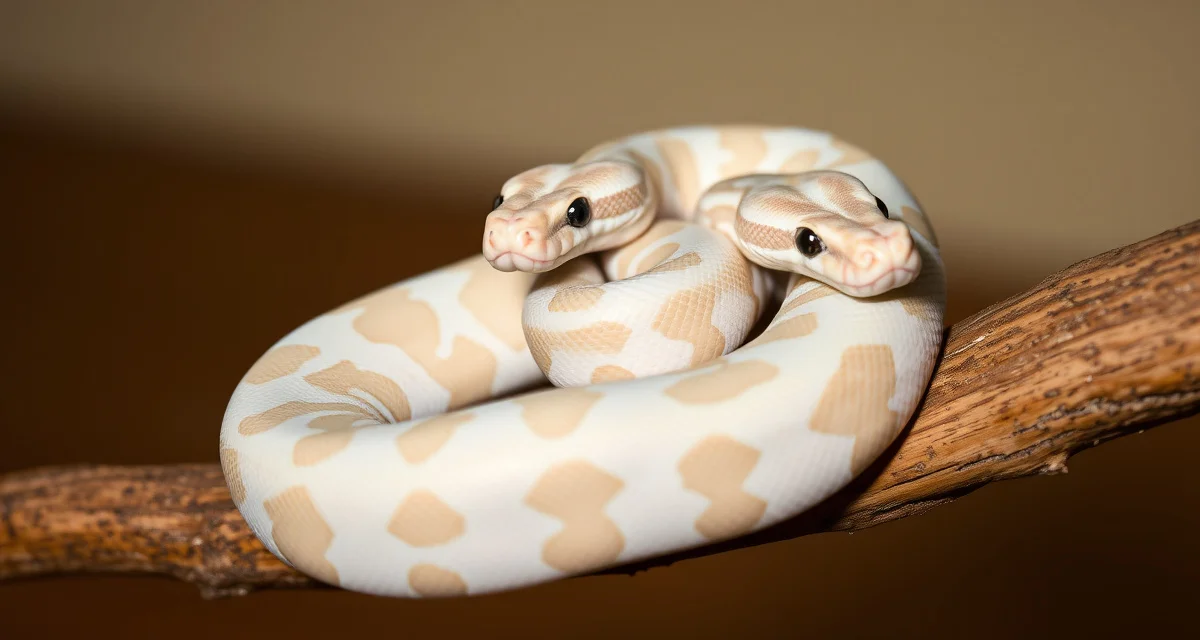
Mojave Pied is a visually striking combination, Mojave's BEL-pathway pattern modification layered over Pied's white base and colored saddles. The combination produces animals with a lighter, cleaner Pied expression that often shows less defined pattern within the saddles and an overall more refined appearance. It's a natural target for breeders running both Mojave and Pied lines.
TL;DR
- The Mojave Pied combination requires careful planning across multiple genetic lines before visual animals can be produced.
- Recessive genes in any combination require both parents to carry the gene, making genetics guide the foundation of a successful project.
- Multi-recessive projects typically take 2-4 seasons from acquiring het stock before producing the target combination visual.
- Co-dominant genes in combinations show in single copy, allowing you to confirm the gene visually before selling or retaining animals.
- Documenting parentage for every animal in a multi-gene project is the only reliable way to maintain accurate het claims across generations.
Genetics: Producing Mojave Pied
Mojave is co-dominant. Pied is recessive (two copies required). To produce Mojave Pied, one parent carries Mojave and at least one parent carries het Pied.
Production routes:
Mojave het Pied x het Pied:
- 25% Mojave Pied (visual)
- 25% Mojave het Pied
- 25% Visual Pied (no Mojave)
- 25% het Pied
Visual Pied x Mojave het Pied:
- 25% Mojave Pied
- 25% Visual Pied
- 25% Mojave het Pied
- 25% het Pied
Both routes are efficient. Having a visual Pied female as the anchor produces Pied animals in every clutch.
Mojave Pied and BEL Pathway
The Mojave gene gives these animals potential BEL pathway value. Mojave Pied animals bred to other BEL complex animals produce interesting genetic combinations, though the visual Pied trait is independent of the BEL pathway.
Pricing Mojave Pied Ball Pythons
| Animal | Retail Range |
|--------|-------------|
| Mojave Pied (female) | $700-$1,300 |
| Mojave Pied (male) | $500-$900 |
| Visual Pied (no Mojave) | $400-$750 |
| Mojave het Pied (female) | $200-$400 |
| Mojave het Pied (male) | $150-$300 |
Building Toward Mojave Pied
If you have an established Pied line, adding Mojave through the male side is straightforward. A Mojave het Pied male paired to your visual Pied females produces Mojave Pied offspring in 25% of eggs, efficient production.
Adding Pastel or Enchi to the Mojave het Pied male adds additional co-dom value to the non-Pied offspring in the clutch.
Tracking in HatchLedger
Record both the Mojave and Pied status for every offspring from this pairing. Mojave Pied animals need both gene markers in their HatchLedger record for accurate buyer documentation. The lineage engine connects each offspring to both parents automatically.
Related Articles
- Clown Pied Ball Python: Breeding Odds, Pairings and Market Value
- Coral Glow Pied Ball Python: Breeding Odds, Pairings and Market Value
- Enchi Pied Ball Python: Breeding Odds, Pairings and Market Value
- Fire Pied Ball Python: Breeding Odds, Pairings and Market Value
FAQ
What are the breeding odds for Mojave Pied ball python?
From a Mojave het Pied x het Pied pairing or a Visual Pied x Mojave het Pied pairing, 25% of offspring will be visual Mojave Pied. A typical 6-egg clutch produces statistically 1-2 visual Pied animals (some Mojave, some without).
How do professional breeders handle Mojave Pied ball python pairings?
Most experienced breeders anchor their Pied production on a visual Pied female and introduce Mojave genetics through their male. This guarantees visual Pieds in every clutch while progressively building Mojave into the Pied line. Adding Pastel or other co-doms to the male side raises the value of all non-Pied offspring in the clutch.
What is Mojave Pied Ball Python: Breeding Odds, Pairings and Market Value?
The Mojave Pied Ball Python is a designer morph combining the Mojave co-dominant gene with the recessive Pied gene. Mojave modifies Pied's characteristic white-and-colored saddle pattern, producing animals with a lighter, cleaner appearance and less defined saddle patterning. It's a sought-after combination among ball python breeders running both Mojave and Pied lines, prized for its refined visual expression compared to standard Pied animals.
How much does Mojave Pied Ball Python: Breeding Odds, Pairings and Market Value cost?
Mojave Pied Ball Pythons typically sell for $300–$800+ depending on the breeder, lineage, sex, and overall pattern quality. Female animals command a premium due to breeding value. Pricing varies with market trends and whether the animal carries additional genes. Het Pied animals carrying Mojave are more affordable, while visual Mojave Pieds with strong pattern contrast and clean white areas fetch the highest prices.
How does Mojave Pied Ball Python: Breeding Odds, Pairings and Market Value work?
Producing Mojave Pied requires pairing animals carrying both the Mojave and Pied genes. Because Pied is recessive, both parents must carry at least one copy. The most efficient pairing is Mojave het Pied x het Pied, which yields a 25% chance of visual Mojave Pied offspring per egg. Mojave is co-dominant and shows in single copy, so it can be confirmed visually before breeding animals onward.
What are the benefits of Mojave Pied Ball Python: Breeding Odds, Pairings and Market Value?
The Mojave Pied combination offers breeders a visually distinctive animal with a cleaner, more refined Pied expression compared to standard Pieds. Mojave's pattern-modifying effect creates lighter saddles and a more polished overall look. The combo also produces valuable co-products like Mojave het Pied holdbacks, which are useful for continuing the project. As a two-gene combo, it's accessible enough for intermediate breeders while still commanding strong market demand.
Who needs Mojave Pied Ball Python: Breeding Odds, Pairings and Market Value?
Mojave Pied Ball Pythons are ideal for intermediate to advanced ball python breeders already working with Pied or BEL-complex projects. Collectors seeking visually striking designer morphs are the primary buyers. Breeders building toward more complex multi-gene combos—such as Super Mojave Pied or triple-recessive projects—also use Mojave Pied as a foundational stepping stone. This morph suits anyone who values clean patterning and strong resale value in their breeding program.
How long does Mojave Pied Ball Python: Breeding Odds, Pairings and Market Value take?
From acquiring het stock to producing visual Mojave Pied animals typically takes 2–4 breeding seasons. The first season is spent pairing het animals, the second hatching and growing out offspring, and subsequent seasons refining the project with proven pairings. Incubation runs approximately 55–60 days per clutch. Careful record-keeping of het claims throughout each generation is essential to maintain accurate lineage documentation across the full project timeline.
Sources
- USARK (United States Association of Reptile Keepers)
- Association of Reptilian and Amphibian Veterinarians (ARAV)
- MorphMarket (reptile industry market reference)
- World of Ball Pythons (WoBP genetics reference database)
- Reptiles Magazine (Bowtie Inc.)
Get Started with HatchLedger
Building a Mojave Pied project across multiple seasons means tracking genetics, parentage, and clutch outcomes that compound in complexity year over year. HatchLedger connects all of that data in one system so your project documentation stays accurate from first pairing through final sale. Try it free with up to 20 animals.