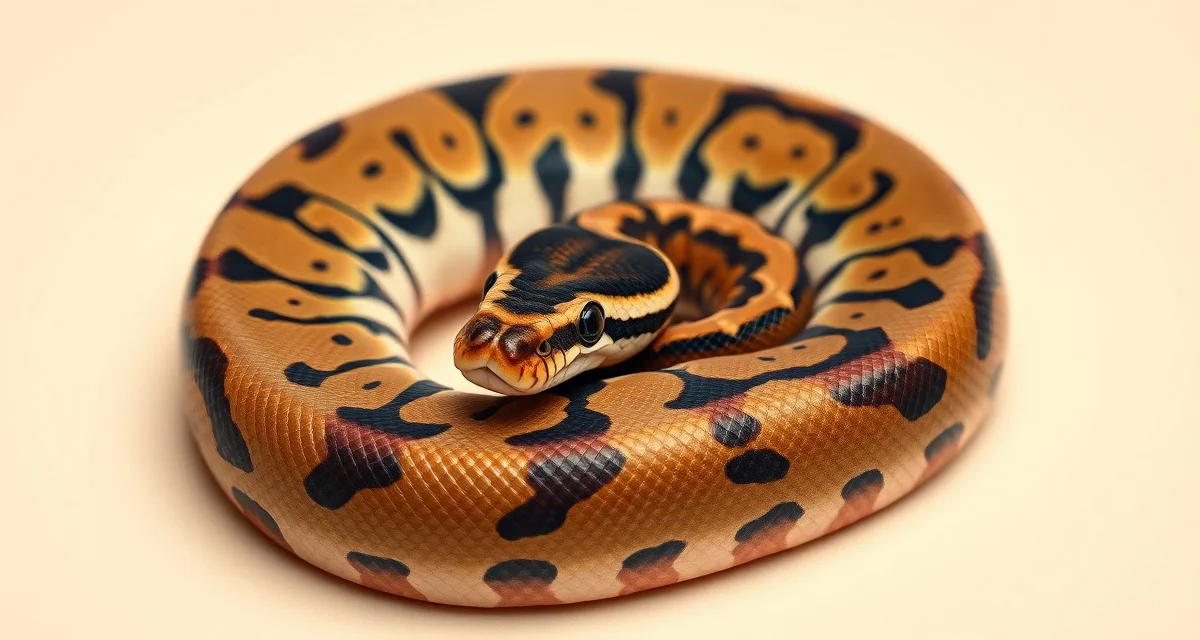
Leopard Clown Ball Python: Breeding Odds, Pairings and Market Value
By HatchLedger Editorial Team · Published 2025-06-03 · Updated Mar 13, 2026
The leopard clown ball python doesn't get as much attention as some of the flashier clown combos, but breeders who've worked with it know it produces some striking animals. The leopard gene adds a distinct reduced-pattern, busy-headed look that pairs beautifully with the clean expression of the clown gene. Together, they make something genuinely interesting.
TL;DR
- The Leopard Clown combination requires careful planning across multiple genetic lines before visual animals can be produced.
- Recessive genes in any combination require both parents to carry the gene, making genetics guide the foundation of a successful project.
- Multi-recessive projects typically take 2-4 seasons from acquiring het stock before producing the target combination visual.
- Co-dominant genes in combinations show in single copy, allowing you to confirm the gene visually before selling or retaining animals.
- Documenting parentage for every animal in a multi-gene project is the only reliable way to maintain accurate het claims across generations.
If you're considering adding leopard clown to your breeding program, breeders using integrated software report 30% less time on administrative tasks, which means more time focused on the animals that matter.
The Real Challenge with Leopard Clown Projects
Leopard is one of those genes that trips breeders up. It's codominant, but visually subtle on its own. The super form is a different animal, almost completely pattern-free with a unique head stamp. When you stack it with clown, the visual effect is compelling. The problem is that new breeders don't always recognize the leopard gene in hatchlings without a reference, so identification errors happen.
The other challenge is that leopard clown animals aren't yet priced as high as some other clown combos, which means your margin comes down to production efficiency. You need to know your costs.
How to Breed Leopard Clown Ball Pythons
Step 1: Know Your Genetics Before You Pair
Leopard clown projects can go wrong fast if you don't know exactly what genes your animals are carrying. Leopard is codominant, so a visual leopard has two doses. When paired to produce leopard clowns, you're typically working with single-gene leopards carrying the het clown trait.
Map out every pairing possibility using the ball python morph calculator before you commit an animal to a breeding project planner.
Step 2: Select Your Best Pairing Strategy
Common productive pairings for leopard clown ball pythons include:
- Leopard het Clown x Clown: produces leopard clowns, leopard het clowns, visual clowns, het clowns
- Leopard Clown x Normal het Clown: cleaner split of visual and het animals
- Leopard Clown x Leopard het Clown: adds Super Leopard Clown to the clutch
The Super Leopard Clown is the prize animal in these projects: dramatically reduced pattern, strong clown expression, a ghost-like animal with serious collector appeal.
Step 3: Condition Your Breeders
Both animals need to be in peak condition. Female ball pythons should be at least 1,500g before breeding season, with good body condition. Leopard animals tend to be consistent feeders, which helps.
Start cooling in October or November. Drop night temperatures into the low 70s°F to trigger reproductive behavior. Log every feeding and weight through the conditioning period.
Step 4: Introduce and Monitor Pairings
Introduce males at night. Leopard males breed well and typically lock without extended coaxing. Log every introduction and every confirmed lock. Multiple locks across November and December give you the best fertility odds.
Pull males after 2-3 days per introduction and rotate them if you're running multiple females.
Step 5: Identify Ovulation and Time the Clutch
Watch your females daily once breeding starts. Ovulation is a distinct mid-body swelling. You'll see it clearly if you're looking. Log the date immediately.
Pre-lay shed follows roughly 30 days post-ovulation. Egg laying happens 16-18 days after that. If you track ovulation precisely, you'll know your lay window within a day or two.
Step 6: Incubate and Monitor Eggs
Move eggs to your incubator at 88-90°F and high humidity (95%+). Leopard clown clutches average 4-8 eggs. Mark containers with full pairing data and lay dates.
Check eggs weekly for any signs of mold or collapse. Healthy eggs should feel firm and continue to swell slightly as incubation progresses. Hatch window is 54-60 days.
Step 7: Process Hatchlings and Assign Value
Leopard clown hatchlings are identifiable at birth if you know what to look for. The leopard gene creates a pattern change you'll see against the clown background. Sex every animal before you do anything else, because females add real value.
Document sex, morph ID, hatch weight, and first feeding response. This data supports your asking price and reassures buyers.
What Leopard Clown Ball Pythons Sell For
| Animal | Typical Range |
|--------|--------------|
| Leopard het Clown | $120 - $250 |
| Visual Clown | $200 - $450 |
| Leopard Clown | $350 - $700 |
| Super Leopard Clown | $700 - $1,400+ |
| Females | Premium +30-50% |
Market prices shift with supply. Super leopard clowns remain relatively uncommon, which keeps pricing strong for well-produced animals.
Common Mistakes Breeders Make
Misidentifying leopard in hatchlings. The gene can be subtle in babies. Compare against known leopard animals and use reference photos before committing to a morph ID.
Undervaluing het clown animals. Leopard het clowns sell to other breeders working their own projects. Don't price them like you're desperate to move them.
Skipping post-lay female recovery. A female that produced a good clutch needs several large meals before she'll be ready for next season. Don't rush it.
Losing track of clutch costs. The ball python breeding hub goes deep on why clutch-level cost tracking matters, and why breeders who don't do it consistently underperform.
What is the best approach to leopard clown ball python?
The best approach is to start with animals whose genetics you can verify. Work backward from the hatchlings you want to produce. If you want Super Leopard Clowns, you need Leopard Clowns in your project. Pair with intention, document everything from ovulation to hatch, and know your target price before eggs hit the incubator.
How do professional breeders handle leopard clown ball python?
Professional breeders treat leopard clown projects like any other business investment: they know their cost per egg, per hatchling, and per clutch. They log every lock, every ovulation, every feeding so their data tells a story. When buyers ask questions, they have answers. That builds reputation and repeat business.
What software helps manage leopard clown ball python?
HatchLedger connects husbandry records directly to clutch financials, so you can track pairings, incubation timelines, and production costs all in one place. When hatchlings arrive, you're not guessing. You know what each animal cost to produce and what it needs to sell for. That's the difference between running a hobby and running a business.
Related Articles
FAQ
What is Leopard Clown Ball Python: Breeding Odds, Pairings and Market Value?
The Leopard Clown Ball Python is a multi-gene morph combining the co-dominant Leopard gene with the recessive Clown gene. The Leopard gene reduces pattern and creates a busy, detailed head stamp, while Clown adds a distinctive clean, reduced body pattern with bold coloration. Together they produce a visually striking animal that stands out from standard Clown combos. Producing visual Leopard Clowns requires careful pairing across multiple generations, as both recessive alleles must be present in the offspring.
How much does Leopard Clown Ball Python: Breeding Odds, Pairings and Market Value cost?
Leopard Clown Ball Pythons typically range from $300 to $800+ depending on sex, additional genes, and lineage. Females command a premium due to breeding value. Het animals are significantly cheaper, often $50–$150, but require additional breeding seasons to produce visuals. Pricing fluctuates with market saturation, so researching current listings on reptile marketplaces and connecting with established breeders will give you the most accurate snapshot of what the combo is selling for at any given time.
How does Leopard Clown Ball Python: Breeding Odds, Pairings and Market Value work?
Producing a Leopard Clown requires both the Leopard and Clown genes to express simultaneously. Leopard is co-dominant, meaning it shows visually in a single copy and can be confirmed in offspring before selling. Clown is recessive, so both parents must carry at least one copy for it to appear. A typical project path involves pairing a visual Leopard to a het Clown, producing het offspring, then pairing those hets together to achieve the 1-in-16 statistical chance of a visual Leopard Clown.
What are the benefits of Leopard Clown Ball Python: Breeding Odds, Pairings and Market Value?
Leopard Clown is a rewarding project because the Leopard gene is visually confirmable early, letting breeders build cleaner genetic lines without relying on unverified het claims. The resulting combo has a distinctive look that appeals to collectors and stands apart in a competitive market. Multi-gene recessive projects also tend to hold value longer than single-gene morphs. For breeders who enjoy long-form genetic projects with a clear visual payoff, Leopard Clown offers both creative satisfaction and commercial upside.
Who needs Leopard Clown Ball Python: Breeding Odds, Pairings and Market Value?
Leopard Clown projects suit intermediate to advanced ball python breeders comfortable managing multi-generation recessive genetics. Breeders who enjoy planning pairings across seasons, tracking het lineages carefully, and working toward a defined visual goal will find this project fulfilling. It's also a good fit for anyone looking to differentiate their breeding program with a less common combo. New breeders can participate by acquiring proven het stock, but should be prepared for the multi-season commitment before producing visual animals.
How long does Leopard Clown Ball Python: Breeding Odds, Pairings and Market Value take?
Expect 2–4 breeding seasons from the point of acquiring quality het stock before producing visual Leopard Clowns. Season one typically produces het offspring from a Leopard-to-het-Clown pairing. Seasons two and three involve growing those hets to breeding size and pairing them to hit the statistical odds for visual animals. Timeline varies based on how quickly your animals reach breeding weight, clutch success rates, and whether you're working with proven adults versus growing juveniles from scratch.
What should I look for when choosing Leopard Clown Ball Python: Breeding Odds, Pairings and Market Value?
When sourcing Leopard Clown project animals, prioritize verified parentage documentation over price. Unverified het claims are only as reliable as the breeder's records, so look for breeders who track clutch data and can trace lineage back to visual animals. Confirm the Leopard gene visually before purchasing — it's co-dominant and should be obvious. For het Clown animals, buy from clutches where at least one parent was a visual Clown. Established reputation, clean husbandry history, and transparent records are all strong positive signals.
Is Leopard Clown Ball Python: Breeding Odds, Pairings and Market Value worth it?
For breeders willing to commit to a multi-season project, Leopard Clown is worth pursuing. The combination produces genuinely distinctive animals with solid market appeal, and the Leopard gene's co-dominant nature gives you visual confirmation at each generation, reducing the uncertainty common in all-recessive projects. The upfront investment in quality het stock and the patience required to see the project through are real costs, but breeders who document pairings carefully and manage their lines well consistently report the payoff — both financially and in terms of breeding program identity.
Sources
- USARK (United States Association of Reptile Keepers)
- Association of Reptilian and Amphibian Veterinarians (ARAV)
- MorphMarket (reptile industry market reference)
- World of Ball Pythons (WoBP genetics reference database)
- Reptiles Magazine (Bowtie Inc.)
Start Tracking Your Leopard Clown Project
Get Started with HatchLedger
Building a Leopard Clown project across multiple seasons means tracking genetics, parentage, and clutch outcomes that compound in complexity year over year. HatchLedger connects all of that data in one system so your project documentation stays accurate from first pairing through final sale. Try it free with up to 20 animals.