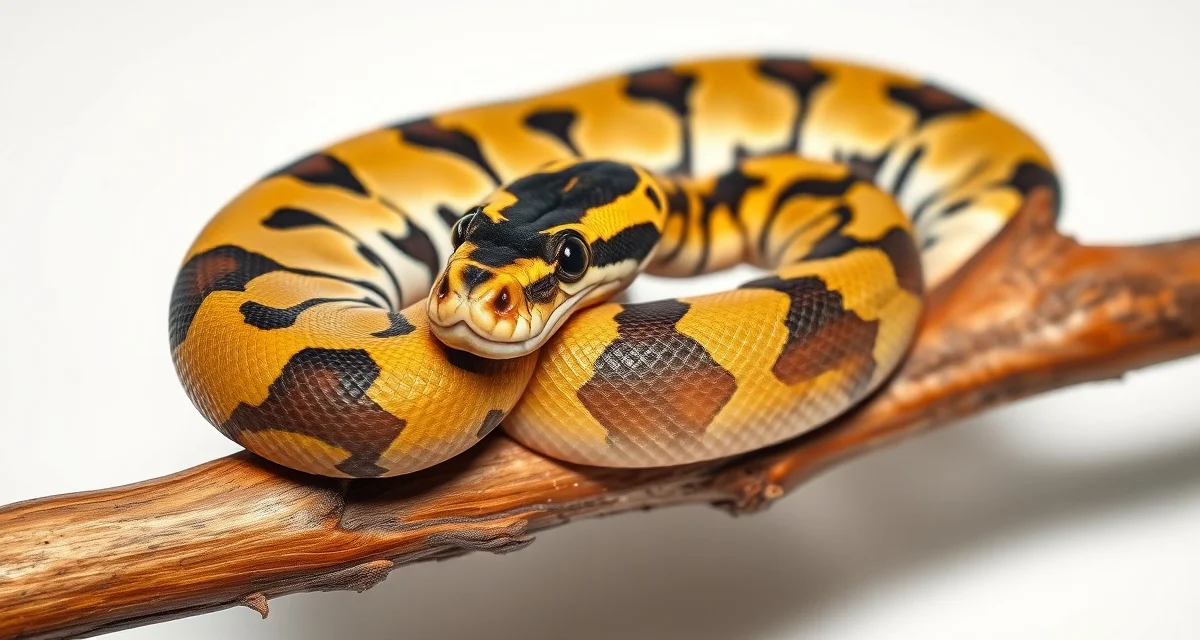
Lesser Clown Ball Python: Breeding Odds, Pairings and Market Value
By HatchLedger Editorial Team · Published 2025-03-06 · Updated Mar 13, 2026
The lesser clown ball python sits in a sweet spot most breeders don't talk about enough. It's not the flashiest combo on the market, but it punches well above its cost when you look at the hatchlings it throws and how well they move. If you're planning your next season's pairings, this is a combo worth understanding inside and out.
TL;DR
- The Lesser Clown combination requires careful planning across multiple genetic lines before visual animals can be produced.
- Recessive genes in any combination require both parents to carry the gene, making genetics guide the foundation of a successful project.
- Multi-recessive projects typically take 2-4 seasons from acquiring het stock before producing the target combination visual.
- Co-dominant genes in combinations show in single copy, allowing you to confirm the gene visually before selling or retaining animals.
- Documenting parentage for every animal in a multi-gene project is the only reliable way to maintain accurate het claims across generations.
Breeders using integrated software report 30% less time on administrative tasks, and that matters when you're managing multiple lesser clown projects alongside the rest of your collection.
Why Lesser Clown Projects Often Disappoint (And How to Fix That)
The problem most breeders run into with lesser clown projects isn't the genetics. It's the planning. They pair up animals without mapping out the full clutch breakdown ahead of time, then get surprised by the ratio of visual clowns versus hets versus normals coming out of the egg.
Lesser is a codominant gene. Clown is recessive. That combination means your pairing strategy has a massive impact on your actual return. Pair wrong, and you're spending incubation time and food resources for a clutch full of animals you can't price confidently.
So let's get specific about what works.
How to Breed Lesser Clown Ball Pythons
Step 1: Understand Your Genetic Starting Points
Before you even think about pairing, you need to know exactly what animals you're working with. Lesser clown ball pythons can be produced a few different ways, and your pairing strategy depends entirely on what genes your animals carry.
If you have a visual lesser clown (a Lesser het clown), pairing it back to a visual clown gives you the best odds of producing visual lesser clowns in the clutch. If you're working with het clown animals carrying lesser, you're playing a longer game with lower odds per clutch.
The ball python morph calculator is the fastest way to map this out before you commit to a pairing.
Step 2: Choose Your Pairing for Maximum Return
The most productive lesser clown pairings tend to be:
- Lesser het Clown x Clown: produces 50% Lesser het Clown, 50% het Clown (all visual cinnamon or lesser carry het clown odds)
- Lesser Clown x Normal het Clown: produces visual lesser clowns, lesser het clowns, visual clowns, and het clowns
- Lesser Clown x Lesser het Clown: adds Super Lesser Clown potential to the clutch
Each pairing shifts your clutch composition differently. The Super Lesser (Butter) Clown is the top-dollar animal in these projects, creamy and almost white with reduced pattern and clown expression. When it appears, it commands premium pricing.
Step 3: Condition Your Animals Properly
Lesser clown females need to be in solid condition before you attempt breeding. Aim for females at 1,500g or above. Clown females in particular can struggle to hold weight through a clutch if they go in underweight.
Feed your breeding females heavily through late summer and fall. Switch to a cooling protocol in October or November, dropping temperatures by 5-8°F at night to trigger breeding behavior. Track every feeding and weight check so you know exactly where each animal stands.
Step 4: Pair and Observe Lock Behavior
Introduce males to females in the evening when temperatures drop. Lesser clown males are generally good breeders, and they tend to lock readily without a lot of coaxing. Monitor for locks and log them every time.
Multiple locks improve fertility odds, but a single confirmed lock is all you need to expect a fertile clutch. Pull the male after 2-3 days and reintroduce weekly through November and December.
Step 5: Watch for Ovulation and Pre-Lay Shed
Ovulation in ball pythons is a visible mid-body swelling that lasts 24-72 hours. Once you spot it, the female will pre-lay shed approximately 30 days later, then lay around 16-18 days after that shed.
Log your ovulation date precisely. That date anchors your entire incubation timeline. Miss it, and you'll be guessing when eggs are due.
Step 6: Pull the Clutch and Incubate
Lesser clown clutches average 4-8 eggs. Pull the clutch within the first 24 hours if possible and move eggs to your incubation setup at 88-90°F with high humidity. Don't separate stuck eggs by force. Cut them apart carefully if needed, but ideally separate at laying.
Incubation runs 54-60 days. Mark your containers with pairing information, lay date, and expected hatch window so nothing gets mixed up when you're running multiple clutches.
Step 7: Process and Identify Hatchlings
Lesser clown hatchlings are typically identifiable at hatch. The blush, reduced pattern, and clown expression should be visible. Sex your animals before you work out pricing. Hatchling females in good combos add 30-50% to your sale price.
Document everything: sex, morph, weight at hatch, feeding response at first meal. This data becomes your pricing justification when you're selling.
What Lesser Clown Ball Pythons Sell For
Market value shifts with supply and demand, but here's a realistic price range:
| Animal | Typical Range |
|--------|--------------|
| Lesser het Clown | $150 - $300 |
| Visual Clown | $200 - $450 |
| Lesser Clown | $400 - $800 |
| Super Lesser (Butter) Clown | $800 - $1,500+ |
| Lesser Clown female | Premium +30-50% |
Females always carry a premium. Super lesser clowns (Butter Clowns) can move well above those ranges if they're well-started and quality animals. Know your market before you price.
Common Mistakes in Lesser Clown Projects
Not tracking ovulation dates. If you miss the ovulation, you lose your anchor point for the whole breeding timeline. Everything downstream gets fuzzy.
Underfeeding females post-lay. A female that laid a good clutch needs serious recovery feeding. Skip this step and she won't be ready for next season.
Pricing hets too low. Lesser het clowns from quality pairings sell to other breeders running their own clown projects. Don't give them away.
Ignoring the admin side. Most breeders lose money not because they don't know genetics, but because they can't tell you which pairings were profitable and which weren't. You need to know your cost per egg, per animal, and per clutch to actually scale this.
The ball python breeding hub has more detail on running a profitable operation across multiple projects.
What is the best approach to lesser clown ball python?
The best approach is to understand your animals' full genetic makeup before pairing. Map out every possible outcome from your pairing, identify which hatchlings carry the most value, and build your production strategy around maximizing those high-value outcomes. Visual lesser clown females paired to visual clown males give you the cleanest, most predictable clutch compositions.
How do professional breeders handle lesser clown ball python?
Professional breeders log everything: ovulation dates, lock dates, weights, feeding responses, and clutch compositions. They know their cost per animal before the eggs hatch, so they're not guessing on pricing. They also focus on female production because a well-started lesser clown female can generate $600-900 at retail, versus $350-500 for a male.
What software helps manage lesser clown ball python?
HatchLedger is built specifically for reptile breeders and connects your husbandry logs directly to clutch financials. You can track pairings, ovulation dates, incubation timelines, and per-animal costs in one place, so when hatchlings arrive, you already know your break-even price and target sale price. It's the kind of tool that makes the difference between guessing and knowing.
Related Articles
- Cinnamon Clown Ball Python: Breeding Odds, Pairings and Market Value
- Clown Pied Ball Python: Breeding Odds, Pairings and Market Value
FAQ
What is Lesser Clown Ball Python: Breeding Odds, Pairings and Market Value?
The Lesser Clown Ball Python is a multi-gene morph combining the co-dominant Lesser gene with the recessive Clown gene. This pairing produces visually striking animals with reduced pattern, bright coloration, and the characteristic clown head stamp. The combo is valued for its market versatility — offspring from a Lesser Clown project include standard clowns, lessers, and lesser clowns, giving breeders multiple saleable morphs from a single well-planned pairing.
How much does Lesser Clown Ball Python: Breeding Odds, Pairings and Market Value cost?
Lesser Clown ball pythons typically sell between $300 and $800 depending on sex, lineage, and visual quality. Het clown animals from the project sell for $100–$250, while proven Lesser Clown females command premium pricing. Acquisition costs for starter stock — a Lesser male and a visual or double-het female — generally range from $400 to $1,200, making this an accessible project with solid return potential across multiple seasons.
How does Lesser Clown Ball Python: Breeding Odds, Pairings and Market Value work?
A Lesser Clown project works by pairing a Lesser (co-dominant) animal with a Clown gene carrier. Because Clown is recessive, both parents must carry it for visual clowns to appear. The Lesser gene shows in single copy, so you can confirm it visually before breeding. Combining the two requires strategic pairing over 2–3 seasons, moving from het stock to visual animals while tracking genetics carefully at every step.
What are the benefits of Lesser Clown Ball Python: Breeding Odds, Pairings and Market Value?
Lesser Clown projects offer strong hatchling diversity, meaning nearly every animal in a clutch has market value. The Lesser gene confirms visually, reducing uncertainty when selling co-doms. Clown offspring retain consistent demand among collectors. The combo also pairs well with additional morphs like Butter, Banana, or Axanthic, giving breeders a scalable foundation. Integrated hatch tracking reduces administrative overhead and helps maintain accurate het documentation across generations.
Who needs Lesser Clown Ball Python: Breeding Odds, Pairings and Market Value?
This project suits intermediate to advanced ball python breeders who are comfortable managing recessive genetics across multiple seasons. It works well for breeders who want reliable hatchling sales without chasing ultra-rare combos. Collectors building out clown-based collections also benefit from understanding Lesser Clown pairings. Anyone running more than two or three active projects simultaneously will find the organizational demands significant without proper record-keeping systems in place.
How long does Lesser Clown Ball Python: Breeding Odds, Pairings and Market Value take?
From acquiring initial het stock to producing visual Lesser Clown animals, most breeders should plan for 2–4 full breeding seasons. The first season typically establishes het offspring. Subsequent seasons refine pairings toward visual targets. Actual timelines depend on female cycling, successful locks, clutch size, and hatch rates. Projects stall most often due to poor documentation of het status — tracking parentage accurately from the start is what keeps timelines on schedule.
What should I look for when choosing Lesser Clown Ball Python: Breeding Odds, Pairings and Market Value?
Prioritize animals with verified lineage and documented het claims from reputable breeders. Confirm the Lesser gene is visually present before purchasing. For clown hets, ask for proof of parentage rather than accepting unverified claims. Evaluate the seller's record-keeping practices — accurate hatch records matter more than visual appeal alone. Also consider how the Lesser Clown foundation fits your existing collection and whether you have the infrastructure to manage a multi-season recessive project.
Is Lesser Clown Ball Python: Breeding Odds, Pairings and Market Value worth it?
For breeders who plan carefully and maintain accurate records, Lesser Clown is a strong long-term investment. The combo produces multiple sellable morphs per clutch, demand for clown-based animals remains stable, and the Lesser gene adds visual appeal without significantly inflating production costs. The project rewards patience and organization. Breeders who underestimate the record-keeping side often see returns suffer — but those who treat it systematically consistently report it as one of their better-performing projects.
Sources
- USARK (United States Association of Reptile Keepers)
- Association of Reptilian and Amphibian Veterinarians (ARAV)
- MorphMarket (reptile industry market reference)
- World of Ball Pythons (WoBP genetics reference database)
- Reptiles Magazine (Bowtie Inc.)
Get Started with HatchLedger
Building a Lesser Clown project across multiple seasons means tracking genetics, parentage, and clutch outcomes that compound in complexity year over year. HatchLedger connects all of that data in one system so your project documentation stays accurate from first pairing through final sale. Try it free with up to 20 animals.