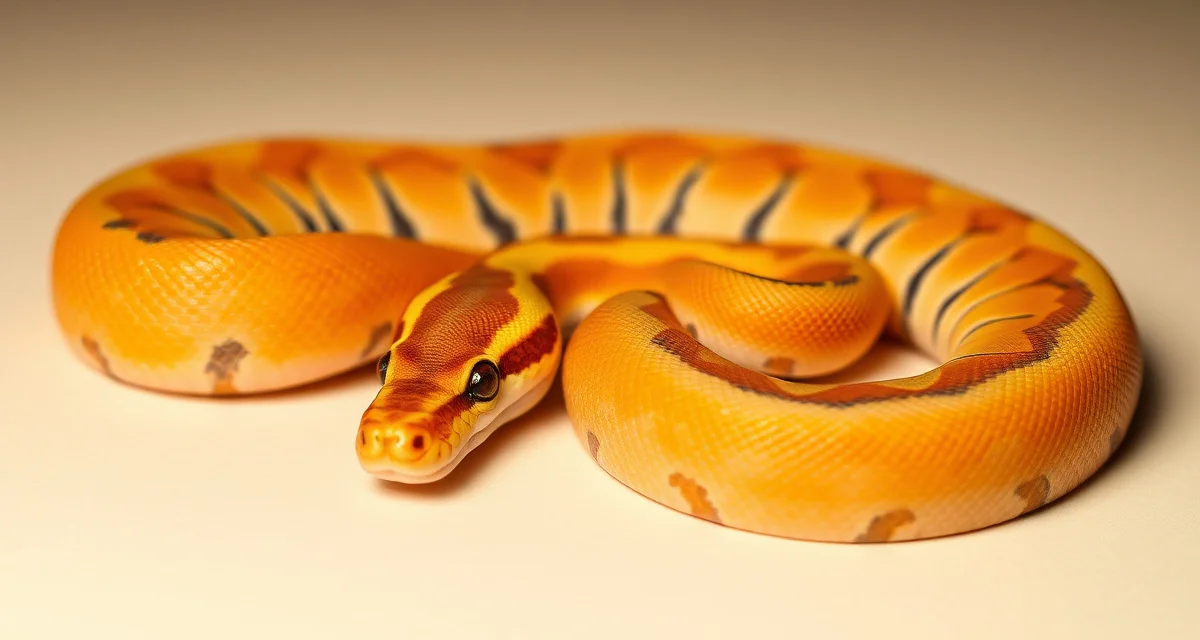
Od Clown Ball Python: Breeding Odds, Pairings and Market Value
By HatchLedger Editorial Team · Published 2025-06-11 · Updated Mar 13, 2026
The OD clown (Orange Dream clown) ball python is a combination that produces warm, vivid animals with the Orange Dream gene's characteristic orange-tone coloration stacked with clown's alien head pattern. The result is a bright, warm-toned clown with a distinct visual character that appeals to buyers looking for something different from the standard pastel clown or spider clown combinations.
TL;DR
- The Od Clown combination requires careful planning across multiple genetic lines before visual animals can be produced.
- Recessive genes in any combination require both parents to carry the gene, making genetics guide the foundation of a successful project.
- Multi-recessive projects typically take 2-4 seasons from acquiring het stock before producing the target combination visual.
- Co-dominant genes in combinations show in single copy, allowing you to confirm the gene visually before selling or retaining animals.
- Documenting parentage for every animal in a multi-gene project is the only reliable way to maintain accurate het claims across generations.
Breeders using integrated software report 30% less time on administrative tasks. In a project that combines a codominant gene with the recessive clown, organized tracking makes the difference between knowing your numbers and guessing.
What Orange Dream Adds to a Clown Project
Orange Dream (OD) is a codominant gene that adds warmth and orange tones to the base coloration. In combination with clown, the OD gene doesn't just modify the background color, it shifts the entire visual character of the animal. OD clowns look distinctly warmer than other clown combos, and in good examples the orange/peach tones are vivid and striking.
The super form of OD, Super Orange Dream, is a dramatically different animal, heavily reduced in pattern with strong warm coloration. When paired to clown, this creates a genuinely unusual-looking animal.
How to Breed OD Clown Ball Pythons
Step 1: Map Your Clutch Composition
The key starting point is knowing what your animals are and what pairings are possible. Options include:
- OD het Clown x Clown: produces OD clowns, OD het clowns, visual clowns, het clowns
- OD Clown x Normal het Clown: produces OD clowns and het carriers
- OD Clown x OD het Clown: adds Super OD Clown possibilities
Use the ball python morph calculator to model exact clutch proportions for your specific animals.
Step 2: Plan for Super OD Clown Production
Super OD clown is the high-value target in this project. It requires pairing OD animals together (OD clown x OD het clown minimum), which gives 25% Super OD offspring in the clutch, some of which will also express visual clown.
Super OD clown animals are dramatically different from single-gene OD clowns, heavily reduced pattern, vivid warm tones, strong clown expression. They move well in the market.
Step 3: Condition Breeders
Females to 1,500g+. Heavy feeding through summer and fall. Temperature drop in October or November. OD and clown animals are reliable feeders and breeders.
Log every weight and feeding through the conditioning period.
Step 4: Introduce and Track Pairings
Evening introductions. Log every introduction and lock. Reintroduce weekly through November and December. OD males breed reliably.
Step 5: Track Ovulation
Log ovulation immediately. Pre-lay shed at 30 days. Egg laying at 16-18 days post-shed. Anchor your hatch window to a logged date.
Step 6: Incubate
Eggs at 88-90°F, high humidity. Average clutch: 4-8 eggs. Mark containers with full pairing data. Hatch window: 54-60 days.
Step 7: Identify and Process Hatchlings
OD clown hatchlings are identifiable, the warm, orange-toned coloration combined with clown expression is distinct. Super OD animals look dramatically more reduced and vivid. Het animals look like OD or normals depending on gene load.
Sex everything before pricing. OD clown females command a meaningful premium.
What OD Clown Ball Pythons Sell For
| Animal | Typical Range |
|--------|--------------|
| OD het Clown | $200 - $400 |
| Visual Clown | $200 - $450 |
| OD Clown | $450 - $900 |
| Super OD Clown | $1,000 - $2,000+ |
| Females | Premium +30-50% |
OD clown is a solid mid-to-upper-tier clown combo. Super OD clown animals command serious pricing because the visual impact is striking and production is relatively limited.
Common Mistakes in OD Clown Projects
Not pairing OD to OD for super form access. If you want super OD clowns, you need two OD animals in the pairing. Single-gene pairings don't produce supers.
Not identifying super OD correctly. The super form looks dramatically different from single-gene OD. Study reference animals.
Undervaluing OD het clown animals. These sell well to breeders building their own OD clown projects. Price based on documentation quality.
Missing the financial tracking. The ball python breeding hub explains how knowing per-clutch costs changes your project evaluation.
What is the best approach to od clown ball python?
Map your clutch composition before pairing and target super OD clown production by pairing OD clown to OD het clown. Know what every category of hatchling is worth before eggs hatch. Visual clowns, OD clowns, and super OD clowns all have different markets and price points, price each accurately.
How do professional breeders handle od clown ball python?
Professional breeders working OD clown projects document every pairing, identify super OD animals accurately at hatch, and track per-clutch financials to evaluate project performance. They price OD het clown animals based on pairing documentation, not just visual phenotype.
What software helps manage od clown ball python?
HatchLedger connects breeding records to clutch P&L so you can track OD clown project performance on real numbers. When your highest-value animals, super OD clowns, are relatively rare but carry notable price points, integrated financial tracking is how you evaluate real project return.
Related Articles
- Cinnamon Clown Ball Python: Breeding Odds, Pairings and Market Value
- Clown Pied Ball Python: Breeding Odds, Pairings and Market Value
FAQ
What is Od Clown Ball Python: Breeding Odds, Pairings and Market Value?
The Od Clown ball python is a combination morph pairing the Orange Dream codominant gene with the recessive clown gene. Orange Dream adds warm orange tones to the base pattern, while clown contributes its signature alien head pattern and reduced patterning. Together, they produce visually striking animals with bright, warm coloration distinct from standard clown combinations like pastel clown or spider clown. The result appeals to buyers seeking something beyond the common clown variants on the market.
How much does Od Clown Ball Python: Breeding Odds, Pairings and Market Value cost?
Od Clown ball pythons typically sell for $300–$800+ depending on sex, additional genes, and seller reputation. Female Od Clowns command higher prices due to breeding value. Animals carrying additional proven genes or from documented lineage fetch premiums. Het clown animals are more affordable entry points into the project. Prices shift with market saturation, so timing your production and sales matters. Researching current listings before pricing your clutch helps you stay competitive.
How does Od Clown Ball Python: Breeding Odds, Pairings and Market Value work?
Producing Od Clown requires pairing an Orange Dream animal to a clown or het clown. Because clown is recessive, both parents must carry the gene for visual clowns to appear. Breeding an Od het clown to a het clown gives 25% visual clown odds per egg, with some of those also expressing Orange Dream. The Orange Dream gene shows in single copy, so you can visually confirm it in hatchlings immediately, while clown status requires genetic confirmation or proving out.
What are the benefits of Od Clown Ball Python: Breeding Odds, Pairings and Market Value?
The Orange Dream gene adds market differentiation to an already popular morph. Od Clown hatchlings stand out visually from standard clowns with warmer, more saturated tones that photograph well and attract buyers online. Because Orange Dream is codominant, you can visually confirm the gene at hatch without waiting seasons to prove animals out. This reduces project uncertainty and lets you make faster breeding and selling decisions compared to multi-recessive combinations where confirmation takes longer.
Who needs Od Clown Ball Python: Breeding Odds, Pairings and Market Value?
Od Clown projects suit breeders who already work with clown lines and want to add visual variety without starting a new recessive project from scratch. Intermediate breeders comfortable with recessive genetics and multi-season planning will get the most from this combination. Collectors seeking warm-toned clown variants are the primary buyers. Breeders building out product lines for online reptile marketplaces benefit from the Od Clown's strong visual appeal and reliable demand among morph enthusiasts.
How long does Od Clown Ball Python: Breeding Odds, Pairings and Market Value take?
Plan for 2–4 breeding seasons from acquiring het stock before producing visual Od Clown animals. Your first season pairs het animals to confirm genetics and build stock. Subsequent seasons increase your odds of hitting the target combination. Incubation runs 55–65 days depending on temperature. Hatchlings need several months of growth before sale at appropriate size. Full project timelines depend on when you acquire proven hets versus unproven stock, adding potential seasons for confirmation.
What should I look for when choosing Od Clown Ball Python: Breeding Odds, Pairings and Market Value?
Prioritize documented parentage and verified het clown lineage when sourcing animals for this project. Purchase from breeders who track genetics through dedicated software or detailed records, not memory. Confirm the Orange Dream gene is visually present and not misidentified. Ask whether het clown animals are proven or unproven, as proven hets carry less risk. Evaluate the seller's reputation on reptile communities and marketplaces. Animals from reliable, traceable lineage protect your investment and your own het claims downstream.
Is Od Clown Ball Python: Breeding Odds, Pairings and Market Value worth it?
Od Clown is worth pursuing if you value market differentiation and already have clown infrastructure in place. The warm-toned visual appeals to a consistent buyer segment and photographs distinctively. Adding Orange Dream to a clown project is relatively low-friction since it is codominant and visually confirmable at hatch. The main cost is time across multiple seasons and organized record-keeping to maintain accurate het claims. For breeders with the patience and systems in place, the combination delivers strong returns.
Sources
- USARK (United States Association of Reptile Keepers)
- Association of Reptilian and Amphibian Veterinarians (ARAV)
- MorphMarket (reptile industry market reference)
- World of Ball Pythons (WoBP genetics reference database)
- Reptiles Magazine (Bowtie Inc.)
Track Your OD Clown Project in HatchLedger
Get Started with HatchLedger
Building a Od Clown project across multiple seasons means tracking genetics, parentage, and clutch outcomes that compound in complexity year over year. HatchLedger connects all of that data in one system so your project documentation stays accurate from first pairing through final sale. Try it free with up to 20 animals.