Black Magic Ball Python: Genetics, Breeding Outcomes and Pricing
By HatchLedger Editorial Team · Published 2025-03-29 · Updated Mar 13, 2026
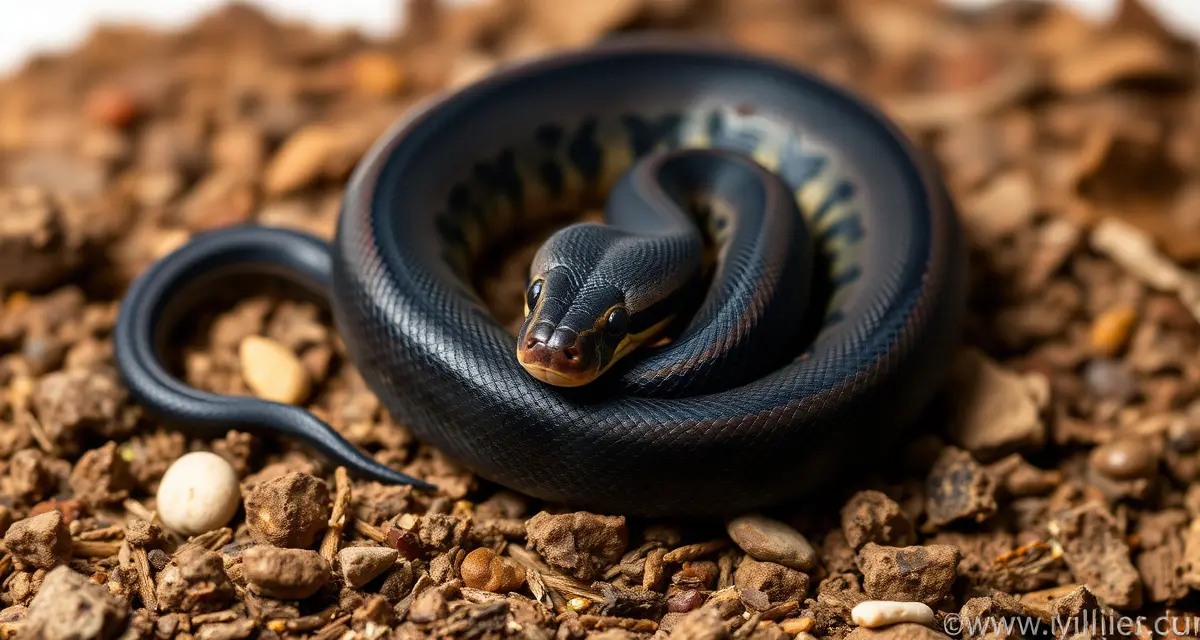
Black Magic is a trade name used for what is typically a very dark ball python, often described as the Super form or combination involving Black Pastel and other darkening genes. Usage of the name "Black Magic" varies between breeders, so buying or selling animals under this name requires careful documentation of the actual genes involved. At its best, a Black Magic-labeled animal is a near-black ball python with vivid white belly markings and excellent contrast.
TL;DR
- The Black Magic morph is a documented genetic variant in ball pythons with established inheritance pattern and pricing history.
- Co-dominant morphs express visually in single copy and produce a distinct super form in double copy (with exceptions like Spider where the super is non-viable).
- Recessive morphs require two copies to be visually expressed; single-copy carriers (hets) look identical to normal ball pythons.
- Documented het claims backed by parentage records are worth significantly more at resale than unverified possible-het claims.
- Market prices for any given morph are heavily influenced by production volume, demand trends, and whether the morph stacks well with high-value genes.
Understanding the Black Magic Trade Name
Black Magic is not a formally established standalone gene with a standardized genetic definition across all breeders. The name is most commonly applied to:
- Super Black Pastel (homozygous Black Pastel), though this produces the spinal kinking welfare issue discussed below
- Black Pastel Cinnamon compound (both genes present), similar welfare concern
- GHI Black Pastel combos, dark, dramatic animals without the lethal gene issue
- Very dark-looking single-gene or multi-gene ball pythons marketed under the name for branding
Why This Matters for Buyers
If you're buying a "Black Magic" ball python, ask for the specific gene makeup. A GHI Black Pastel is a very different animal, genetically and in terms of welfare, than a Super Black Pastel. A seller using "Black Magic" as a brand name for a dark-looking animal should be able to tell you exactly which genes are present.
Dark-Appearing Black Pastel Combos (Welfare-Safe)
The most commercially viable "Black Magic"-type animals that don't carry the Super Black Pastel welfare risk:
- Black Pastel GHI: extremely dark, near-black, with strong white belly contrast; retail $400-$800
- Black Pastel Cinnamon Pastel (sometimes triple-gene): welfare concern applies
- GHI Black Pastel Pastel: dark with color modification; retail $500-$1,000
- Black Pastel Mojave: dark with BEL pathway presence; retail $300-$600
Super Black Pastel Welfare Note
Two copies of Black Pastel produce hatchlings with severe spinal kinking, the same outcome as Super Cinnamon (they're allelic genes). Never pair Black Pastel x Black Pastel or Black Pastel x Cinnamon if you want to avoid producing severely compromised hatchlings. See the Super Black Pastel guide for complete details.
Building a "Black Magic" Type Project Responsibly
The safest and most commercially sustainable approach is to build extreme-dark ball pythons using:
- GHI + Black Pastel: different genetic loci, no lethal combo risk, produces very dark animals
- Black Pastel + Pastel: Pewter phenotype, no lethal risk, dramatically visible
- Black Pastel + Mojave (never two BP copies): safe combination producing dark/BEL animals
Log the specific genes for every animal in HatchLedger. When animals are marketed under trade names like "Black Magic," include the specific gene makeup in every sale listing and buyer pack.
Pricing Dark-Type Ball Pythons
| Animal | Retail Range |
|--------|-------------|
| Black Pastel GHI (female) | $500-$900 |
| Black Pastel GHI (male) | $350-$700 |
| Black Pastel Pastel (Pewter, female) | $200-$350 |
| GHI Black Pastel Pastel | $600-$1,100 |
| Black Pastel Clown | $700-$1,400 |
| Black Pastel Pied | $700-$1,300 |
Related Articles
- Axanthic Ball Python: Genetics, Breeding Outcomes and Pricing
- Bamboo Ball Python: Genetics, Breeding Outcomes and Pricing
- Banana Ball Python: Genetics, Breeding Outcomes and Pricing
- Bumble Bee Ball Python: Genetics, Breeding Outcomes and Pricing
FAQ
What genes make a Black Magic ball python?
"Black Magic" is a trade name rather than a standardized genetic term. It's most often applied to very dark ball pythons, including Super Black Pastel (welfare concern), Black Pastel Cinnamon compounds (welfare concern), or combinations like GHI Black Pastel that achieve extreme dark coloration without the lethal gene risk. Always ask for the specific genetics before purchasing any animal sold under this trade name.
How do professional breeders handle Black Magic ball python documentation?
Responsible breeders don't sell animals under trade names without specifying the underlying genes. They list the actual genetic makeup, "GHI Black Pastel female, het Pied" for example, and use trade names as supplementary branding only. HatchLedger's buyer pack generator records actual gene makeup rather than just trade names, ensuring buyers receive accurate genetic documentation.
What is Black Magic Ball Python: Genetics, Breeding Outcomes and Pricing?
The Black Magic Ball Python is a trade name used for extremely dark ball pythons, typically produced by combining Black Pastel with other darkening genes, often representing a Super Black Pastel or multi-gene combination. Because the name is not standardized across breeders, animals sold as Black Magic can vary genetically. Always request full parentage documentation to confirm exactly which genes are present before purchasing.
How much does Black Magic Ball Python: Genetics, Breeding Outcomes and Pricing cost?
Black Magic Ball Pythons typically range from $150–$600+ depending on the specific gene combination involved, the breeder's reputation, and current market demand. Simple Super Black Pastel animals sit at the lower end, while multi-gene Black Magic combos with proven parentage records command premium prices. Unverified possible-het animals sell for significantly less than documented hets with traceable lineage.
How does Black Magic Ball Python: Genetics, Breeding Outcomes and Pricing work?
The dark appearance in Black Magic Ball Pythons results from stacking co-dominant or recessive darkening genes that suppress lighter pigmentation. Black Pastel, as a co-dominant gene, expresses visually in single copy and produces a dramatically darker Super form in double copy. When combined with additional darkening morphs, the result is a near-black animal with high-contrast white belly markings.
What are the benefits of Black Magic Ball Python: Genetics, Breeding Outcomes and Pricing?
The primary appeal of Black Magic Ball Pythons is their striking visual contrast — near-black dorsal coloration against vivid white belly markings. Beyond aesthetics, these animals are valued as breeding tools. Pairing them with other high-value morphs can produce diverse, marketable clutches. Well-documented Black Magic animals with verified genetics retain strong resale value within the reptile breeding community.
Who needs Black Magic Ball Python: Genetics, Breeding Outcomes and Pricing?
Black Magic Ball Pythons appeal to intermediate and experienced ball python keepers who want high-contrast, visually striking animals, and to breeders seeking to incorporate strong darkening genes into their projects. Collectors drawn to melanistic morphs are the core buyer base. Beginners should be cautious — the inconsistent use of the trade name means genetic verification is essential before committing to a breeding program.
How long does Black Magic Ball Python: Genetics, Breeding Outcomes and Pricing take?
Breeding Black Magic Ball Pythons follows standard ball python timelines. females typically reach breeding weight around 1,500g, usually between 2–4 years of age. Gestation runs approximately 30–60 days post-lock, with eggs incubating for 54–60 days at 88–90°F. Planning a Black Magic project — from pairing to hatchlings — generally spans one full breeding season, roughly 6–10 months from introduction to hatch.
Sources
- USARK (United States Association of Reptile Keepers)
- World of Ball Pythons (WoBP genetics reference database)
- Association of Reptilian and Amphibian Veterinarians (ARAV)
- MorphMarket (reptile industry marketplace data)
- Ball Python community genetics documentation
Get Started with HatchLedger
Tracking Black Magic genetics through multiple generations requires connected records that link parent morphs, clutch outcomes, and het status for every animal in your collection. HatchLedger's genetics engine handles this automatically, making buyer documentation accurate and complete. Try it free with up to 20 animals.