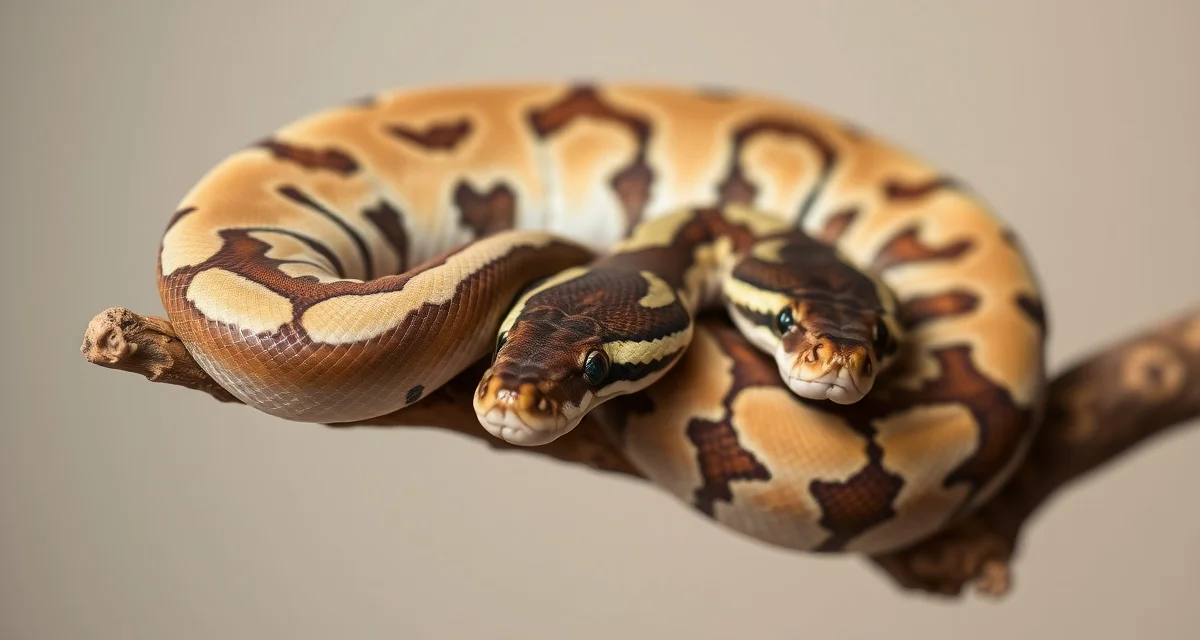
Cinnamon Pastel Ball Python: Breeding Odds, Pairings and Market Value
By HatchLedger Editorial Team · Published 2025-07-03 · Updated Mar 13, 2026
Cinnamon pastel is one of the workhorses of ball python breeding. It's not going to make headlines at a reptile expo, but breeders who understand what it does for multi-gene projects keep coming back to it. The darkening effect of cinnamon combined with the brightening of pastel creates contrast, and that contrast stacks well into almost any other combination you want to build.
TL;DR
- The Cinnamon Pastel combination requires careful planning across multiple genetic lines before visual animals can be produced.
- Recessive genes in any combination require both parents to carry the gene, making genetics guide the foundation of a successful project.
- Multi-recessive projects typically take 2-4 seasons from acquiring het stock before producing the target combination visual.
- Co-dominant genes in combinations show in single copy, allowing you to confirm the gene visually before selling or retaining animals.
- Documenting parentage for every animal in a multi-gene project is the only reliable way to maintain accurate het claims across generations.
Breeders using integrated software report 30% less time on administrative tasks, time that's better spent on the animals themselves.
The Problem Most Breeders Have with Cinnamon Pastel
Cinnamon pastel is so versatile that breeders sometimes treat it as filler, something you throw into a project without much thought. That's a mistake. Cinnamon carries a lethal super form in cinnamon x cinnamon pairings, and pastel does too (super pastel is viable and highly marketable, but double cinnamon produces spider-like neurological issues). If you're pairing cinnamon animals together, you need to know what you're doing.
The other issue: cinnamon pastel's value as a standalone combo is modest. Its real worth shows up in three- and four-gene combos where it transforms the look of the final animal. If you're not building toward something specific, you'll end up with nice-looking animals at middling prices.
How to Breed Cinnamon Pastel Ball Pythons
Step 1: Clarify Your End Goal
Cinnamon pastel is rarely the destination. It's a building block. Before you pair anything, know what you're trying to produce. Are you building toward pewter (cinnamon + pastel, which is already a three-gene effect)? Adding clown? Pied? Het recessive genes?
Your pairing choices look completely different depending on the answer. Map your project using the ball python morph calculator before you lock in a pairing.
Step 2: Understand What the Genes Do Together
Cinnamon darkens the overall pattern and base color. Pastel brightens and enhances yellows and reduces dark pattern elements. Together, they create an animal with strong contrast: darker saddles, brighter background. The effect stacks particularly well with additional pattern-modifying genes.
Cinnamon pastel animals are typically clean, high-contrast, and visually striking for their price point.
Step 3: Set Up Your Breeding Animals
Females need to be at least 1,500g and in solid body condition. Cinnamon and pastel animals are both reliable feeders and typically breed without issues. Condition through late summer and fall, then drop night temperatures in October or November to trigger breeding behavior.
Log every weight and feeding. You want a clear record of each animal's condition going into breeding season.
Step 4: Pair and Track Locks
Introduce males in the evening. Cinnamon pastel males tend to be active breeders. Log every introduction and every confirmed lock. If you're running cinnamon pastel into a project with other cinnamon animals, double-check your pairing. Avoid cinnamon x cinnamon unless you understand the implications of super cinnamon (Black Pastel is viable; true double cinnamon has welfare concerns).
Reintroduce weekly through December for best fertility outcomes.
Step 5: Monitor Ovulation and Schedule the Clutch
Ovulation is the critical checkpoint. Log it immediately. Pre-lay shed follows at 30 days, egg laying at 16-18 days after the shed. A logged ovulation date gives you a precise hatch window.
Step 6: Incubate and Watch for Development
Set eggs at 88-90°F and high humidity. Cinnamon pastel clutches typically run 4-8 eggs. Monitor weekly, mark containers with full pairing data, and note expected hatch dates.
Hatch window is 54-60 days. Most hatchlings pip around the same time if incubation conditions are consistent.
Step 7: Identify Hatchlings and Assess Value
Cinnamon pastel hatchlings are distinct. You should be able to identify them visually. Look for the characteristic contrast pattern and the combination of darkening and brightening effects. Sex every animal before anything else.
Price based on sex, additional genes carried, and overall quality. Females always carry a premium.
What Cinnamon Pastel Ball Pythons Sell For
| Animal | Typical Range |
|--------|--------------|
| Pastel | $60 - $120 |
| Cinnamon | $60 - $120 |
| Cinnamon Pastel | $150 - $350 |
| Cinnamon Pastel with recessive het | $250 - $500+ |
| Females | Premium +30-50% |
Cinnamon pastel as a standalone sells modestly. In projects with additional recessive genes or stacked codominants, value increases noticeably.
Common Mistakes in Cinnamon Pastel Projects
Pairing cinnamon to cinnamon without awareness. Double cinnamon (and similar BP morphs) raises welfare concerns. Know your genetics before pairing black pastel to cinnamon pastel if both carry cinnamon alleles.
Producing without a market plan. Cinnamon pastel animals move, but they're not going to sell at the prices that justify poor planning. Know who your buyer is before you produce.
Ignoring het value. If your cinnamon pastel project is also carrying het recessive genes, price those hets appropriately. Buyers building their own projects will pay for documented hets.
Not tracking financials at the clutch level. The ball python breeding hub explains why clutch-level P&L tracking matters, and it matters even more in projects with modest per-animal margins.
What is the best approach to cinnamon pastel ball python?
The best approach is to use cinnamon pastel as a building block rather than an endpoint. Pair it into projects where the combination of darkening and brightening effects enhances the target morph. Always map out clutch odds before you pair, and know exactly what animals you're trying to produce so you can price them confidently when they arrive.
How do professional breeders handle cinnamon pastel ball python?
Professional breeders treat cinnamon pastel as a component in a larger project plan. They track which clutches carry additional het genes, document every pairing thoroughly, and price their animals based on market data rather than guesswork. They also avoid pairing cinnamon alleles together carelessly, which is a sign of experience.
What software helps manage cinnamon pastel ball python?
HatchLedger connects your breeding logs to clutch financial tracking, so you can see which pairings are profitable and which aren't. For a gene like cinnamon pastel where margins are modest per animal, knowing your exact production cost is what makes the difference between a profitable project and a break-even one.
Related Articles
- Black Pastel Pied Ball Python: Breeding Odds, Pairings and Market Value
- Cinnamon Clown Ball Python: Breeding Odds, Pairings and Market Value
FAQ
What is Cinnamon Pastel Ball Python: Breeding Odds, Pairings and Market Value?
The Cinnamon Pastel ball python is a double co-dominant morph combining the cinnamon and pastel genes. It produces animals with enhanced contrast — cinnamon darkens the pattern while pastel brightens the yellows and reduces the brown tones. This combination serves as a powerful base for multi-gene projects, stacking cleanly into recessive and other co-dominant morphs to build visually striking animals across many different breeding programs.
How much does Cinnamon Pastel Ball Python: Breeding Odds, Pairings and Market Value cost?
Cinnamon Pastel ball pythons typically sell for $75–$200 depending on sex, lineage, and whether additional genes are present. Basic single-copy examples sit at the lower end, while animals carrying proven het recessives or additional co-dominant genes command premiums. Market value rises significantly when cinnamon pastel is part of a multi-gene combo like Cinnamon Pastel Clown or Cinnamon Pastel Pied, where visuals can fetch $400–$1,500 or more.
How does Cinnamon Pastel Ball Python: Breeding Odds, Pairings and Market Value work?
Both cinnamon and pastel are co-dominant genes, meaning a single copy of each is enough to produce visible expression. When an animal inherits one cinnamon allele and one pastel allele, both genes express simultaneously, creating the characteristic high-contrast look. Because neither gene requires two copies to show, breeders can visually confirm the combination in hatchlings and immediately identify which animals carry both genes for future pairings.
What are the benefits of Cinnamon Pastel Ball Python: Breeding Odds, Pairings and Market Value?
Cinnamon Pastel adds significant versatility to a breeding program. Both genes are visually confirmable at birth, eliminating guesswork when sorting hatchlings. The combination enhances contrast in ways that complement most other morphs, making it easy to stack into recessive or additional co-dominant projects. It also improves odds in multi-gene pairings since co-dominant genes pass at 50% per gene, giving breeders reliable statistical outcomes across clutches.
Who needs Cinnamon Pastel Ball Python: Breeding Odds, Pairings and Market Value?
Cinnamon Pastel suits breeders at every level — beginners benefit from the straightforward co-dominant genetics, while experienced breeders use it as a foundation gene in complex multi-morph projects. It's especially useful for anyone building toward high-value combos involving recessives like clown, pied, or albino. If you want animals that photograph well, sell consistently, and contribute to long-term breeding goals, cinnamon pastel belongs in your collection.
How long does Cinnamon Pastel Ball Python: Breeding Odds, Pairings and Market Value take?
Producing your first Cinnamon Pastel hatchlings can happen in a single season if you acquire animals already expressing both genes. Building toward a multi-gene project that includes recessives takes longer — typically 2–4 breeding seasons from acquiring het stock to producing visual target animals. Co-dominant genes like cinnamon and pastel speed up timelines considerably compared to recessive-only projects because you can visually confirm gene presence without waiting a generation.
What should I look for when choosing Cinnamon Pastel Ball Python: Breeding Odds, Pairings and Market Value?
Look for clean, well-documented parentage from a breeder who tracks genetics carefully. Verify that het claims for any recessive genes are supported by known breeding records, not estimates. Evaluate body condition, feeding response, and overall health before genetics. For the morph itself, look for good contrast — rich dark patterning from the cinnamon and bright, clean yellows from the pastel. Animals from proven co-dominant-to-co-dominant pairings offer the most reliable genetic confirmation.
Is Cinnamon Pastel Ball Python: Breeding Odds, Pairings and Market Value worth it?
For breeders with a clear multi-gene goal, Cinnamon Pastel is absolutely worth adding. Both genes are co-dominant, so you see returns from the first clutch and can build toward high-value combos without years of blind het breeding. The combination photographs well, sells reliably at expos and online, and stacks into nearly any other morph. If you have no long-term project in mind, a single-gene morph may offer a simpler entry point, but cinnamon pastel rewards planning.
Sources
- USARK (United States Association of Reptile Keepers)
- Association of Reptilian and Amphibian Veterinarians (ARAV)
- MorphMarket (reptile industry market reference)
- World of Ball Pythons (WoBP genetics reference database)
- Reptiles Magazine (Bowtie Inc.)
Track Your Cinnamon Pastel Project
Get Started with HatchLedger
Building a Cinnamon Pastel project across multiple seasons means tracking genetics, parentage, and clutch outcomes that compound in complexity year over year. HatchLedger connects all of that data in one system so your project documentation stays accurate from first pairing through final sale. Try it free with up to 20 animals.