Coral Glow Ball Python: Genetics, Breeding Outcomes and Pricing
By HatchLedger Editorial Team · Published 2025-02-05 · Updated Mar 13, 2026
Coral Glow is the NERD (New England Reptile Distributors) line of the Banana mutation, genetically identical to Banana but discovered independently and named separately. Understanding this allelic relationship is the most important thing to know before working with Coral Glow animals.
TL;DR
- The Coral Glow morph is a documented genetic variant in ball pythons with established inheritance pattern and pricing history.
- Co-dominant morphs express visually in single copy and produce a distinct super form in double copy (with exceptions like Spider where the super is non-viable).
- Recessive morphs require two copies to be visually expressed; single-copy carriers (hets) look identical to normal ball pythons.
- Documented het claims backed by parentage records are worth significantly more at resale than unverified possible-het claims.
- Market prices for any given morph are heavily influenced by production volume, demand trends, and whether the morph stacks well with high-value genes.
Coral Glow vs. Banana: The Same Gene
Coral Glow and Banana are allelic, they occupy the same genetic locus and are the same functional mutation. An animal that's Coral Glow × Banana produces a "Super" animal (Super Banana/Coral Glow) with the same doubled-up expression as Banana × Banana or Coral Glow × Coral Glow.
In practice, the two names are used somewhat interchangeably in the market. Many sellers list animals as "Banana/Coral Glow" to cover both possibilities when lineage is undocumented. If you're building a documented program, know which line your animals come from.
Coral Glow Genetics
Co-dominant with sex-linked inheritance skew. Single-copy Coral Glows show the characteristic orange-yellow base coloration with black freckling spots. The sex-skew (Coral Glow males produce proportionally more Coral Glow females; Coral Glow females produce proportionally more Coral Glow males) works identically to Banana.
From Coral Glow × normal:
- ~50% Coral Glow
- ~50% normal
- Sex ratio of Coral Glow offspring skewed (~2:1) based on whether the breeding animal is male or female
From Coral Glow × Coral Glow:
- 25% Super Coral Glow/Banana
- 50% Coral Glow
- 25% normal
From Coral Glow × Banana (allelic combo):
- 25% Super (Coral Glow/Banana compound)
- 25% Coral Glow
- 25% Banana
- 25% normal
Visual Identification
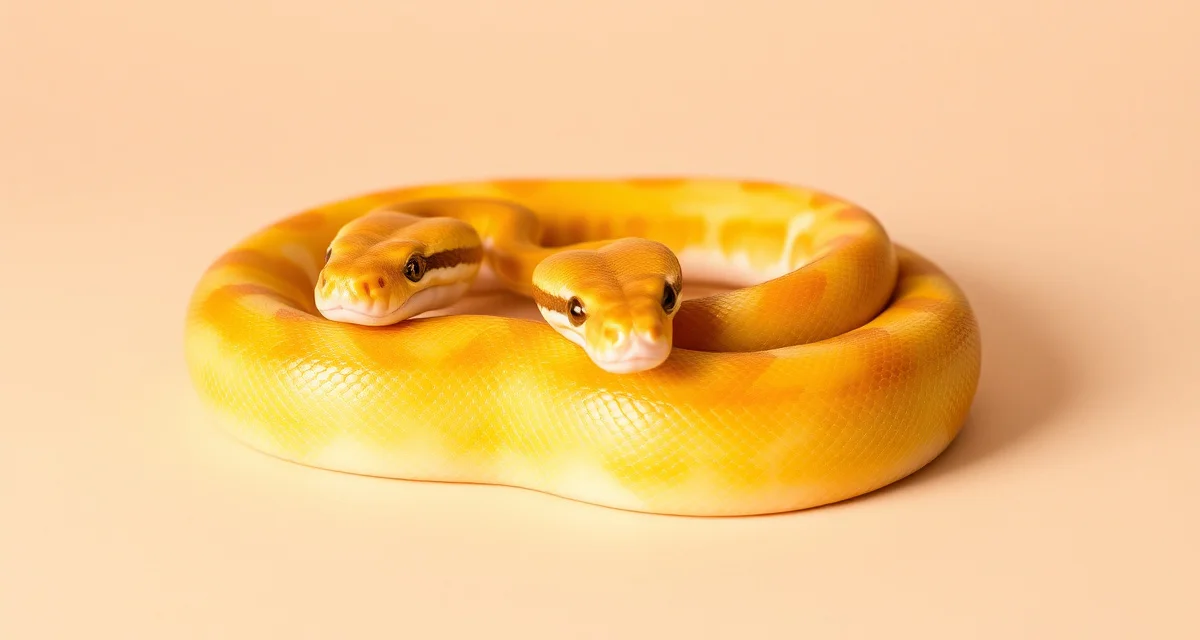
Coral Glow hatchlings are identifiable at hatch by their orange-yellow base coloration with black spots (freckles). Visually indistinguishable from Banana from the same line. Super animals are more intensely colored with heavier freckling.
Freckles often increase with age, adult Coral Glows tend to have more and larger spots than hatchlings. Animals that freckle heavily are considered higher quality by many buyers.
Popular Coral Glow Combos
All the same combos as Banana apply here, the morph functions identically:
Coral Glow Pastel: Brighter orange-yellow. Popular combo.
Coral Glow Pied: Orange pattern on white. High demand.
Coral Glow Clown: Premium pricing. One of the most sought-after orange combos.
Coral Glow Spider: Strong visual but disclose wobble.
Coral Glow Enchi: Rich, saturated orange.
Pricing
Coral Glow pricing tracks closely with Banana market pricing:
| Animal | Typical Market Price |
|---|---|
| Coral Glow (male) | $80-$150 |
| Coral Glow (female) | $150-$300 |
| Super Coral Glow | $300-$700 |
| Coral Glow Clown (male) | $600-$1,200 |
| Coral Glow Clown (female) | $1,500-$4,000 |
| Coral Glow Pied | $500-$2,000 |
Documentation Note
When selling Coral Glow animals, be clear about which line they're from in your documentation. A buyer who later wants to breed their Coral Glow needs to know if it's a NERD-line Coral Glow or a VPI-line Banana (or unknown origin) to plan accurate pairings.
Related Articles
- Axanthic Ball Python: Genetics, Breeding Outcomes and Pricing
- Bamboo Ball Python: Genetics, Breeding Outcomes and Pricing
- Black Pastel Ball Python: Genetics, Breeding Outcomes and Pricing
- Bumble Bee Ball Python: Genetics, Breeding Outcomes and Pricing
FAQ
What is the best approach to coral glow ball python morph?
Coral Glow functions identically to Banana, understand the sex-skew in your project planning, use Coral Glow males to produce more Coral Glow females (production breeders) and Coral Glow females to produce more Coral Glow males (combo producers). Target high-value recessive combos (Clown, Pied) for premium pricing. Document lineage clearly.
How do professional breeders handle coral glow ball python morph?
Professional Coral Glow breeders maintain clear documentation of which line their animals come from. They plan the sex ratio implications of their breeding animals into their project goals. They treat Coral Glow and Banana as genetically equivalent for combo building purposes and note both names when applicable in their documentation.
What software helps manage coral glow ball python morph?
HatchLedger is purpose-built for reptile breeders, connecting animal records, breeding history, clutch outcomes, and financial tracking in one connected system. Unlike general spreadsheets or notes apps, it's designed around the specific workflow of an active breeding season -- from pairing records through hatchling inventory and sales documentation. Free for up to 20 animals.
What is Coral Glow Ball Python: Genetics, Breeding Outcomes and Pricing?
The Coral Glow ball python is a co-dominant color morph originally produced by New England Reptile Distributors (NERD). It is genetically identical to the Banana morph — both mutations occupy the same locus and are fully allelic. Single-copy animals display the characteristic yellow-orange patterning, while double-copy animals produce a Super form. The article covers its inheritance mechanics, expected breeding outcomes when combined with other morphs, and how market pricing has evolved.
How much does Coral Glow Ball Python: Genetics, Breeding Outcomes and Pricing cost?
Pricing for Coral Glow ball pythons varies widely based on generation, combo genes, and market demand. Basic single-gene Coral Glows can sell for $50–$150, while animals stacked with high-value recessive or co-dominant genes command significantly more. Documented het claims backed by parentage records also increase resale value. Because Coral Glow and Banana are the same gene, high production volume across both lines has kept single-gene prices relatively accessible compared to rarer morphs.
How does Coral Glow Ball Python: Genetics, Breeding Outcomes and Pricing work?
Coral Glow follows co-dominant inheritance: one copy produces a visually distinct animal, and two copies produce a Super. Because Coral Glow and Banana are allelic, pairing a Coral Glow to a Banana also yields Super offspring — they don't need to be the same named line. Breeders working with this gene can predict clutch outcomes using standard Punnett square ratios, with approximately 50% co-dominant expression when one parent carries the gene.
What are the benefits of Coral Glow Ball Python: Genetics, Breeding Outcomes and Pricing?
Working with Coral Glow offers breeders a visually striking, well-documented morph with predictable co-dominant inheritance and strong combo potential. Its allelic relationship with Banana expands pairing options without requiring animals from a single lineage. The morph stacks cleanly with recessive genes like Clown and Pied, producing high-value designer combos. Its established market presence also means pricing data and breeding outcomes are well-documented, reducing guesswork for newer breeders.
Who needs Coral Glow Ball Python: Genetics, Breeding Outcomes and Pricing?
This article is most useful for ball python breeders — from beginners selecting their first co-dominant gene to experienced collectors building multi-gene projects. It's also relevant for buyers wanting to understand whether a Coral Glow or Banana label affects an animal's genetic or market value (it doesn't). Anyone evaluating clutch pairings, verifying het claims, or pricing animals for sale will find the genetics and market context directly applicable.
Sources
- USARK (United States Association of Reptile Keepers)
- World of Ball Pythons (WoBP genetics reference database)
- Association of Reptilian and Amphibian Veterinarians (ARAV)
- MorphMarket (reptile industry marketplace data)
- Ball Python community genetics documentation
Get Started with HatchLedger
Tracking Coral Glow genetics through multiple generations requires connected records that link parent morphs, clutch outcomes, and het status for every animal in your collection. HatchLedger's genetics engine handles this automatically, making buyer documentation accurate and complete. Try it free with up to 20 animals.