Coral Glow Pied Ball Python: Breeding Odds, Pairings and Market Value
By HatchLedger Editorial Team · Published 2025-04-27 · Updated Mar 13, 2026
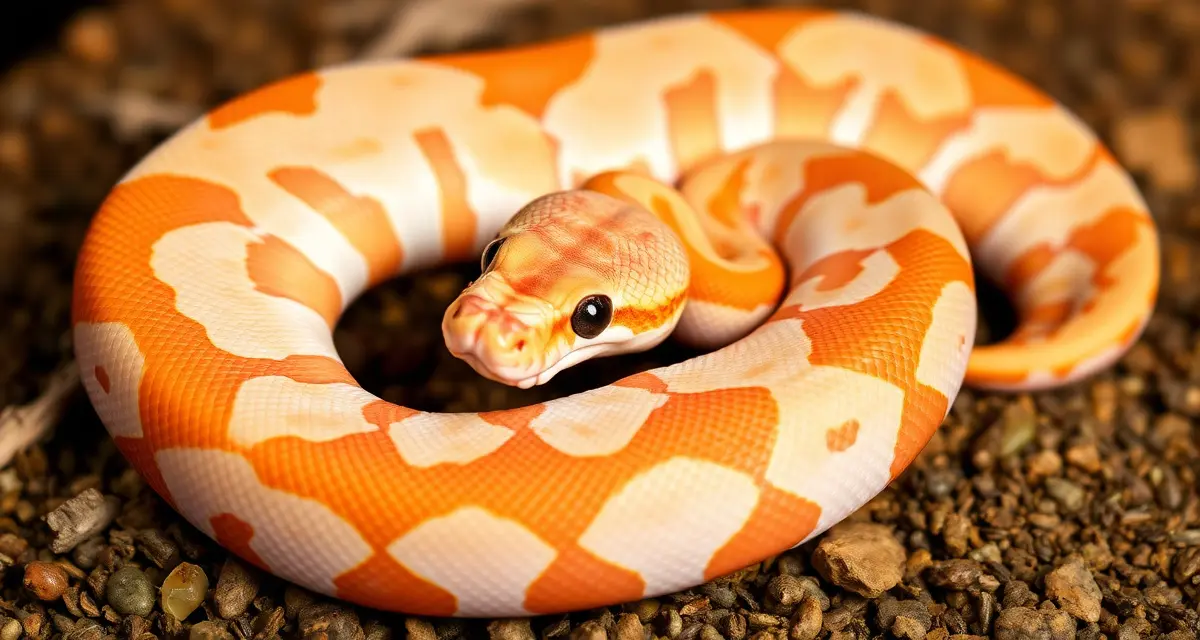
The coral glow pied ball python is a collector's combo. Coral glow (also called banana) brings a warm, golden-orange-pink coloration that, when combined with the bold white patches of pied, produces an animal that photographs beautifully and sells at a premium. It's one of the more visually arresting piebald combinations on the market right now.
TL;DR
- The Coral Glow combination requires careful planning across multiple genetic lines before visual animals can be produced.
- Recessive genes in any combination require both parents to carry the gene, making genetics guide the foundation of a successful project.
- Multi-recessive projects typically take 2-4 seasons from acquiring het stock before producing the target combination visual.
- Co-dominant genes in combinations show in single copy, allowing you to confirm the gene visually before selling or retaining animals.
- Documenting parentage for every animal in a multi-gene project is the only reliable way to maintain accurate het claims across generations.
If you're building a coral glow pied project, know that both genes require careful planning. Breeders using integrated software report 30% less time on administrative tasks, and that's time you can reinvest into tracking the details that matter in this kind of project.
Why Coral Glow Pied Projects Require Careful Planning
Coral glow (banana) has a quirk that most breeders know about but beginners sometimes miss. Banana/coral glow is a sex-linked gene that behaves differently depending on the sex of the animal. Males pass the gene to roughly all female offspring; females pass it to roughly all male offspring. This flips conventional breeding math on its head for these projects.
Pied is straightforward recessive. But the combination of a sex-influenced codominant with a recessive gene means you need to think more carefully about which sex your coral glow animals are when planning pairings.
How to Breed Coral Glow Pied Ball Pythons
Step 1: Understand the Coral Glow Inheritance Pattern
Coral glow males pass the gene to predominantly female offspring. Coral glow females pass it to predominantly male offspring. This means a coral glow male x het pied female will produce mostly coral glow females and normal-looking males, with het pied carried through.
This sex-influenced inheritance doesn't change your pied odds, but it changes which animals in the clutch carry coral glow. Plan your pairings with this in mind.
Use the ball python morph calculator to model your full clutch composition before committing.
Step 2: Select Your Pairing Strategy
Productive coral glow pied pairings include:
- Coral Glow het Pied x het Pied: produces coral glow pieds, coral glow het pieds, visual pieds, het pieds, normals
- Coral Glow Pied x Normal het Pied: produces coral glow pieds, coral glow het pieds, and het animals
- Coral Glow Pied x Coral Glow het Pied: adds super coral glow (banana banana, which expresses distinctly) pied possibilities
The goal animal in most of these projects is the visual coral glow pied: warm, glowing coloration splashed with white. Female coral glow pieds are genuinely premium animals.
Step 3: Condition Your Breeders
Standard conditioning applies: females at 1,500g+, well-fed through late summer and fall, cooling initiated in October or November. Coral glow and pied animals are typically reliable feeders and breeders.
Log every feeding and weight check. Your conditioning records are part of the documentation package when you sell offspring.
Step 4: Introduce and Log Pairings
Evening introductions. Log every introduction and every lock. With projects that involve sex-influenced inheritance, knowing which sex your producing animals are is critically important. Make sure your records reflect this.
Reintroduce males weekly through breeding season.
Step 5: Identify and Record Ovulation
Watch females daily. The ovulation swelling is your anchor point. Log it immediately. Pre-lay shed follows at 30 days, egg laying at 16-18 days after. A precise ovulation date gives you a reliable hatch window.
Step 6: Incubate at Correct Parameters
Eggs at 88-90°F and high humidity. Coral glow pied clutches average 4-8 eggs. Mark containers clearly. You'll want to know exactly which pairing produced which clutch when hatchlings arrive.
Step 7: Process Hatchlings
Coral glow pied hatchlings are visually distinctive: the warm, peachy-orange coloration against white is obvious at hatch. Het animals look like normal pieds or het pieds depending on pied expression.
Sex every animal. Coral glow pied females are top-tier pricing. Document morph ID, sex, hatch weight, and first feeding.
What Coral Glow Pied Ball Pythons Sell For
| Animal | Typical Range |
|--------|--------------|
| Coral Glow het Pied | $200 - $400 |
| Visual Pied | $250 - $500 |
| Coral Glow Pied | $600 - $1,200 |
| Coral Glow Pied female | $1,000 - $2,000+ |
| Super Coral Glow (Banana Banana) Pied | $1,500 - $3,000+ |
Coral glow pieds are consistent sellers at the upper end of the pied combo market. The visual appeal is strong and the photography is always impressive, which helps with online sales.
Common Mistakes in Coral Glow Pied Projects
Ignoring the sex-influenced inheritance. If you don't account for which sex your coral glow animals are, your clutch composition predictions will be wrong. This is probably the most common planning error in coral glow projects.
Pricing het animals too low. Coral glow het pieds and normal het pieds from quality pairings sell to breeders building their own projects. Price them to reflect the documentation you can provide.
Not photographing animals well. Coral glow pieds sell on visuals. Poor photos reduce what you can charge. Invest in a basic photography setup.
Skipping post-lay recovery. Large clutches take a toll on females. The ball python breeding hub has a full breakdown of female recovery protocols.
What is the best approach to coral glow pied ball python?
Start by understanding the sex-influenced nature of coral glow inheritance and choosing your pairings accordingly. Map clutch odds for each pairing option and select the combination that gives you the best ratio of high-value animals. Visual coral glow pied females are your top-dollar animals. Structure your project to maximize the chance of producing them.
How do professional breeders handle coral glow pied ball python?
Professional breeders working coral glow pied projects document the sex of every producing animal, log all pairings and outcomes, and price animals based on real market data. They account for the sex-influenced inheritance when making predictions and communicate this clearly to buyers who might be confused by unexpected clutch ratios.
What software helps manage coral glow pied ball python?
HatchLedger connects breeding records directly to clutch P&L so you know what each project costs and what it returns. For coral glow pied projects, where individual animals can carry notable value, knowing your production costs per animal is how you price with confidence.
Related Articles
- Clown Pied Ball Python: Breeding Odds, Pairings and Market Value
- Enchi Pied Ball Python: Breeding Odds, Pairings and Market Value
FAQ
What is Coral Glow Pied Ball Python: Breeding Odds, Pairings and Market Value?
The Coral Glow Pied ball python is a designer morph combining two genetic traits: coral glow (also known as banana), a co-dominant gene producing warm golden-orange-pink tones, and piebald, a recessive gene responsible for bold white patches. Together they create a visually striking animal highly sought by collectors. This article covers breeding odds, recommended pairings, and current market pricing to help breeders plan and execute a successful coral glow pied project.
How much does Coral Glow Pied Ball Python: Breeding Odds, Pairings and Market Value cost?
Coral Glow Pied ball pythons typically sell between $400 and $1,200+ depending on the quality of pied patterning, lineage documentation, and market demand at time of sale. Animals with high white pied expression and vivid coral glow coloration command the upper end. Het animals cost considerably less but are essential project stock. Prices fluctuate with supply, so tracking recent sales on reptile marketplaces gives the most accurate current benchmark before buying or listing.
How does Coral Glow Pied Ball Python: Breeding Odds, Pairings and Market Value work?
Producing a Coral Glow Pied requires both the coral glow co-dominant gene and two copies of the recessive piebald gene. Breeders typically start by pairing het pied animals to coral glow males or females, producing het offspring. Those hets are then bred back into the project over subsequent seasons. Because pied is recessive, both parents must carry it before visual pieds appear. Accurate record-keeping of parentage is essential to maintain valid het claims throughout the project.
What are the benefits of Coral Glow Pied Ball Python: Breeding Odds, Pairings and Market Value?
Coral Glow Pieds offer strong visual appeal that translates directly into market value. The combination photographs exceptionally well, making animals easier to sell at premium prices. Co-dominant expression of coral glow means you can confirm the gene visually in single copy animals, reducing genetic uncertainty. The project also generates valuable het and co-dom offspring at each stage, providing sellable inventory throughout the multi-season build rather than requiring you to wait years for a single payday.
Who needs Coral Glow Pied Ball Python: Breeding Odds, Pairings and Market Value?
This morph combination is best suited for intermediate to advanced ball python breeders who are comfortable managing multi-gene recessive projects across multiple breeding seasons. Collectors looking for high-value display animals are the primary buyers. Breeders already working piebald projects who want to add a complementary co-dominant gene will find coral glow a natural fit. It's less suited to beginners still learning single-gene husbandry, as the administrative and pairing complexity increases significantly with each added recessive.
How long does Coral Glow Pied Ball Python: Breeding Odds, Pairings and Market Value take?
From acquiring foundational het pied stock to producing your first visual Coral Glow Pieds, expect a timeline of two to four breeding seasons. Each season involves pairing, incubation of roughly 55-60 days, and growing out offspring long enough to assess genetics and quality. Co-dominant genes like coral glow can be confirmed earlier in the process, but the recessive piebald component dictates the overall pace. Breeders who document every pairing and hatch from the start significantly reduce errors that extend timelines.
What should I look for when choosing Coral Glow Pied Ball Python: Breeding Odds, Pairings and Market Value?
When evaluating Coral Glow Pied animals or project stock, prioritize documented parentage over visual impression alone. For visual animals, look for high white pied coverage and vivid coral glow expression, as these traits drive resale value. For hets, buy only from breeders who can provide clear lineage records. Confirm the seller's breeding records are thorough and consistent. Animals described as 'possible het' carry less value and more uncertainty than proven hets from documented pairings.
Is Coral Glow Pied Ball Python: Breeding Odds, Pairings and Market Value worth it?
For breeders with the patience and organizational discipline to manage a multi-season recessive project, Coral Glow Pied is worth the investment. The combination produces animals with genuine collector appeal and strong resale value. The project also generates sellable co-dom and het offspring along the way, helping offset costs. The main risk is poor record-keeping eroding the credibility of het claims. Breeders who treat documentation as seriously as husbandry will find this one of the more rewarding piebald combinations to work.
Sources
- USARK (United States Association of Reptile Keepers)
- Association of Reptilian and Amphibian Veterinarians (ARAV)
- MorphMarket (reptile industry market reference)
- World of Ball Pythons (WoBP genetics reference database)
- Reptiles Magazine (Bowtie Inc.)
Start Tracking Your Coral Glow Pied Project
Get Started with HatchLedger
Building a Coral Glow project across multiple seasons means tracking genetics, parentage, and clutch outcomes that compound in complexity year over year. HatchLedger connects all of that data in one system so your project documentation stays accurate from first pairing through final sale. Try it free with up to 20 animals.