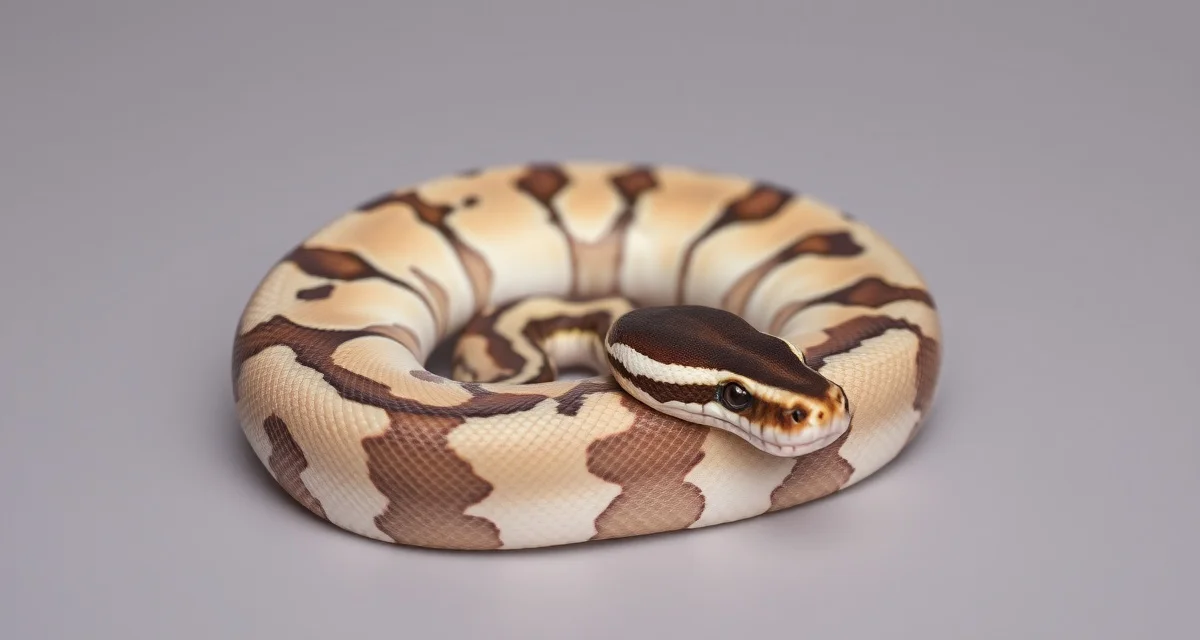
Pied Ball Python: Genetics, Breeding Outcomes and Pricing
By HatchLedger Editorial Team · Published 2025-06-08 · Updated Mar 13, 2026
Pied was one of the original high-value recessive morphs and it's maintained strong market position for decades. The white-sided pattern is immediately recognizable, and the variability in white expression means every Pied is somewhat unique. Buyers love them. Breeders keep producing them. It remains one of the most reliable projects in the hobby.
TL;DR
- The Pied morph is a documented genetic variant in ball pythons with established inheritance pattern and pricing history.
- Co-dominant morphs express visually in single copy and produce a distinct super form in double copy (with exceptions like Spider where the super is non-viable).
- Recessive morphs require two copies to be visually expressed; single-copy carriers (hets) look identical to normal ball pythons.
- Documented het claims backed by parentage records are worth significantly more at resale than unverified possible-het claims.
- Market prices for any given morph are heavily influenced by production volume, demand trends, and whether the morph stacks well with high-value genes.
Pied Genetics
Pied is a simple recessive gene, like Clown. Two copies required to produce a visual animal. Het Pieds are visually identical to normal ball pythons.
From het Pied × het Pied:
- 25% visual Pied
- 50% het Pied
- 25% normal
From visual Pied × het Pied:
- 50% visual Pied
- 50% het Pied
From visual Pied × normal:
- 100% het Pied (no visuals)
From visual Pied × visual Pied:
- 100% visual Pied
Visual Identification
Pied animals have sections of pure white, scaleless-looking skin alternating with normal-patterned sections. The proportion of white to pattern varies dramatically between individuals, some Pieds are 80%+ white with only a small saddle of pattern near the head, others are 30-40% white with large patterned sections.
High-white Pieds (60%+) typically command premium pricing. Low-white Pieds (under 30%) are still beautiful and sell well, just at lower price points.
The patterned sections of a Pied express whatever other morph genes the animal carries, which is why Pied combos are so visually appealing, the pattern sections show the combo morph at maximum intensity against the white backdrop.
Hatchling identification: Visual Pieds are identifiable at hatch. The white sections are present immediately. White percentage at hatch is approximately what you'll see in the adult.
Het Documentation
Same challenge as Clown: het Pieds look normal. Documented het status commands a significant premium.
The Pied het documentation market is well-established, buyers understand the value of a 100% het from visual parents versus a possible het from an unknown source. Maintain your lineage records.
Pied Combos: Pattern on White
The white sections of a Pied animal don't express other morph genes, they're simply white. But the patterned sections do, and the contrast between white and a vivid combo pattern is what drives Pied combo demand.
Pastel Pied: Brighter, more yellow-toned patterned sections. Extremely popular.
Banana/Coral Glow Pied: Orange-toned pattern on white. Very high demand.
Mojave Pied: Toward a blue-eyed pied. Excellent visual with high collector interest.
Lesser Pied: Similar blue-eyed effect, slightly different tone.
Enchi Pied: Rich coloration in the patterned sections.
Clown Pied: Combining two high-value recessives, premium pricing but requires both genes in each parent.
GHi Pied / Black Pastel Pied: Dark, dramatically contrasted pied animals.
Breeding Outcomes Table
| Pairing | Outcomes |
|---|---|
| het Pied × het Pied | 25% visual, 50% het, 25% normal |
| Visual Pied × het Pied | 50% visual, 50% het |
| Visual Pied × normal | 100% het |
| Visual Pied × Visual Pied | 100% visual Pied |
White Percentage Inheritance
White percentage doesn't follow strict Mendelian rules, it's influenced by modifier genes and shows environmental variation. However, there's a loose tendency for offspring of high-white parents to be higher white than offspring of low-white parents. Many Pied breeders selectively breed high-white animals to maximize white expression in their program.
This is worth tracking. If you note white percentage estimates for every Pied animal in your collection along with parent white percentages, you can observe whether your program is trending toward higher white over generations.
Pricing
| Animal | Typical Market Price |
|---|---|
| 100% het Pied (male) | $150-$300 |
| 100% het Pied (female) | $300-$600 |
| Visual Pied, low-white (male) | $300-$500 |
| Visual Pied, low-white (female) | $600-$1,200 |
| Visual Pied, high-white (male) | $500-$1,000 |
| Visual Pied, high-white (female) | $1,000-$3,000 |
| Banana Pied | $800-$2,500 |
| Pastel Pied | $600-$1,800 |
| Clown Pied | $3,000-$10,000+ |
Building a Pied Project
Pied projects follow the same strategic structure as Clown projects. The most efficient production starting point is a proven het Pied female (from visual parents) paired to a visual Pied male.
If you're building a combo Pied program, say, Pastel Pied, the roadmap adds a year:
- Year 1: Acquire Pastel het Pied animals (or pair Pastel × het Pied to produce)
- Year 2: Breed Pastel het Pied × visual Pied male → 50% Pastel Pied, 50% Pastel (all het Pied)
- Year 3: Sell Pastel Pieds, hold back Pastel Pied females
The premium visual animals usually take 2-3 years to produce from a standing start with base het animals.
Related Articles
- Banana Ball Python: Genetics, Breeding Outcomes and Pricing
- Black Magic Ball Python: Genetics, Breeding Outcomes and Pricing
- Black Pastel Ball Python: Genetics, Breeding Outcomes and Pricing
- Bumble Bee Ball Python: Genetics, Breeding Outcomes and Pricing
FAQ
What is the best approach to pied ball python morph?
Start with well-documented het Pied animals from visual parents to maximize certainty on het status. Pair toward high-white visual Pied animals when selecting breeding stock, as high-white Pieds command significant premiums. Combine Pied with high-value co-dominant morphs (Banana, Pastel, Enchi) for premium combo animals, these represent the top of the Pied market.
How do professional breeders handle pied ball python morph?
Professional Pied breeders maintain visual animals as production stock, track white percentage through generations when selecting breeders, and focus on combo production with the most in-demand co-dominant morphs. They maintain meticulous het documentation for every animal in the program, particularly het females, which represent the most value per animal in a Pied breeding program.
What software helps manage pied ball python morph?
HatchLedger is purpose-built for reptile breeders, connecting animal records, breeding history, clutch outcomes, and financial tracking in one connected system. Unlike general spreadsheets or notes apps, it's designed around the specific workflow of an active breeding season -- from pairing records through hatchling inventory and sales documentation. Free for up to 20 animals.
What is Pied Ball Python: Genetics, Breeding Outcomes and Pricing?
The Pied Ball Python is a selectively bred color morph of the ball python (Python regius), recognized by its distinctive pattern of white unpigmented sections contrasting with normally patterned areas. It is a simple recessive genetic trait, meaning two copies of the gene are required to produce a visually expressed animal. Pied was one of the earliest high-value recessive morphs established in the hobby and remains a foundational project for breeders due to its reliable genetics and strong collector demand.
How much does Pied Ball Python: Genetics, Breeding Outcomes and Pricing cost?
Pied Ball Pythons range widely in price depending on quality, white expression, and combo genes present. Basic visual Pieds typically start around $300–$600, while high-white or designer combos can fetch $1,000–$5,000 or more. Het Pieds—carriers that look like normal ball pythons—sell for significantly less, though documented, parentage-verified hets command a premium over unverified possible-hets. Market pricing fluctuates with production volume and demand trends, so current breeder listings are the best reference for real-time values.
How does Pied Ball Python: Genetics, Breeding Outcomes and Pricing work?
Pied is inherited as a simple recessive trait. A single copy (het Pied) produces no visible difference—the snake looks normal. Two copies are required to express the white-sided pied pattern. Breeding two het Pieds together yields statistically 25% visual Pieds, 50% het Pieds, and 25% normals. Breeding a visual Pied to a het Pied produces 50% visual Pieds and 50% hets. The degree of white expression varies per animal and is not strictly predictable from parentage alone.
What are the benefits of Pied Ball Python: Genetics, Breeding Outcomes and Pricing?
The Pied morph offers breeders a reliable, well-documented recessive project with decades of proven market demand. Its visually striking and variable white patterning makes every animal unique, appealing strongly to collectors. Pied stacks well with other high-value genes to create desirable combos that command premium pricing. For buyers, owning a Pied means holding a morph with historically stable resale value. The straightforward recessive inheritance also makes it an accessible project for breeders learning recessive genetics.
Who needs Pied Ball Python: Genetics, Breeding Outcomes and Pricing?
Pied Ball Pythons appeal to hobbyist breeders looking for a proven recessive project, experienced collectors seeking high-white or rare combos, and newcomers wanting a morph with established market value and clear genetics. Anyone interested in recessive breeding mechanics will find Pied an ideal starting point given its simple inheritance and extensive documentation. Buyers who value unique pattern variation also gravitate toward Pieds since no two animals express exactly the same white coverage.
Sources
- USARK (United States Association of Reptile Keepers)
- World of Ball Pythons (WoBP genetics reference database)
- Association of Reptilian and Amphibian Veterinarians (ARAV)
- MorphMarket (reptile industry marketplace data)
- Ball Python community genetics documentation
Get Started with HatchLedger
Tracking Pied genetics through multiple generations requires connected records that link parent morphs, clutch outcomes, and het status for every animal in your collection. HatchLedger's genetics engine handles this automatically, making buyer documentation accurate and complete. Try it free with up to 20 animals.