Hypo Pied Ball Python: Breeding Odds, Pairings and Market Value
By HatchLedger Editorial Team · Published 2025-03-31 · Updated Mar 13, 2026
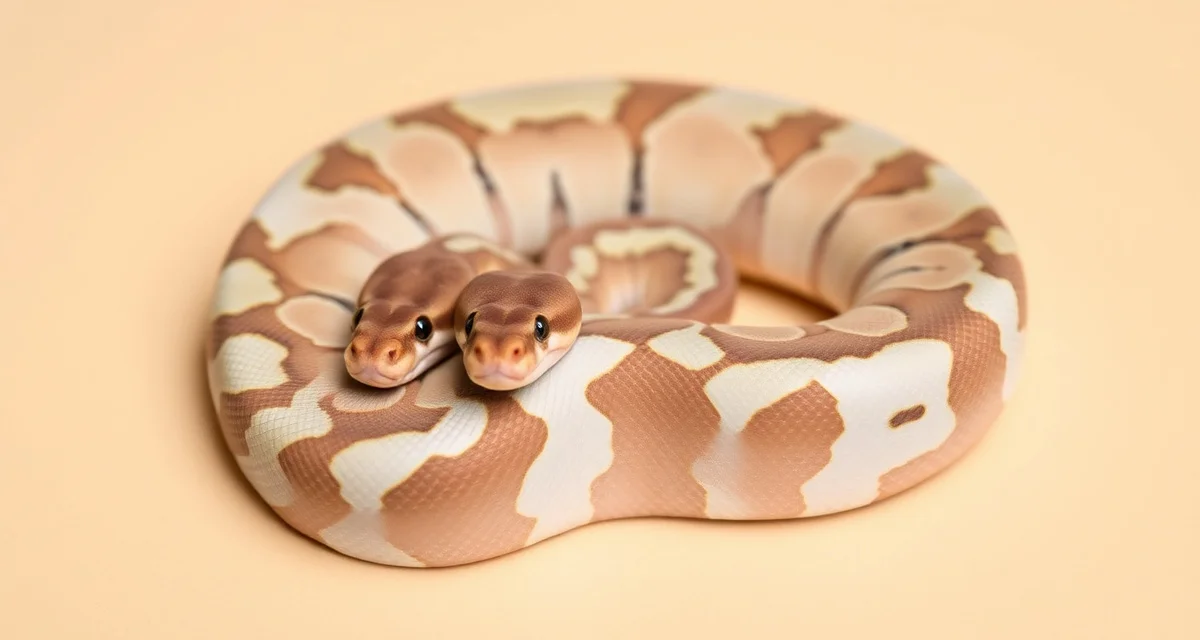
The hypo pied ball python produces a softer, lighter version of the classic piebald look. Hypo (Ghost) reduces the dark pigmentation in the animal's pattern, making the colored sections look washed and muted against the white pied patches. The result is a subtle, earthy-toned pied that appeals to buyers who want something calmer in appearance than the high-contrast standard pied.
TL;DR
- The Hypo Pied combination requires careful planning across multiple genetic lines before visual animals can be produced.
- Recessive genes in any combination require both parents to carry the gene, making genetics guide the foundation of a successful project.
- Multi-recessive projects typically take 2-4 seasons from acquiring het stock before producing the target combination visual.
- Co-dominant genes in combinations show in single copy, allowing you to confirm the gene visually before selling or retaining animals.
- Documenting parentage for every animal in a multi-gene project is the only reliable way to maintain accurate het claims across generations.
Both hypo and pied are recessive genes, which means hypo pied projects are longer-term investments that reward careful planning. Breeders using integrated software report 30% less time on administrative tasks, time that compounds notably in multi-year recessive projects.
The Two-Recessive Challenge
Hypo pied is a two-recessive project. Both genes need two copies to express visually, which means every step toward a visual hypo pied requires either het animals producing together, or a visual of one gene bred to a het for both.
The most common scenario: year one produces double hets. Year two, pairing double hets to double hets, gives you odds of roughly 1-in-16 per egg for visual hypo pieds. That's not impossible in a six-to-eight-egg clutch, but it's not guaranteed either.
Know this going in. Budget for multi-year timelines and understand that your het animals have real value to other breeders working similar projects.
How to Breed Hypo Pied Ball Pythons
Step 1: Map the Multi-Year Path
Before you pair anything, work backward from the visual hypo pied and figure out how many seasons it takes to get there from your current animals.
If you have visual hypo animals and visual pied animals, you'll produce double hets in year one. Year two pairings then produce visual hypo pieds at 1-in-16 per egg odds.
If you already have double het hypo pieds, you can begin producing visual animals immediately. Use the ball python morph calculator to model each stage.
Step 2: Source Confirmed Double Hets If Possible
The fastest path to visual hypo pieds is starting with confirmed double het animals. These command a premium, expect to pay $300-700+ for quality proven double hets, but they condense your timeline notably.
Alternatively, source visual hypos and visual pieds with documented genetics and begin the two-year process.
Step 3: Condition Breeding Animals
Females to 1,500g+. Heavy feeding through summer and fall. Temperature drop in October or November. Hypo and pied animals are reliable breeders with standard conditioning requirements.
Log every weight and feeding. In recessive projects where het documentation is a primary value driver, conditioning records are part of the value you're delivering to buyers.
Step 4: Introduce and Track All Pairings
Evening introductions. Log every introduction and every lock. With two-recessive projects, every piece of documentation matters. Your pairing records are the foundation of het animal value.
Reintroduce males weekly through November and December.
Step 5: Track Ovulation Precisely
Log ovulation the moment you see it. Pre-lay shed at 30 days. Egg laying at 16-18 days post-shed. Precise logging is essential for managing hatch windows across multiple clutches.
Step 6: Incubate and Document Everything
Eggs at 88-90°F, high humidity. Average clutch: 4-8 eggs. Mark containers with complete pairing data, in a two-recessive project, provenance documentation for every egg matters.
Hatch window: 54-60 days.
Step 7: Identify Hatchlings and Document Outcomes
Visual hypo pieds are identifiable, the washed, muted coloration against white pied patches is distinct. Double het animals look like normals. Visual hypos look hypo. Visual pieds look pied.
Sex every animal. Document every outcome. This documentation is the proof of het status you'll sell alongside the animals.
What Hypo Pied Ball Pythons Sell For
| Animal | Typical Range |
|--------|--------------|
| Double Het Hypo Pied (50% het) | $100 - $200 |
| Double Het Hypo Pied (100% het) | $300 - $600 |
| Visual Hypo Pied | $700 - $1,500 |
| Visual Hypo Pied female | $1,200 - $2,500+ |
Visual hypo pieds are premium animals with a devoted buyer base that appreciates the softer, earthier look compared to standard pieds.
Common Mistakes in Hypo Pied Projects
Underestimating the timeline. Two-recessive projects take longer than most breeders expect when starting out. Plan for two-to-three seasons before visual animals start appearing consistently.
Not maintaining documentation. Het animals in this project are only worth their price if you have the pairing records to prove het status. Document everything from day one.
Overpricing low-percentage hets. Know the difference between 50% het and 100% het animals, and price accordingly. Buyers know what they mean.
Losing track of multi-year costs. The ball python breeding hub has detailed guidance on tracking cumulative project costs across multiple seasons.
What is the best approach to hypo pied ball python?
Start with confirmed double het animals from proven pairings if possible, this condenses your timeline to visual animals notably. If starting from visual hypos and pieds, build your het generation carefully and sell those double het animals to other breeders working the same project. Always maintain complete pairing documentation, as this is the foundation of het animal value.
How do professional breeders handle hypo pied ball python?
Professional breeders working hypo pied projects treat het documentation as a core product feature. They maintain complete records for every animal in the project, sell double hets at fair prices based on provenance, and track cumulative project costs so they know what visual animals need to return to make the project worthwhile financially.
What software helps manage hypo pied ball python?
HatchLedger connects your breeding records to clutch P&L across multiple seasons, so you can track the full financial history of a multi-year recessive project. For hypo pied projects where timeline and cost management are the primary challenges, having integrated data from the start is what keeps you organized and financially aware.
Related Articles
- Clown Pied Ball Python: Breeding Odds, Pairings and Market Value
- Coral Glow Pied Ball Python: Breeding Odds, Pairings and Market Value
FAQ
What is Hypo Pied Ball Python: Breeding Odds, Pairings and Market Value?
The Hypo Pied Ball Python is a double recessive morph combining the Hypo (Ghost) and Piebald genes. The result is a piebald with softened, muted coloration — earthy tones replace the sharp contrast of a standard pied. Because both genes are recessive, producing a visual Hypo Pied requires both parents to carry copies of each gene, making it a planned, multi-generation breeding project rather than a quick pairing.
How much does Hypo Pied Ball Python: Breeding Odds, Pairings and Market Value cost?
Visual Hypo Pied ball pythons typically sell in the range of $300–$800 depending on pied coverage, color quality, and breeder reputation. Animals with high white and clean hypo expression command premiums. Het and double het offspring are less expensive but still valuable for breeders entering the project. Prices fluctuate with market demand, so checking current listings on reptile marketplaces gives the most accurate snapshot.
How does Hypo Pied Ball Python: Breeding Odds, Pairings and Market Value work?
Both Hypo and Pied are recessive genes, meaning a snake must inherit two copies of each gene — one from each parent — to express the visual trait. Breeders typically start by pairing animals that are het for both genes, producing a clutch where statistically 1 in 16 offspring will be visual Hypo Pieds. Tracking genetics carefully across generations is essential to maintaining accurate het claims.
What are the benefits of Hypo Pied Ball Python: Breeding Odds, Pairings and Market Value?
The Hypo Pied offers a visually distinct alternative to standard pieds — softer, more muted tones appeal to buyers who prefer understated aesthetics. For breeders, it opens a long-term project with compounding value as het offspring build a breeding colony. The combination also pairs well with other morphs, giving breeders flexibility to produce a range of combo animals from the same foundational stock.
Who needs Hypo Pied Ball Python: Breeding Odds, Pairings and Market Value?
This morph suits intermediate to advanced reptile breeders who enjoy multi-generation genetic projects. It appeals to hobbyists who want a planned, goal-oriented breeding program rather than quick single-gene pairings. Collectors seeking visually softer pieds are the primary buyer market. Breeders already working with Hypo or Pied lines are best positioned to enter the project efficiently by leveraging existing het animals.
How long does Hypo Pied Ball Python: Breeding Odds, Pairings and Market Value take?
Producing a visual Hypo Pied typically takes 2–4 breeding seasons from the point of acquiring het stock. The first season usually generates double het offspring. Those animals must mature before the next pairing, adding another season or two before visual Hypo Pieds appear in a clutch. Using breeding management software to track pairings and het status helps compress administrative time across the project lifecycle.
What should I look for when choosing Hypo Pied Ball Python: Breeding Odds, Pairings and Market Value?
Prioritize documented lineage — accurate het claims are only as reliable as the records behind them. Look for breeders who track parentage across generations and can provide pairing history. On the visual animals themselves, evaluate pied coverage, hypo expression quality, and overall body condition. For project animals, confirm het status is proven or percentage-based with clear documentation rather than unverified breeder claims.
Is Hypo Pied Ball Python: Breeding Odds, Pairings and Market Value worth it?
For breeders committed to a long-term project, Hypo Pied is worth the investment. The combination produces visually appealing animals with a distinct market niche, and the foundational het stock generates saleable offspring along the way. The main cost is time — multiple seasons before visual animals appear. Breeders who value careful genetic planning and enjoy working multi-recessive projects will find it a rewarding and financially viable pursuit.
Sources
- USARK (United States Association of Reptile Keepers)
- Association of Reptilian and Amphibian Veterinarians (ARAV)
- MorphMarket (reptile industry market reference)
- World of Ball Pythons (WoBP genetics reference database)
- Reptiles Magazine (Bowtie Inc.)
Track Your Hypo Pied Project Across Every Season
Get Started with HatchLedger
Building a Hypo Pied project across multiple seasons means tracking genetics, parentage, and clutch outcomes that compound in complexity year over year. HatchLedger connects all of that data in one system so your project documentation stays accurate from first pairing through final sale. Try it free with up to 20 animals.