Leopard Pied Ball Python: Breeding Odds, Pairings and Market Value
By HatchLedger Editorial Team · Published 2025-01-25 · Updated Mar 13, 2026
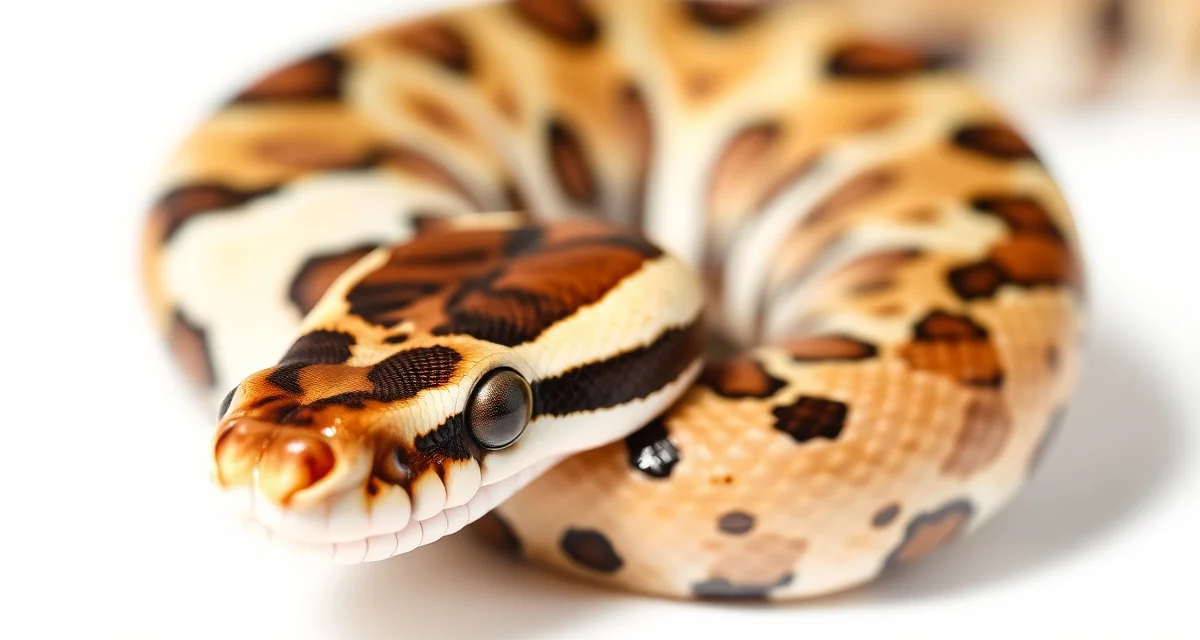
The leopard pied ball python is a combination that produces polished, clean-looking animals with a distinctive head character. Leopard adds its unique pattern stamp, particularly visible in the head and anterior body, and when combined with the bold white patches of pied, the result is an animal that looks more complex and finished than a standard piebald.
TL;DR
- The Leopard Pied combination requires careful planning across multiple genetic lines before visual animals can be produced.
- Recessive genes in any combination require both parents to carry the gene, making genetics guide the foundation of a successful project.
- Multi-recessive projects typically take 2-4 seasons from acquiring het stock before producing the target combination visual.
- Co-dominant genes in combinations show in single copy, allowing you to confirm the gene visually before selling or retaining animals.
- Documenting parentage for every animal in a multi-gene project is the only reliable way to maintain accurate het claims across generations.
Leopard pied projects reward breeders who manage them systematically. Breeders using integrated software report 30% less time on administrative tasks, which is bandwidth that goes back into the care and planning these projects need.
What Leopard Adds to a Pied Project
Leopard is a codominant gene whose super form is a dramatically pattern-reduced animal with a unique head stamp. In pied combinations, the leopard gene modifies the colored sections of the pattern in a way that adds complexity. Leopard pied animals look more "designed" than standard pieds, the pattern in the colored sections has a character that draws the eye.
Super leopard pied animals, where the super form of leopard meets pied, are genuinely unusual. The near-patternless super leopard combined with pied white patches creates a striking animal that serious collectors notice.
How to Breed Leopard Pied Ball Pythons
Step 1: Map Your Starting Point
Know what your animals carry. Is your leopard a single-gene or super leopard? Does your het pied come with documented pairing records? Both of these details shape your clutch composition and your pricing.
Use the ball python morph calculator to model your full clutch before committing to a pairing.
Step 2: Choose Your Pairing
Productive leopard pied pairings:
- Leopard het Pied x het Pied: produces leopard pieds, leopard het pieds, visual pieds, het pieds, normals
- Leopard Pied x Normal het Pied: produces leopard pieds and het-carrying animals
- Leopard Pied x Leopard het Pied: adds Super Leopard Pied possibilities
Super leopard pied is the high-value target animal in this project, dramatically reduced pattern combined with pied white patches.
Step 3: Confirm Pied Het Documentation
Pied het status needs to come with pairing records. Buyers of het pied animals expect this documentation. Build your project on proven genetics.
Step 4: Condition Breeders
Females to 1,500g+. Heavy feeding through summer and fall. Temperature drop in October or November. Leopard and pied animals are reliable breeders.
Log every weight and feeding. Conditioning documentation supports sales.
Step 5: Introduce and Track Pairings
Evening introductions. Log every introduction and lock. With pied projects, pairing records are a core deliverable alongside het animals.
Reintroduce weekly through breeding season.
Step 6: Track Ovulation
Log ovulation immediately. Pre-lay shed at 30 days. Egg laying at 16-18 days post-shed.
Step 7: Incubate and Process Hatchlings
Eggs at 88-90°F, high humidity. Average clutch: 4-8 eggs. Mark containers with complete pairing data. Hatch window: 54-60 days.
Leopard pied hatchlings are identifiable, the leopard head stamp combined with pied expression is visible. Super leopard animals look distinctly different. Sex everything before pricing.
What Leopard Pied Ball Pythons Sell For
| Animal | Typical Range |
|--------|--------------|
| Leopard het Pied | $200 - $400 |
| Visual Pied | $250 - $500 |
| Leopard Pied | $400 - $900 |
| Super Leopard Pied | $900 - $1,800+ |
| Females | Premium +30-50% |
Leopard pied sits at a solid mid-to-upper position in the pied combo market. Super leopard pieds command collector pricing.
Common Mistakes in Leopard Pied Projects
Not identifying super leopard correctly. The super form looks dramatically different. Study reference animals before hatch day.
Not documenting pied het status. Het animals without proven provenance sell at a discount. Maintain records.
Undervaluing visual pieds. Visual pieds from quality pairings are worth full pied market price even if they're not the target animal.
Missing clutch financial tracking. The ball python breeding hub explains how per-clutch cost visibility changes your project decisions.
What is the best approach to leopard pied ball python?
Document pied het status from the start and confirm your leopard genetics. Pair leopard pied to leopard het pied for super leopard pied production potential, that's your highest-value outcome. Know what every category of hatchling is worth before eggs hatch so you can price confidently.
How do professional breeders handle leopard pied ball python?
Professional breeders maintain complete pairing documentation, identify super leopard animals accurately at hatch, and price every animal based on full genetic value. They treat leopard pied projects as businesses, knowing production costs before pricing, not just as hobby breeding.
What software helps manage leopard pied ball python?
HatchLedger connects breeding records to clutch P&L so you can evaluate leopard pied project performance on real numbers. Integrated tracking means you're never guessing on pairing history or per-animal costs.
Related Articles
- Clown Pied Ball Python: Breeding Odds, Pairings and Market Value
- Coral Glow Pied Ball Python: Breeding Odds, Pairings and Market Value
FAQ
What is Leopard Pied Ball Python: Breeding Odds, Pairings and Market Value?
The Leopard Pied Ball Python is a designer morph combining two separate genetic traits: the co-dominant Leopard gene and the recessive Piebald gene. The result is a ball python with Leopard's distinctive head and anterior pattern stamp layered over Pied's bold white patches. This combination produces animals that appear more complex and visually polished than a standard piebald, making them a sought-after project for serious hobbyist and professional breeders.
How much does Leopard Pied Ball Python: Breeding Odds, Pairings and Market Value cost?
Leopard Pied Ball Pythons typically sell in the range of $300–$800+ depending on the quality of white patterning, head stamp clarity, and the seller's reputation. Animals with high white and clean Leopard expression command premium prices. Hets for either gene trade lower, usually $75–$200 depending on lineage confidence. Market prices fluctuate seasonally and shift as the morph becomes more established in the hobby.
How does Leopard Pied Ball Python: Breeding Odds, Pairings and Market Value work?
Producing a Leopard Pied requires pairing animals that carry both the Leopard and Piebald genes. Because Pied is recessive, both parents must carry at least one copy. A typical project pairs a Leopard het Pied to a het Pied, yielding statistical odds of 25% visual Pied offspring, with some of those also expressing Leopard. Leopard being co-dominant confirms visually in single copy, simplifying one side of the genetic equation.
What are the benefits of Leopard Pied Ball Python: Breeding Odds, Pairings and Market Value?
Leopard Pied combines strong visual appeal with a defined genetic project structure. The co-dominant Leopard gene lets breeders confirm it visually in every generation, reducing uncertainty. The bold white of Pied paired with Leopard's distinctive head character produces animals with standout shelf presence. The combination also opens pathways to higher-order multigen projects, and the animals hold value well due to consistent collector demand.
Who needs Leopard Pied Ball Python: Breeding Odds, Pairings and Market Value?
This project suits breeders who enjoy structured, multi-generation genetics work. It appeals to intermediate and advanced hobbyists comfortable managing recessive pairings and tracking het lineages accurately. Collectors who value pattern complexity and clean visual presentation are the primary buyers. Breeders looking to build a focused project with a clear upgrade path—adding third or fourth genes down the line—will find Leopard Pied a practical and rewarding foundation.
How long does Leopard Pied Ball Python: Breeding Odds, Pairings and Market Value take?
From acquiring quality het stock to producing your first visual Leopard Pieds, expect two to four breeding seasons. The recessive Pied gene requires both parents to carry it, so if you start with single hets, you need at least one generation to produce double hets before targeting visuals. Planning pairings carefully from the start and maintaining accurate records shortens the effective timeline and reduces wasted pairings.
What should I look for when choosing Leopard Pied Ball Python: Breeding Odds, Pairings and Market Value?
Look for documented, trustworthy het claims from established breeders with verifiable lineage records. Prioritize animals from pairings that produce proven visual offspring to back the het status. For visual Leopard Pieds, evaluate white percentage, symmetry, and the quality of the Leopard head stamp. Avoid animals sold without parentage documentation. Using breeding management software or detailed records from the seller significantly increases the reliability of your foundation stock.
Is Leopard Pied Ball Python: Breeding Odds, Pairings and Market Value worth it?
For breeders drawn to multi-gene projects with strong collector demand, Leopard Pied is a worthwhile investment. The combination is visually distinctive, holds market value well, and the co-dominant Leopard gene adds a trackable layer that simplifies project management. The upfront cost and multi-season timeline are real considerations, but breeders who approach the project with proper documentation and systematic pairing strategies consistently report rewarding outcomes both financially and as a hobby.
Sources
- USARK (United States Association of Reptile Keepers)
- Association of Reptilian and Amphibian Veterinarians (ARAV)
- MorphMarket (reptile industry market reference)
- World of Ball Pythons (WoBP genetics reference database)
- Reptiles Magazine (Bowtie Inc.)
Track Your Leopard Pied Project with HatchLedger
Get Started with HatchLedger
Building a Leopard Pied project across multiple seasons means tracking genetics, parentage, and clutch outcomes that compound in complexity year over year. HatchLedger connects all of that data in one system so your project documentation stays accurate from first pairing through final sale. Try it free with up to 20 animals.