Leopard Ball Python: Genetics, Breeding Outcomes and Pricing
By HatchLedger Editorial Team · Published 2025-05-04 · Updated Mar 13, 2026
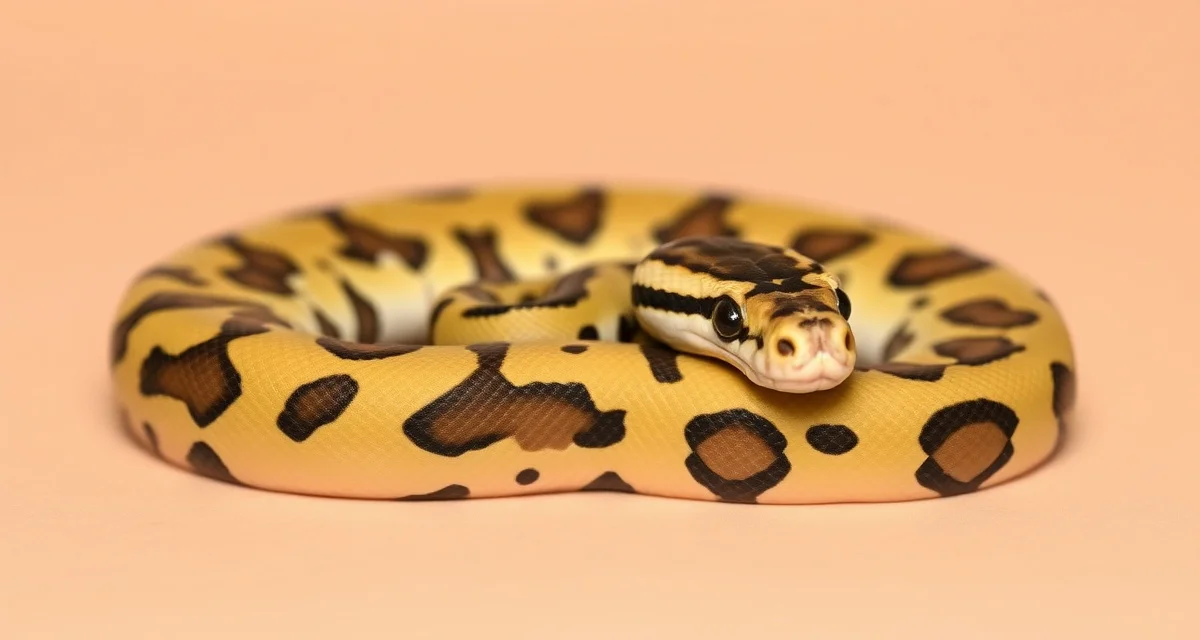
Leopard is a co-dominant morph known for its pattern disruption, irregular, spotted appearance with reduced alien-head pattern. It's less common in breeding programs than Pastel or Enchi but has a dedicated following, particularly in combination with other high-impact genes.
TL;DR
- The Leopard morph is a documented genetic variant in ball pythons with established inheritance pattern and pricing history.
- Co-dominant morphs express visually in single copy and produce a distinct super form in double copy (with exceptions like Spider where the super is non-viable).
- Recessive morphs require two copies to be visually expressed; single-copy carriers (hets) look identical to normal ball pythons.
- Documented het claims backed by parentage records are worth significantly more at resale than unverified possible-het claims.
- Market prices for any given morph are heavily influenced by production volume, demand trends, and whether the morph stacks well with high-value genes.
Leopard Genetics
Leopard is co-dominant. Single-copy animals show disrupted pattern with a spotted or irregular dorsal appearance. Super Leopard animals have extreme pattern disruption, often appearing nearly patternless or with heavily fragmented spots.
From Leopard × normal:
- 50% Leopard
- 50% normal
From Leopard × Leopard:
- 25% Super Leopard
- 50% Leopard
- 25% normal
The super form is viable and has a distinctive, collectible appearance.
Visual Identification
Leopard animals at hatch show irregular, broken pattern with a characteristic "spotty" dorsal rather than the standard ball python alien-head banding. The spots can range from large to small depending on the individual. Super Leopards show much more extensive fragmentation.
Leopard can be visually similar to certain other pattern-disruption morphs in some lighting. Documentation from known parents is the most reliable identification.
Leopard in Combos
Leopard Clown: Pattern disruption from both genes. Distinctive combination with high collector interest.
Leopard Pastel: Brightening with pattern fragmentation.
Leopard Pied: Spotted pattern sections against white Pied areas. Very attractive.
Leopard GHi: Dark, high-contrast pattern fragmentation.
Leopard Pinstripe: Two pattern-disruption genes interacting, unusual combination.
Pricing
| Animal | Typical Market Price |
|---|---|
| Leopard (male) | $100-$200 |
| Leopard (female) | $200-$400 |
| Super Leopard (male) | $250-$500 |
| Super Leopard (female) | $500-$1,000 |
| Leopard Clown (male) | $600-$1,200 |
| Leopard Clown (female) | $1,500-$3,500 |
Breeding Considerations
Leopard is less commonly produced than the major co-dominants, which means single Leopards and common Leopard combos are somewhat more novel in the market than Pastel or Enchi equivalents. This novelty supports slightly stronger pricing for single animals than pure commodity morphs.
The same combo-building strategy applies: add Leopard to het recessive animals to build toward Leopard Clown, Leopard Pied, or other premium combination goals.
Related Articles
- Banana Ball Python: Genetics, Breeding Outcomes and Pricing
- Black Magic Ball Python: Genetics, Breeding Outcomes and Pricing
- Black Pastel Ball Python: Genetics, Breeding Outcomes and Pricing
- Bumble Bee Ball Python: Genetics, Breeding Outcomes and Pricing
FAQ
What is the best approach to leopard ball python morph?
Leopard is best used for pattern-disruption combos with recessives, Leopard Clown and Leopard Pied are the most attractive market targets. Single Leopards have stronger individual value than some commodity co-dominants due to lower production volume. Super Leopard is a legitimate standalone production goal for collectors who appreciate pattern-disruption aesthetics.
How do professional breeders handle leopard ball python morph?
Professional Leopard breeders position it as a differentiation play in combo programs, Leopard-based combos look different from standard Pastel or Enchi combos, which appeals to buyers seeking unusual animals. They track Leopard alongside recessive hets to identify which animals carry both visible and hidden genetic value.
What software helps manage leopard ball python morph?
HatchLedger is purpose-built for reptile breeders, connecting animal records, breeding history, clutch outcomes, and financial tracking in one connected system. Unlike general spreadsheets or notes apps, it's designed around the specific workflow of an active breeding season -- from pairing records through hatchling inventory and sales documentation. Free for up to 20 animals.
What is Leopard Ball Python: Genetics, Breeding Outcomes and Pricing?
The Leopard ball python is a co-dominant morph characterized by disrupted patterning, irregular dorsal spotting, and a reduced alien-head appearance. Single-copy animals express the visual trait, while double-copy (Super Leopard) animals show extreme pattern fragmentation, often appearing nearly patternless. It follows predictable Mendelian inheritance, making it a reliable gene to work with in breeding programs. Though less common than Pastel or Enchi, Leopard has a dedicated following due to its striking combination potential with other high-impact morphs.
How much does Leopard Ball Python: Genetics, Breeding Outcomes and Pricing cost?
Leopard ball python pricing varies based on morph complexity, lineage documentation, and market demand. Single-copy Leopards typically sell at a modest premium over normals, while Super Leopards and multi-gene combos command higher prices. Animals with verified parentage records fetch more than those with unverified het claims. Production volume also affects pricing—less commonly produced combos hold value better. Expect to pay more for well-documented animals from reputable breeders with traceable breeding records.
How does Leopard Ball Python: Genetics, Breeding Outcomes and Pricing work?
Leopard inheritance follows co-dominant rules. Pairing a Leopard to a normal yields 50% Leopard and 50% normal offspring. Pairing two Leopards produces 25% Super Leopard, 50% Leopard, and 25% normal. Because single-copy animals are visually distinct, breeders can reliably identify and select Leopards without genetic testing. This predictability makes it straightforward to introduce Leopard into multi-gene projects, stacking it with recessive or other co-dominant genes to produce high-value combination morphs.
What are the benefits of Leopard Ball Python: Genetics, Breeding Outcomes and Pricing?
The key benefit of working with Leopard is its visual expressiveness in single copy and its strong stacking potential with other genes. Its pattern disruption creates dramatic contrast when combined with morphs like Clown, Enchi, or Albino. The existence of a viable Super form adds additional breeding project options. Documented genetics and predictable outcomes reduce uncertainty in clutch planning, and Leopard's relatively modest base pricing makes it an accessible gene to introduce into existing breeding programs.
Who needs Leopard Ball Python: Genetics, Breeding Outcomes and Pricing?
Leopard ball pythons appeal to hobbyist breeders and serious collectors interested in pattern-disruption morphs and multi-gene projects. Breeders focused on building unique combo animals benefit from Leopard's stackability and predictable co-dominant inheritance. Collectors drawn to unusual patterning—particularly the near-patternless Super Leopard—find it aesthetically distinct from more common morphs. Anyone building a breeding program around high-contrast or reduced-pattern aesthetics will find Leopard a versatile and rewarding gene to work with.
Sources
- USARK (United States Association of Reptile Keepers)
- World of Ball Pythons (WoBP genetics reference database)
- Association of Reptilian and Amphibian Veterinarians (ARAV)
- MorphMarket (reptile industry marketplace data)
- Ball Python community genetics documentation
Get Started with HatchLedger
Tracking Leopard genetics through multiple generations requires connected records that link parent morphs, clutch outcomes, and het status for every animal in your collection. HatchLedger's genetics engine handles this automatically, making buyer documentation accurate and complete. Try it free with up to 20 animals.