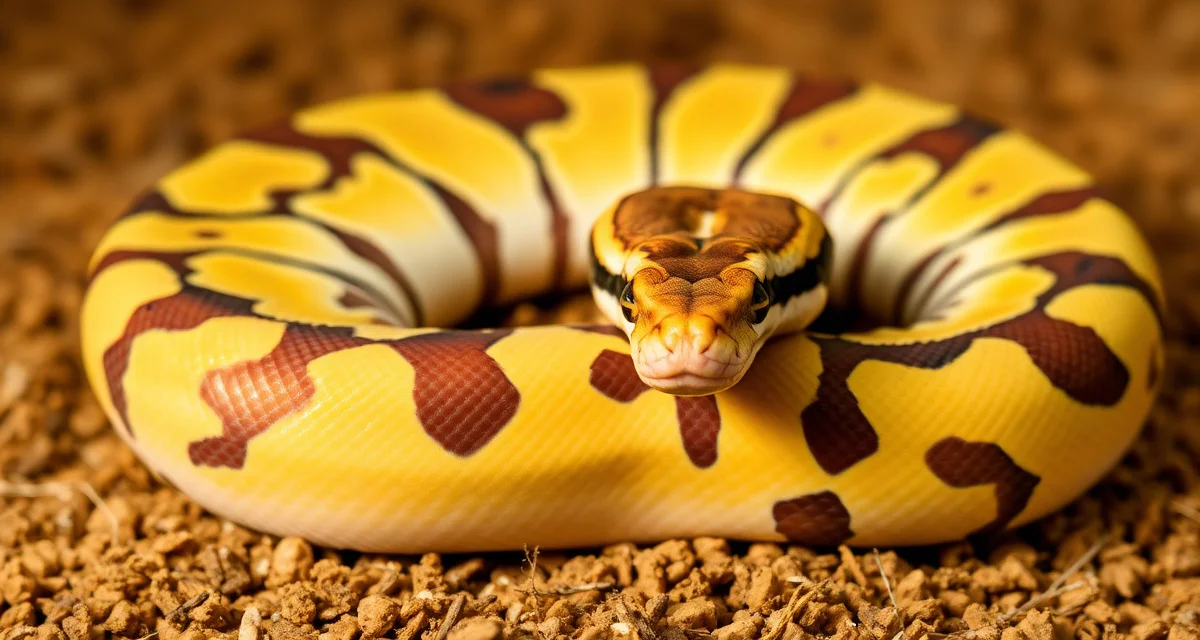
Leopard Pastel Ball Python: Breeding Odds, Pairings and Market Value
By HatchLedger Editorial Team · Published 2025-03-17 · Updated Mar 13, 2026
Leopard pastel is a combination that produces animals with a distinct head stamp and pattern character that breeders who work with it come to love. The leopard gene's pattern modification combined with pastel's brightening effect creates a high-contrast, vivid animal. And both are codominant genes, which makes pairing planning relatively straightforward compared to recessive projects.
TL;DR
- The Leopard Pastel combination requires careful planning across multiple genetic lines before visual animals can be produced.
- Recessive genes in any combination require both parents to carry the gene, making genetics guide the foundation of a successful project.
- Multi-recessive projects typically take 2-4 seasons from acquiring het stock before producing the target combination visual.
- Co-dominant genes in combinations show in single copy, allowing you to confirm the gene visually before selling or retaining animals.
- Documenting parentage for every animal in a multi-gene project is the only reliable way to maintain accurate het claims across generations.
Breeders using integrated software report 30% less time on administrative tasks, giving you more time for the hands-on work that drives clutch quality.
Why Leopard Pastel Is Worth Knowing Well
Leopard is one of those genes that a lot of breeders have dabbled with but fewer have really committed to. The super form of leopard is a dramatically pattern-reduced animal, almost alien in appearance, and when stacked with super pastel, the resulting super leopard super pastel is something genuinely unusual.
Leopard pastel projects are particularly productive when you understand the full range of what the genetics can produce. Don't just breed for visual leopard pastels. Build toward the super forms that make these projects financially interesting.
How to Breed Leopard Pastel Ball Pythons
Step 1: Know What Your Genetic Inputs Are
Leopard pastel projects work best when you know exactly what your animals carry. Both genes are codominant, so if you pair two leopard pastels together, you can produce super leopards, super pastels, super leopard super pastels, standard leopard pastels, single-gene leopards, single-gene pastels, and normals all from the same clutch.
Map this out using the ball python morph calculator before you commit to any pairing.
Step 2: Target the High-Value Combinations
The most valuable animals in leopard pastel projects are:
- Super Leopard Pastel (dramatically pattern-reduced)
- Super Leopard (vivid head stamp, nearly patternless)
- Super Pastel (bright yellow, high-contrast)
- Super Leopard Super Pastel (the extreme end of the expression)
Pairing leopard pastel x leopard pastel gives you access to all of these in the same clutch, but your odds of any one specific combo are spread across many outcomes. Decide which animals you're optimizing for.
Step 3: Condition Your Breeders
Standard ball python conditioning: females to 1,500g+, heavy feeding through summer and fall, temperature drop initiated in October or November. Leopard and pastel animals are reliable feeders with no unusual requirements.
Log every weight and feeding through the conditioning window. This documentation supports sales conversations.
Step 4: Pair and Track Locks
Evening introductions. Log every introduction and lock. With codominant x codominant projects, pairing records are simpler than recessive projects but still needed. Reintroduce males weekly through breeding season.
Step 5: Track Ovulation
Log ovulation immediately. Pre-lay shed at 30 days. Egg laying at 16-18 days post-shed. Your logged ovulation date anchors the hatch window.
Step 6: Incubate
Eggs at 88-90°F, high humidity. Average clutch: 4-8 eggs. Mark containers. Hatch window: 54-60 days.
Step 7: Identify Hatchlings
Leopard pastel hatchlings require attention to identify correctly. Leopard animals have a distinctive head stamp pattern. Pastels are brighter. Super forms look dramatically different from single-gene animals.
Compare against known reference animals. Sex everything before pricing. Females carry a consistent premium.
What Leopard Pastel Ball Pythons Sell For
| Animal | Typical Range |
|--------|--------------|
| Pastel | $60 - $120 |
| Leopard | $100 - $200 |
| Leopard Pastel | $150 - $300 |
| Super Leopard | $300 - $600 |
| Super Pastel | $150 - $350 |
| Super Leopard Pastel | $500 - $900+ |
| Super Leopard Super Pastel | $800 - $1,500+ |
| Females | Premium +30-50% |
The super forms are where this project's financial justification lives. A clutch with good super form representation can be highly profitable.
Common Mistakes in Leopard Pastel Projects
Not identifying super forms correctly. Super leopards and super leopard pastels look dramatically different. Make sure you're identifying them accurately before pricing.
Pairing without targeting super forms. If you're only pairing leopard pastel to pastel (single-gene), you're missing the super form possibilities. Pairing leopard pastel to leopard pastel accesses the full value range.
Underpricing singles from multi-gene clutches. Standard pastel and leopard animals from a leopard pastel x leopard pastel pairing should still be priced accurately. Don't discount them as byproducts.
Not tracking per-clutch financials. The ball python breeding hub explains why knowing your clutch-level costs changes how you evaluate repeat pairings.
What is the best approach to leopard pastel ball python?
The best approach is to pair leopard pastel animals together to access the full range of super form possibilities, then identify and price each animal accurately. Know your target animals going in, whether that's super leopard pastels or super leopard super pastels, and build your production strategy around maximizing those outcomes.
How do professional breeders handle leopard pastel ball python?
Professional breeders working leopard pastel projects identify super forms accurately (which requires good reference animals and practice), price based on visual phenotype and sex rather than genetic theory, and track which pairings produce the best representation of high-value super form animals. They repeat the pairings that work and adjust the ones that don't.
What software helps manage leopard pastel ball python?
HatchLedger connects husbandry logs to clutch P&L tracking, so you can see which leopard pastel pairings return the best margins. When you're running multiple codominant projects simultaneously, integrated data is what keeps your operation organized and financially transparent.
Related Articles
- Black Pastel Pied Ball Python: Breeding Odds, Pairings and Market Value
- Cinnamon Pastel Ball Python: Breeding Odds, Pairings and Market Value
FAQ
What is Leopard Pastel Ball Python: Breeding Odds, Pairings and Market Value?
Leopard Pastel is a two-gene ball python combination pairing the Leopard codominant gene with Pastel. Together they produce animals with a distinctive head stamp, high-contrast pattern, and vivid brightened coloration. Because both genes are codominant, visual animals can be produced in the first generation, making this a relatively accessible combination for breeders looking to add visible genetic markers to their projects.
How much does Leopard Pastel Ball Python: Breeding Odds, Pairings and Market Value cost?
Leopard Pastel ball pythons typically range from $150–$600 depending on sex, lineage, and additional genes. Base Leopard Pastels sit at the lower end, while animals carrying recessive hets or stacked with a third gene command premium prices. Females consistently sell for more than males. Market value shifts with breeder supply, so checking current listings on MorphMarket gives the most accurate real-time pricing.
How does Leopard Pastel Ball Python: Breeding Odds, Pairings and Market Value work?
Both Leopard and Pastel are codominant genes, meaning a single copy of each is enough to express the visual trait. When you pair a Leopard to a Pastel, offspring statistically land in four categories: normal, Leopard, Pastel, and Leopard Pastel. Each combo animal carries one copy of both genes. The interaction brightens base coloration while Leopard's pattern modification adds the signature head stamp.
What are the benefits of Leopard Pastel Ball Python: Breeding Odds, Pairings and Market Value?
Working with Leopard Pastel gives breeders a visually confirmed combo that produces saleable animals in generation one. Codominance eliminates the guesswork of het-tracking required by recessive projects. The combination also serves as an excellent foundation for multi-gene builds, since both genes stack cleanly with recessives like albino or clown, increasing project value and buyer interest without adding generational delay.
Who needs Leopard Pastel Ball Python: Breeding Odds, Pairings and Market Value?
Leopard Pastel suits intermediate to advanced ball python breeders who want a visually striking codominant combo with straightforward Mendelian ratios. It appeals to those building toward multi-gene projects or running a small commercial breeding program. Collectors focused on pattern-heavy morphs will also find value here. Beginners comfortable with basic genetics and clutch care can succeed with this combination given proper pairing planning.
How long does Leopard Pastel Ball Python: Breeding Odds, Pairings and Market Value take?
Because both genes are codominant, you can produce visual Leopard Pastels in your first breeding season if you already hold both genes. Pairing a Leopard to a Pastel gives roughly 25% Leopard Pastels per clutch on average. Adding recessive genes to the project extends the timeline to 2–4 seasons. Incubation runs 55–60 days, and hatchlings are typically ready to sell at 6–8 weeks post-hatch.
What should I look for when choosing Leopard Pastel Ball Python: Breeding Odds, Pairings and Market Value?
When selecting Leopard Pastel animals, prioritize verified parentage documentation and clean feeding records. Look for strong contrast between the brightened background and dark pattern elements, a well-defined head stamp, and no signs of neurological issues sometimes associated with the Leopard gene in super form. Buy from breeders who genotype and track genetics through dedicated software or detailed records, and confirm whether the animal carries any additional het claims.
Is Leopard Pastel Ball Python: Breeding Odds, Pairings and Market Value worth it?
Yes, Leopard Pastel is worth pursuing for breeders who value a visually distinctive codominant combo with flexible project potential. It produces attractive animals that sell reliably, builds toward higher-value multi-gene combinations, and doesn't require the long recessive holding periods of projects like clown or pied. The main cost is acquiring quality founder animals. If you document genetics carefully and plan pairings deliberately, the return on investment is solid.
Sources
- USARK (United States Association of Reptile Keepers)
- Association of Reptilian and Amphibian Veterinarians (ARAV)
- MorphMarket (reptile industry market reference)
- World of Ball Pythons (WoBP genetics reference database)
- Reptiles Magazine (Bowtie Inc.)
Start Tracking Your Leopard Pastel Project
Get Started with HatchLedger
Building a Leopard Pastel project across multiple seasons means tracking genetics, parentage, and clutch outcomes that compound in complexity year over year. HatchLedger connects all of that data in one system so your project documentation stays accurate from first pairing through final sale. Try it free with up to 20 animals.