Od Pastel Ball Python: Breeding Odds, Pairings and Market Value
By HatchLedger Editorial Team · Published 2025-03-25 · Updated Mar 13, 2026
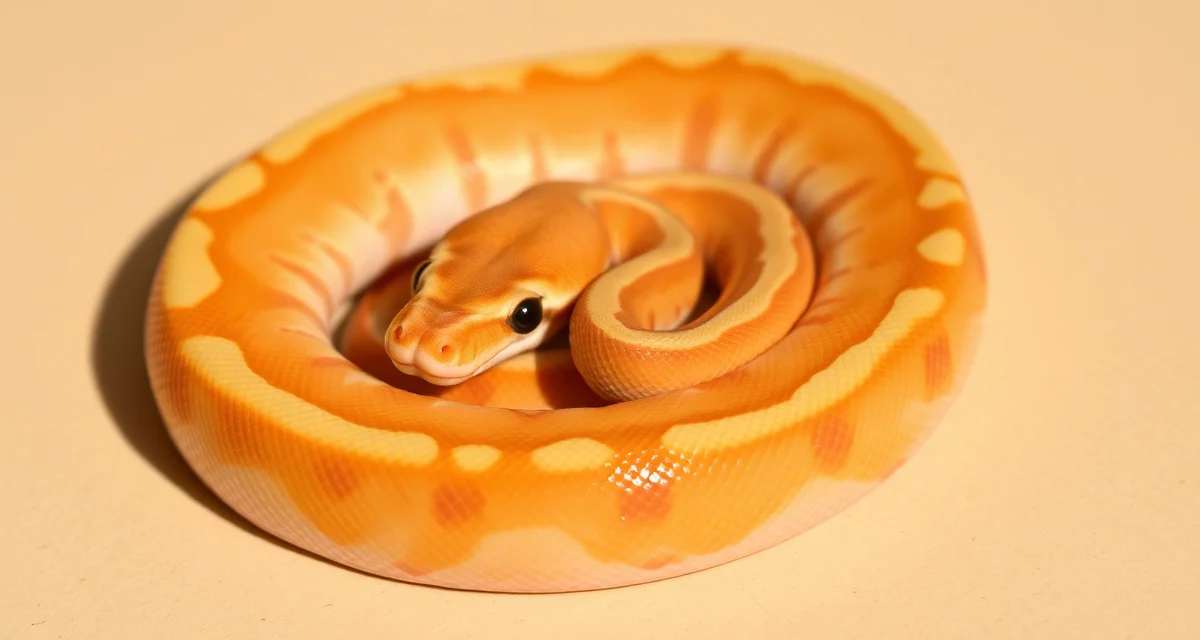
The OD pastel (Orange Dream pastel) is a combination that gets underestimated by breeders who haven't worked with Orange Dream closely. OD brings a warm, orange-tinged coloration and pattern modification that, when combined with pastel's brightening effect, produces something more complex and interesting than either gene on its own. The warm tones and clean pattern expression make these animals photograph well and sell consistently.
TL;DR
- The Od Pastel combination requires careful planning across multiple genetic lines before visual animals can be produced.
- Recessive genes in any combination require both parents to carry the gene, making genetics guide the foundation of a successful project.
- Multi-recessive projects typically take 2-4 seasons from acquiring het stock before producing the target combination visual.
- Co-dominant genes in combinations show in single copy, allowing you to confirm the gene visually before selling or retaining animals.
- Documenting parentage for every animal in a multi-gene project is the only reliable way to maintain accurate het claims across generations.
Breeders using integrated software report 30% less time on administrative tasks, time that's better invested in the care and observation that makes good breeding programs.
What Orange Dream Actually Does
Orange Dream is a codominant gene that produces a warm, orange-toned base color with a characteristic pattern modification. The super form, Super Orange Dream, is a dramatically different animal, heavily reduced pattern, strong orange/red coloration. When stacked with pastel, the brightening and warming effects compound.
The key thing to understand is that Orange Dream's visual effect varies considerably depending on what other genes it's stacked with. In isolation it's nice. With pastel, it's more compelling. With additional pattern-reducing genes, it gets genuinely interesting.
How to Breed OD Pastel Ball Pythons
Step 1: Map Your Project Goals
OD pastel works both as a standalone marketable combo and as a building block for more complex projects. Decide which role it's playing before you pair anything.
If you're building toward OD pastel clown, OD pastel pied, or similar multi-gene targets, your pairing choices look different than if you're producing OD pastel animals to sell.
Use the ball python morph calculator to model your specific pairings.
Step 2: Understand the Super Forms
Super OD pastel (Super Orange Dream + super pastel) is a dramatically bright, pattern-reduced animal. Pairing OD pastel to OD pastel gives you access to super OD, super pastel, and the full super OD super pastel in the clutch. Plan for these outcomes.
No lethal super forms involved here, both genes have viable, healthy super forms.
Step 3: Condition Your Breeders
Females to 1,500g+. Feed heavily through summer and fall. Cooling initiated in October or November. OD and pastel animals are reliable feeders with standard conditioning requirements.
Log every weight and feeding. Conditioning records support confident sales conversations.
Step 4: Introduce and Track Pairings
Evening introductions. Log every introduction and lock. Reintroduce males weekly through November and December. OD males are typically good breeders.
Step 5: Track Ovulation
Log ovulation immediately. Mid-body swelling is your anchor point. Pre-lay shed at 30 days, egg laying at 16-18 days post-shed. Don't guess, log and know.
Step 6: Incubate
Eggs at 88-90°F, high humidity. Average clutch: 4-8 eggs. Mark containers. Hatch window: 54-60 days.
Step 7: Identify and Process Hatchlings
OD pastel hatchlings can be identified by the warm orange tones and pattern modification. Super forms look dramatically different and should be identified carefully against reference animals.
Sex everything before pricing. OD pastel females with het load from recessive projects command serious premiums.
What OD Pastel Ball Pythons Sell For
| Animal | Typical Range |
|--------|--------------|
| Orange Dream | $80 - $180 |
| Pastel | $60 - $120 |
| OD Pastel | $150 - $350 |
| Super OD | $300 - $600 |
| Super Pastel | $150 - $350 |
| Super OD Pastel | $500 - $900+ |
| Females | Premium +30-50% |
OD pastel sits at a good accessible price point for buyers while generating reasonable margins when produced efficiently. Super forms push the value up notably.
Common Mistakes in OD Pastel Projects
Not identifying super OD correctly. Super Orange Dream looks dramatically different from single-gene OD. Compare against known reference animals.
Producing without a destination for het animals. If your OD pastel project also involves recessive genes, the het animals in the clutch need buyers. Know your market.
Treating OD pastel as an endpoint. It works well as a stepping stone to more complex combos. Think about where these animals go in future breeding seasons.
Skipping clutch cost tracking. The ball python breeding hub explains how per-clutch financial tracking changes which pairings you decide to repeat.
What is the best approach to od pastel ball python?
Use OD pastel intentionally, either as a high-volume, accessible product for steady sales, or as a building block in more complex projects. The super form potential from OD pastel x OD pastel pairings provides the best per-clutch value. Always know which animals in the clutch carry het recessive genes so you can price them correctly.
How do professional breeders handle od pastel ball python?
Professional breeders identify super forms accurately, price based on complete genetic value rather than just visual phenotype, and track which OD pastel pairings produce the best financial returns. They use OD pastel as a deliberate component in their program, not just because the animals are available, but because they have a specific plan for what these animals contribute.
What software helps manage od pastel ball python?
HatchLedger gives breeders integrated breeding logs and clutch financial tracking in one place. For projects like OD pastel where per-animal margins are moderate, knowing your exact production costs is how you price to be profitable rather than just busy.
Related Articles
- Black Pastel Pied Ball Python: Breeding Odds, Pairings and Market Value
- Cinnamon Pastel Ball Python: Breeding Odds, Pairings and Market Value
FAQ
What is Od Pastel Ball Python: Breeding Odds, Pairings and Market Value?
The Od Pastel Ball Python is a combination morph pairing Orange Dream (OD), a codominant gene that adds warm orange tones and pattern modification, with Pastel, which brightens and enhances coloration. Together they produce animals with richer, more complex visual expression than either gene alone. The combination photographs well and sells consistently in the ball python market, making it a practical choice for breeders looking to produce appealing animals without committing to expensive or rare recessive projects.
How much does Od Pastel Ball Python: Breeding Odds, Pairings and Market Value cost?
Od Pastel Ball Pythons typically range from $75 to $250 depending on sex, lineage, and visual quality. Females command higher prices due to breeding potential. Animals from proven, well-documented pairings with clean het claims carry a premium. As both Orange Dream and Pastel are common codominant genes, the combination remains accessible, though adding recessive genes to the project will significantly increase the cost of foundational breeding stock.
How does Od Pastel Ball Python: Breeding Odds, Pairings and Market Value work?
Orange Dream is codominant, meaning one copy visually alters coloration toward warmer orange tones with pattern modification. Pastel is also codominant and brightens base coloration. When combined, both genes express simultaneously in a single animal, producing enhanced orange warmth and cleaner pattern contrast. Neither gene requires two copies to show visually, so breeders can confirm both genes in animals before using them in a project, simplifying the breeding selection process.
What are the benefits of Od Pastel Ball Python: Breeding Odds, Pairings and Market Value?
The Od Pastel combination offers breeders a visually striking animal that is relatively straightforward to produce. Both genes are codominant, so visual confirmation is possible without test breeding. The warm tones and clean pattern expression make these animals photograph well for online sales. The combination also serves as a strong foundation for adding recessive genes, giving breeders flexibility to expand projects over multiple seasons without starting from scratch.
Who needs Od Pastel Ball Python: Breeding Odds, Pairings and Market Value?
This combination suits beginner to intermediate ball python breeders who want to work with codominant genes before committing to recessive projects. Hobbyists building a small breeding program benefit from the accessible price point and visual confirmation of both genes. Experienced breeders use Od Pastel animals as building blocks in larger multi-gene projects. Anyone focused on producing marketable animals at a consistent price point will find this combination a reliable part of their lineup.
How long does Od Pastel Ball Python: Breeding Odds, Pairings and Market Value take?
Producing your first Od Pastel animals is achievable within one breeding season if you already own or acquire an OD Pastel animal to pair with a compatible morph. If building from single-gene animals, expect one season to produce the combination. Multi-generation projects adding recessive genes typically require 2 to 4 seasons from acquiring het stock. Ball python incubation runs approximately 55 to 60 days, and clutch sizes average 4 to 8 eggs.
What should I look for when choosing Od Pastel Ball Python: Breeding Odds, Pairings and Market Value?
When selecting Od Pastel animals for breeding, prioritize documented parentage and clear het claims if recessives are involved. Look for strong orange expression in the Orange Dream influence and bright, clean pattern in the Pastel. Females should be at or above minimum breeding weight, typically 1,500 grams. Buy from breeders who maintain detailed records, as undocumented het claims carry real genetic risk. Visual quality and feeding consistency matter as much as genetics when evaluating individual animals.
Is Od Pastel Ball Python: Breeding Odds, Pairings and Market Value worth it?
For breeders who enjoy working with warm-toned morphs and want a combination that sells predictably, Od Pastel is worth pursuing. Both genes are affordable, visually confirmable, and widely understood in the market. The combination produces animals that appeal to buyers at multiple price points and serves as a practical foundation for more complex projects. If your goal is consistent production with manageable overhead and clear visual results, Od Pastel delivers solid returns on a modest investment.
Sources
- USARK (United States Association of Reptile Keepers)
- Association of Reptilian and Amphibian Veterinarians (ARAV)
- MorphMarket (reptile industry market reference)
- World of Ball Pythons (WoBP genetics reference database)
- Reptiles Magazine (Bowtie Inc.)
Track Your OD Pastel Project in HatchLedger
Get Started with HatchLedger
Building a Od Pastel project across multiple seasons means tracking genetics, parentage, and clutch outcomes that compound in complexity year over year. HatchLedger connects all of that data in one system so your project documentation stays accurate from first pairing through final sale. Try it free with up to 20 animals.