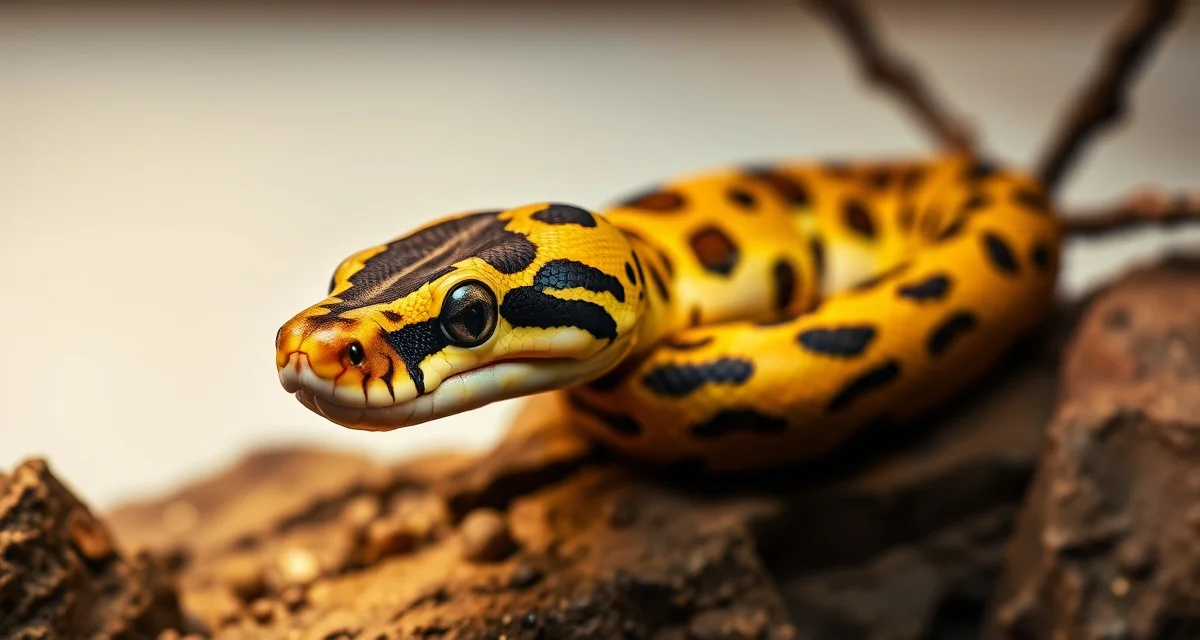
Leopard Ball Python Breeding Pairs: All Possible Outcomes
By HatchLedger Editorial Team · Published 2025-06-24 · Updated Mar 13, 2026
Leopard is a co-dominant morph that produces distinctive head pattern alteration and color changes. It's part of a complex that includes Spotnose, and understanding how these genes interact opens up interesting project possibilities.
TL;DR
- All pairing outcomes for Leopard can be calculated before putting animals together by understanding the morph's inheritance pattern.
- Recessive genes require het x het pairings to produce visuals, with expected 25% visual odds per clutch.
- Co-dominant pairings with normal animals produce 50% co-dominant offspring; co-dominant x co-dominant produces 25% super form.
- Documenting each animal's confirmed genetic status is what makes het claims valuable to buyers in subsequent generations.
- Using a morph calculator before the season helps set realistic expectations for the number of target animals likely from each clutch.
Leopard Genetics Overview
Leopard is a co-dominant mutation known primarily for producing altered head patterning, often described as a "banded" head appearance rather than the normal ball python head pattern. Single-copy Leopards show this head change plus some body patterning alteration. The super form produces more dramatic changes.
Leopard is in the same complex as Spotnose. Leopard x Spotnose pairings produce distinctive super-form animals. Understanding this complex interaction is key to working with Leopard strategically.
Leopard x Normal Pairings
- 50% Leopard
- 50% Normal
Standard co-dominant outcome. The head patterning change in Leopards is visible from hatching.
Leopard x Leopard Pairings (Super Leopard)
- 25% Super Leopard
- 50% Leopard
- 25% Normal
Super Leopards show more pronounced head and body patterning changes than single-copy animals.
Leopard x Spotnose Interactions
Leopard and Spotnose are in the same complex. Their interaction produces the Powerball:
Leopard x Spotnose
- 25% Powerball (Leopard/Spotnose super)
- 25% Leopard
- 25% Spotnose
- 25% Normal
The Powerball is a distinctive animal with unique pattern expression from the complex interaction. This combination-specific outcome is a selling point for having both genes in your collection.
Leopard Combination Animals
Leopard x Pastel: Enhances color and brightens the Leopard's base for a more vibrant animal.
Leopard x Enchi: Pattern reduction and altered head pattern from Leopard combine for clean-looking animals.
Leopard x GHI: Dark GHI tones with Leopard's head patterning create bold animals.
Leopard x Clown (both het Clown): Leopard Clowns are visually distinct from standard Clowns due to the added head patterning influence.
Leopard x Banana: Vibrant and clean, with Banana's orange-yellow enhanced by Leopard's patterning changes.
Market for Leopard Animals
Single-gene Leopards are modestly priced, similar to other single-gene co-dominants. Their value multiplies in combination. Powerball animals from Leopard x Spotnose pairings have a specific niche following. If you're building a Leopard project, include Spotnose to capture the Powerball market.
Tracking Leopard Projects
If you're working with both Leopard and Spotnose in your collection, tracking which animals carry which gene is important for avoiding accidental Powerball-producing pairings when you don't want them, and for planning them intentionally when you do.
Document all Leopard genetics in HatchLedger. The ball python morph calculator shows expected Powerball outcomes from Leopard x Spotnose pairings alongside standard Leopard combination results.
Frequently Asked Questions
What are the possible outcomes from Leopard ball python breeding pairs?
Leopard x Normal produces 50% Leopard and 50% Normal. Leopard x Leopard produces 25% Super Leopard, 50% Leopard, and 25% Normal. Leopard x Spotnose produces 25% Powerball (complex super), 25% Leopard, 25% Spotnose, and 25% Normal.
How do professional breeders use Leopard in their ball python programs?
They build toward the Powerball combination with Spotnose and use Leopard as a head-pattern enhancer in multi-gene combinations, tracking which animals carry Leopard versus Spotnose to plan pairings accurately.
What software helps manage Leopard ball python pairing records?
HatchLedger is purpose-built for reptile breeders, connecting animal records, breeding history, clutch outcomes, and financial tracking in one system. Unlike generic spreadsheets, it's designed around the specific workflow of an active breeding season. Free for up to 20 animals.
What is the fastest pairing route to produce visual Leopard ball pythons?
The fastest route depends on what stock you already have. If you have a visual Leopard, pairing it with a het (or a normal for co-dominant genes) produces visuals immediately. If you are starting from hets, a het x het pairing gives 25% visual odds per clutch. Building het stock first from a visual x normal pairing before running het x het is slower but produces cleaner, more documentable genetics.
How should possible het Leopard animals be priced?
Possible het animals are priced as a percentage of confirmed het pricing, proportional to their probability. A 66% possible het from a het x het pairing typically prices at 40-60% of confirmed het value. Animals that have been proven by producing visual offspring upgrade to confirmed het status and can command full het pricing in subsequent sales.
What is Leopard Ball Python Breeding Pairs: All Possible Outcomes?
Leopard Ball Python Breeding Pairs: All Possible Outcomes is a comprehensive breeding reference guide on HatchLedger covering every genetic pairing combination involving the Leopard co-dominant morph. It details expected offspring ratios, how Leopard interacts with other morphs including its Spotnose complex relationship, and what visual outcomes breeders can anticipate from each pairing. The guide is designed to help reptile breeders plan projects with confidence before the breeding season begins.
How much does Leopard Ball Python Breeding Pairs: All Possible Outcomes cost?
This article is free to read on HatchLedger. There is no cost to access the pairing outcomes, genetic breakdowns, or morph calculator references provided in the guide. HatchLedger offers this breeding information as an educational resource for the ball python community, helping breeders of all experience levels understand morph genetics without needing to purchase specialized software or paid subscriptions.
How does Leopard Ball Python Breeding Pairs: All Possible Outcomes work?
The guide works by breaking down Leopard's co-dominant inheritance pattern and mapping it against common pairing scenarios. Since Leopard follows predictable Mendelian ratios, each pairing produces calculable outcomes: Leopard x normal yields 50% Leopard offspring, while Leopard x Leopard produces 25% super Leopards. The guide also covers complex pairings involving recessive genes and Spotnose interactions, giving breeders expected percentages for every category of offspring per clutch.
What are the benefits of Leopard Ball Python Breeding Pairs: All Possible Outcomes?
Using this guide helps breeders set realistic expectations before pairing animals, avoiding wasted breeding seasons or surprises at hatching. It clarifies the Leopard-Spotnose complex relationship, which is commonly misunderstood. Breeders also learn how to document genetic lineage accurately, making het claims credible to future buyers. For multi-gene projects, knowing expected ratios helps breeders estimate how many clutches are needed to reliably produce a target animal.
Who needs Leopard Ball Python Breeding Pairs: All Possible Outcomes?
This guide is ideal for ball python breeders working with Leopard or planning to add it to existing projects. It suits beginners learning co-dominant genetics for the first time as well as experienced breeders building multi-gene combinations. Anyone purchasing or selling Leopard-related animals will also benefit from understanding how to evaluate and communicate genetic status and het claims accurately within the hobby.
How long does Leopard Ball Python Breeding Pairs: All Possible Outcomes take?
Reading the guide takes roughly five to ten minutes. Applying the outcomes to your actual breeding season is an ongoing process that spans the full cycle: pairing in late fall or winter, incubating eggs for approximately 55 to 60 days, and identifying hatchlings at emergence. Using the pairing data before the season starts means breeders spend less time recalculating mid-season and can plan pairings and expected inventory well in advance.
Related Articles
- Banana Ball Python Breeding Pairs: All Possible Outcomes
- Black Magic Ball Python Breeding Pairs: All Possible Outcomes
Sources
- World of Ball Pythons (WoBP genetics reference database)
- USARK (United States Association of Reptile Keepers)
- Association of Reptilian and Amphibian Veterinarians (ARAV)
- MorphMarket (reptile industry marketplace and pricing data)
- Ball Python community breeding records
Get Started with HatchLedger
Tracking Leopard pairing outcomes, het status, and proving records across multiple seasons is where most breeders run into documentation gaps. HatchLedger connects each animal's genetic record to its clutch of origin and parent history, so your het claims are always backed by traceable data. Try it free with up to 20 animals.